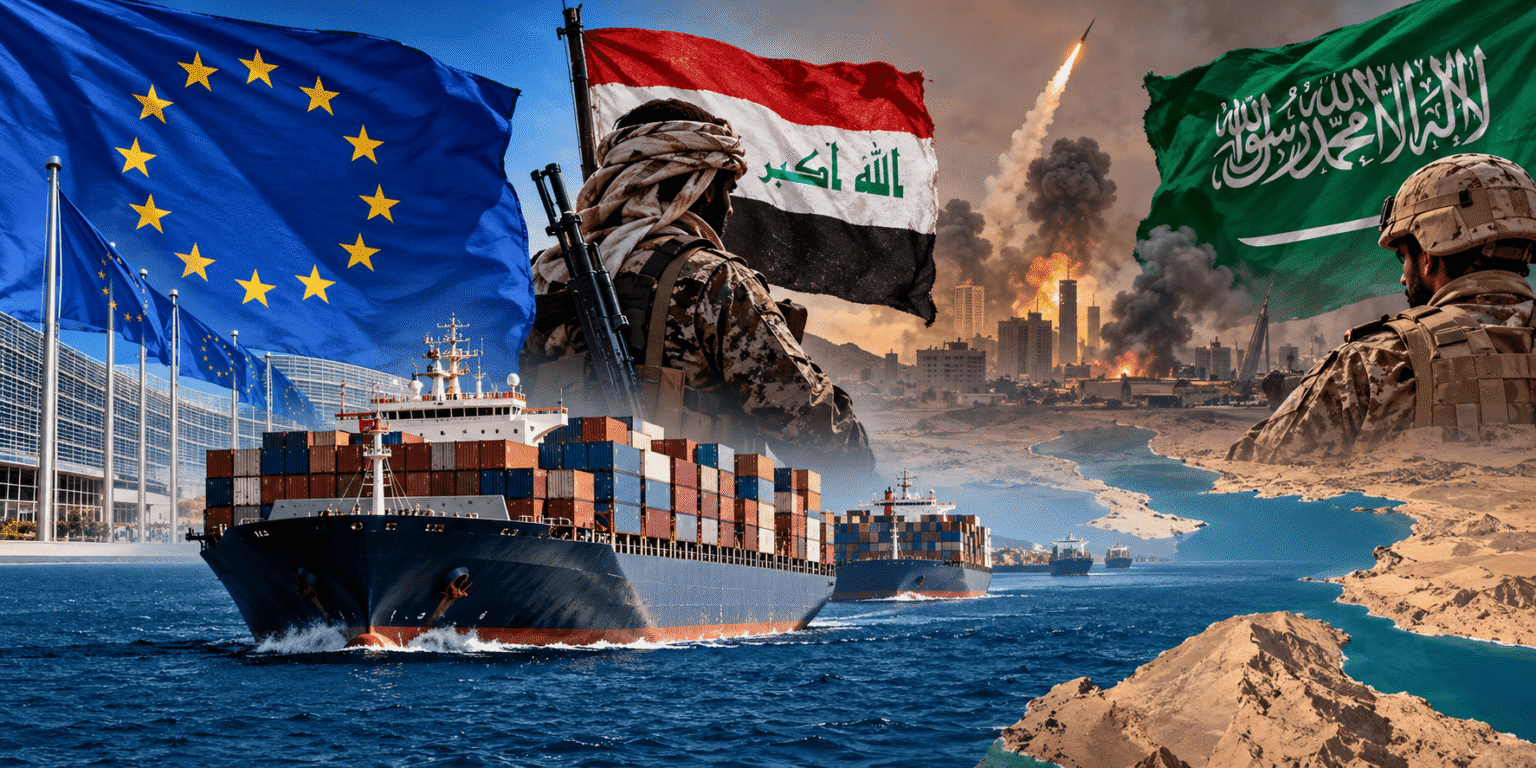
Doha, QA/Prague, CZ: The Houthi movement’s reported assurance to the European Union that European commercial vessels will not be targeted in the Red Sea represents a potentially important diplomatic development amid growing uncertainty over maritime security in the Middle East.
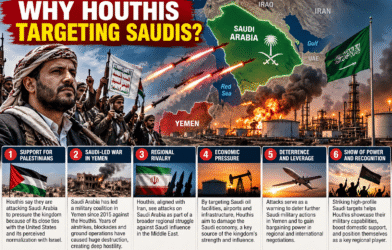
However, beyond its immediate implications for European shipping, the announcement reflects a broader strategic calculation by an armed movement seeking to preserve military leverage while limiting the international consequences of its confrontation with Saudi Arabia.
According to reporting by Kurdistan24, citing the Financial Times, the Houthis communicated their position to European officials in September, maintaining that their military operations along Yemen’s Red Sea coastline were not intended to disrupt international commercial navigation.
The communication came amid heightened tensions involving Saudi Arabia and continuing concerns about the security of the Bab el-Mandeb Strait, a vital passage connecting the Red Sea to the Gulf of Aden and the Indian Ocean.
The timing of the assurance is particularly significant. Rather than emerging from a comprehensive ceasefire or internationally negotiated maritime security arrangement, it comes against a backdrop of continuing military confrontation, competing regional interests, and uncertainty over the Houthis’ future intentions.
For European governments, the statement may offer an opportunity to reduce risks to commercial shipping. Yet it also presents a fundamental diplomatic challenge: whether selective security assurances from a non-state armed movement can provide a reliable foundation for protecting international maritime commerce.
Why the Houthis are seeking to reassure Europe
The Houthi initiative appears to reflect several overlapping political and military considerations. Foremost among them is the movement’s interest in preventing its confrontation with Saudi Arabia from developing into a wider conflict involving European powers.
The Houthis possess significant asymmetric military capabilities, including drones, missiles, and systems capable of threatening maritime traffic. These capabilities provide considerable leverage against technologically superior adversaries, but they do not eliminate the movement’s vulnerability to sustained international military pressure.
A simultaneous confrontation with Saudi Arabia, the United States, and European naval forces could impose substantial costs on Houthi-controlled territory and military infrastructure. Reassuring European governments may therefore be intended to discourage their direct participation in offensive operations while preserving space for diplomatic engagement.
The initiative also suggests an effort to distinguish European commercial interests from those of Saudi Arabia and other regional adversaries. By presenting European vessels as outside the scope of its military campaign, the movement may hope to reduce the likelihood of a unified international response.
Such differentiation is not unprecedented in regional conflicts, where armed movements frequently attempt to separate the interests of external powers to limit diplomatic isolation.
Nevertheless, the effectiveness of this approach depends on whether the Houthis can translate political assurances into consistent operational restraint.
The Red Sea’s strategic importance to Europe and Asia
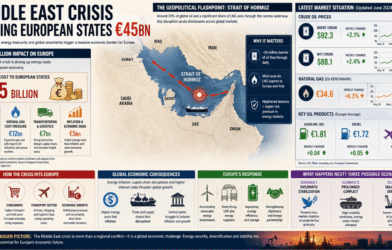
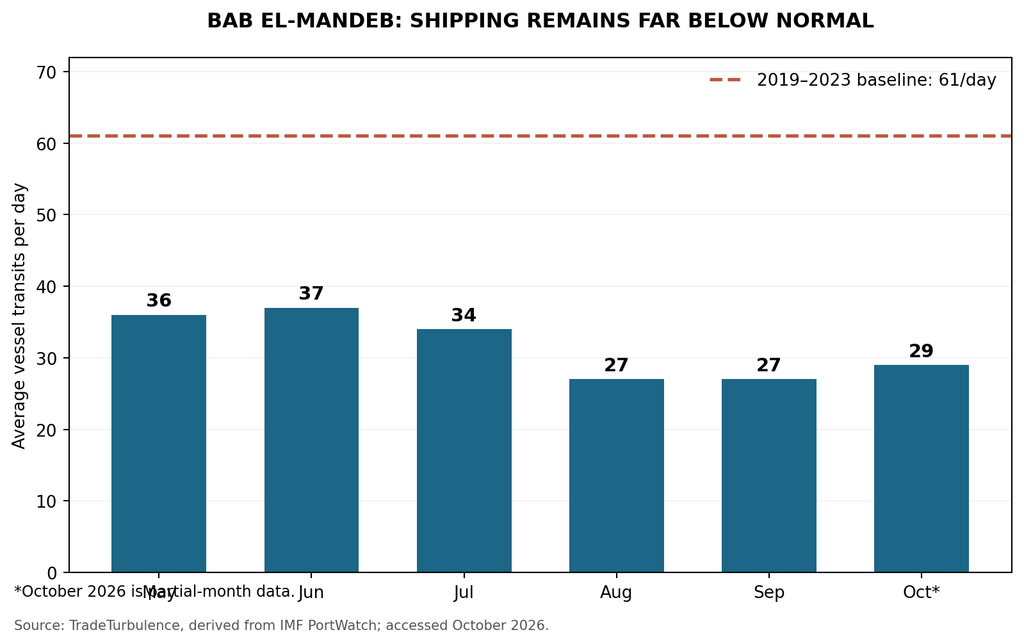
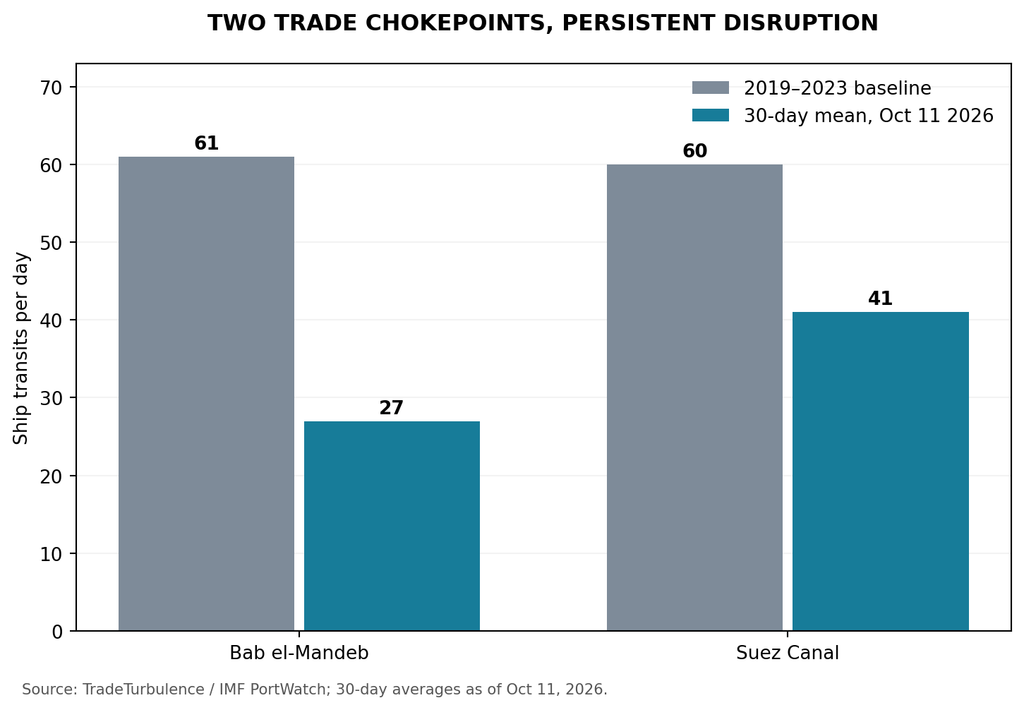
The Red Sea is not merely a regional maritime corridor. It is an essential component of the global trading system, connecting Asian manufacturing centers, Middle Eastern energy producers, and European markets through the Bab el-Mandeb Strait and Suez Canal.
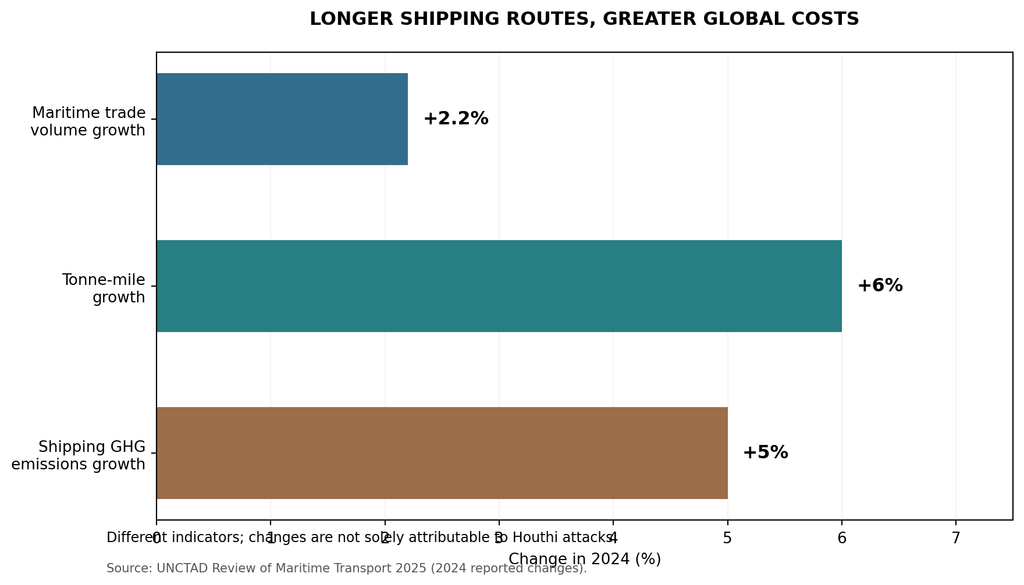
Under normal trading conditions, the Suez route provides one of the shortest maritime connections between Europe and Asia. Disruption forces commercial operators to consider longer journeys around Africa’s Cape of Good Hope, increasing transportation costs, fuel consumption, insurance expenses, and delivery times.
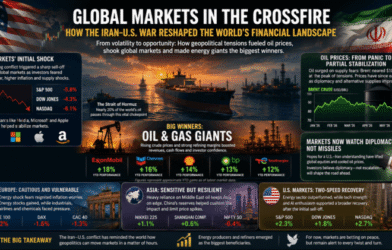
The economic consequences extend beyond shipping companies. European manufacturers depend on reliable imports of industrial components, electronics, machinery, textiles, and other intermediate goods from Asian suppliers. Delays can affect production schedules, inventory management, and consumer prices.
Similarly, Asian exporters rely on predictable maritime access to European markets. Prolonged disruption increases logistical uncertainty and can weaken competitiveness, particularly for industries operating on narrow profit margins.
The Red Sea also carries strategic importance for energy transportation. Oil and refined petroleum products moving between the Middle East, Europe, and other international markets remain vulnerable to regional instability.
The significance of Houthi assurances must therefore be understood within this broader economic context. Even a limited reduction in maritime risk could improve commercial confidence, but meaningful recovery requires sustained security rather than temporary political commitments.
Europe’s dilemma: Engagement without compromising maritime principles
For the European Union, the Houthi message creates a difficult balance between pragmatic diplomacy and the defense of international maritime law.
European governments have a legitimate interest in exploring any credible opportunity to reduce threats against civilian commercial shipping. At the same time, accepting guarantees that apply only to vessels associated with particular countries could weaken the principle of freedom of navigation.
International maritime commerce operates through complex ownership, registration, financing, and chartering arrangements. A vessel flying a European flag may carry Saudi petroleum, while a ship registered in Asia may transport goods belonging to European corporations.
This raises an important practical question: how would the Houthis determine which vessels qualify for protection?
Without a transparent definition of European commercial shipping, selective assurances could generate uncertainty rather than eliminate it.
The European Union’s defensive naval mission, Operation ASPIDES, reflects its continuing commitment to protecting commercial navigation in the Red Sea and surrounding waters. Its purpose is to help safeguard shipping against attacks while avoiding an unnecessary expansion of regional hostilities.
The reported Houthi communication does not remove the rationale for such a mission. Instead, it creates an opportunity for European diplomacy to seek broader commitments covering all civilian commercial vessels, regardless of nationality or destination.
Brussels must also consider the consequences of appearing to accept a maritime security arrangement that excludes Saudi-linked commercial traffic.
A selective understanding could improve the position of certain European shipping operators while leaving the wider maritime environment unstable.
Saudi Arabia’s security concerns remain unresolved
From Riyadh’s perspective, the Houthi assurance to Europe does not address the central security challenges arising from the conflict.
Saudi Arabia has repeatedly expressed concern over Houthi military capabilities and attacks threatening its territory, infrastructure, and economic interests. The kingdom’s strategic vulnerability is particularly pronounced because of the importance of energy facilities, ports, airports, and transportation networks to its economy.
The continuing confrontation also threatens Saudi Arabia’s broader economic transformation objectives, including its efforts to attract foreign investment, expand tourism, and develop logistics infrastructure.
Even when attacks cause limited physical damage, the perception of persistent insecurity can affect investor confidence and increase the cost of protecting strategic assets.
The Houthis, meanwhile, appear determined to retain military pressure as an instrument of negotiation. Their willingness to offer assurances to European governments does not necessarily indicate a comparable willingness to reduce confrontation with Saudi Arabia.
This creates the possibility of a divided security environment in which some international commercial interests receive political guarantees while others remain exposed to military threats.
Such an arrangement would be difficult to sustain over the long term.
For Saudi Arabia, a durable settlement would require not only maritime guarantees but also verifiable reductions in attacks, effective border security arrangements, and progress toward a broader political resolution of Yemen’s conflict.
Iran’s influence and the Houthis’ independent calculations
Iran’s relationship with the Houthis remains an important consideration in assessing the wider implications of the European assurance.
Tehran has maintained political and strategic ties with the movement, while Western governments have repeatedly accused Iran of supplying military technology and assistance that strengthen Houthi capabilities.
However, the movement also possesses its own political objectives, territorial ambitions, and domestic sources of authority. Its decisions cannot automatically be interpreted as direct instructions from Tehran.
The distinction is important when evaluating the diplomatic message to Europe.
From Iran’s perspective, reduced confrontation between the Houthis and European states could help prevent the emergence of a broader international military coalition. It could also preserve regional pressure on Saudi Arabia without unnecessarily expanding the conflict.
For the Houthis, direct communication with European officials offers an opportunity to strengthen their international political relevance and portray themselves as actors capable of negotiating maritime security arrangements.
Yet there is no established evidence in the reporting cited that Tehran directed the specific assurance to the European Union.
An objective assessment must therefore distinguish between Iran’s potential strategic interests and the Houthis’ independently identifiable political incentives.
Can the shipping industry rely on political guarantees?
Commercial shipping companies evaluate security through practical risk assessments rather than diplomatic declarations alone.
Shipowners, insurers, charterers, and logistics operators must consider the probability of attack, the reliability of maritime intelligence, the availability of naval protection, and the financial consequences of potential disruption.
A Houthi assurance could contribute to improved confidence if followed by a sustained reduction in attacks and clear operational commitments. However, uncertainty would remain if military activity against Saudi Arabia continued near major shipping routes.
The distinction between container shipping and energy transportation is especially important.
A commercial vessel carrying consumer goods between Asia and Europe may be perceived differently from an oil tanker transporting Saudi crude, even when both operate under internationally recognized commercial arrangements.
This creates uncertainty over how political affiliations, cargo ownership, and vessel registration might influence targeting decisions.
Insurance markets are particularly sensitive to such ambiguity. Even without a direct attack, the possibility of sudden escalation can maintain elevated premiums and discourage operators from returning to high-risk routes.
The shipping industry’s response will therefore depend less on the language of the Houthi assurance than on whether conditions at sea demonstrate a measurable and lasting improvement.
A potential opening for regional diplomacy
Despite these concerns, the Houthi communication should not be dismissed as diplomatically insignificant.
Communication between adversarial parties can provide opportunities to prevent miscalculation, establish limited confidence-building measures, and create channels for broader negotiations.
The European Union could potentially use the assurance to encourage commitments extending beyond European commercial shipping.
A more comprehensive arrangement would require the protection of all civilian vessels, credible mechanisms for reporting maritime incidents, and guarantees against attacks on essential commercial infrastructure.
Such an approach could complement existing diplomatic efforts involving Oman and the United Nations, both of which have played important roles in attempts to reduce tensions surrounding Yemen.
However, maritime security cannot be permanently separated from the underlying political and military conflict.
Yemen’s instability, competing claims to political authority, regional rivalries, and the humanitarian consequences of prolonged warfare continue to shape the environment in which the Houthis operate.
A narrow maritime understanding may reduce immediate commercial risks, but it cannot substitute for a sustainable political settlement.
The danger of normalizing selective freedom of navigation
Perhaps the most consequential issue raised by the Houthi assurance is whether international maritime security should depend on selective political guarantees.
The principle of freedom of navigation rests on the understanding that civilian commercial vessels should be able to operate through international waterways without being subjected to coercion based on nationality, cargo ownership, or political association.
If armed groups are able to determine which countries’ commercial vessels may pass safely while threatening others, maritime security risks becoming an instrument of geopolitical bargaining.
Such a precedent could have implications beyond the Red Sea.
Other strategically sensitive waterways, including the Strait of Hormuz and major maritime corridors in Asia, depend on predictable international rules to sustain commercial confidence.
European governments must therefore avoid treating selective assurances as a substitute for universal maritime protections.
Diplomatic engagement may be necessary and potentially productive, but its objective should be to strengthen established maritime principles rather than accommodate their fragmentation.
Conclusion: Diplomacy offers an opportunity, but credibility requires restraint
The Houthis’ reported assurance that European commercial vessels will not be targeted in the Red Sea represents a calculated diplomatic initiative with potentially important consequences for regional security and international trade.
It reflects the movement’s apparent recognition that an expanded confrontation with European powers could undermine its strategic position. It also suggests a willingness to distinguish among international actors while maintaining military pressure against Saudi Arabia.
For Europe, the development presents an opportunity to explore diplomatic engagement and potentially reduce risks to commercial shipping. For Saudi Arabia, however, the assurance offers little immediate resolution to the wider security challenges posed by Houthi military activity.
The central issue is whether the movement intends to contribute to a broader reduction in regional hostilities or merely establish selective arrangements that preserve its ability to exercise military pressure.
Ultimately, the credibility of the assurance will depend on observable conduct, sustained restraint, and a willingness to support comprehensive maritime security.
The Red Sea cannot achieve lasting stability through selective promises alone. Its security requires a framework in which commercial navigation is protected universally, regional disputes are addressed through diplomacy, and military coercion no longer determines access to international trade routes.
Until such conditions emerge, the Houthi initiative should be regarded as a potentially useful diplomatic opening—but not yet a breakthrough in resolving the Red Sea security crisis.
Continue exploring the latest developments in politics, business, diplomacy, and global affairs with The Variant.