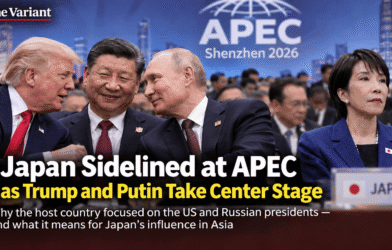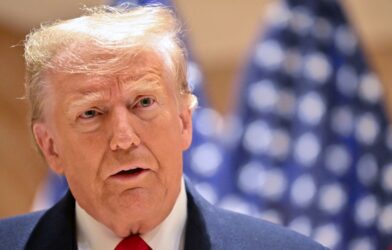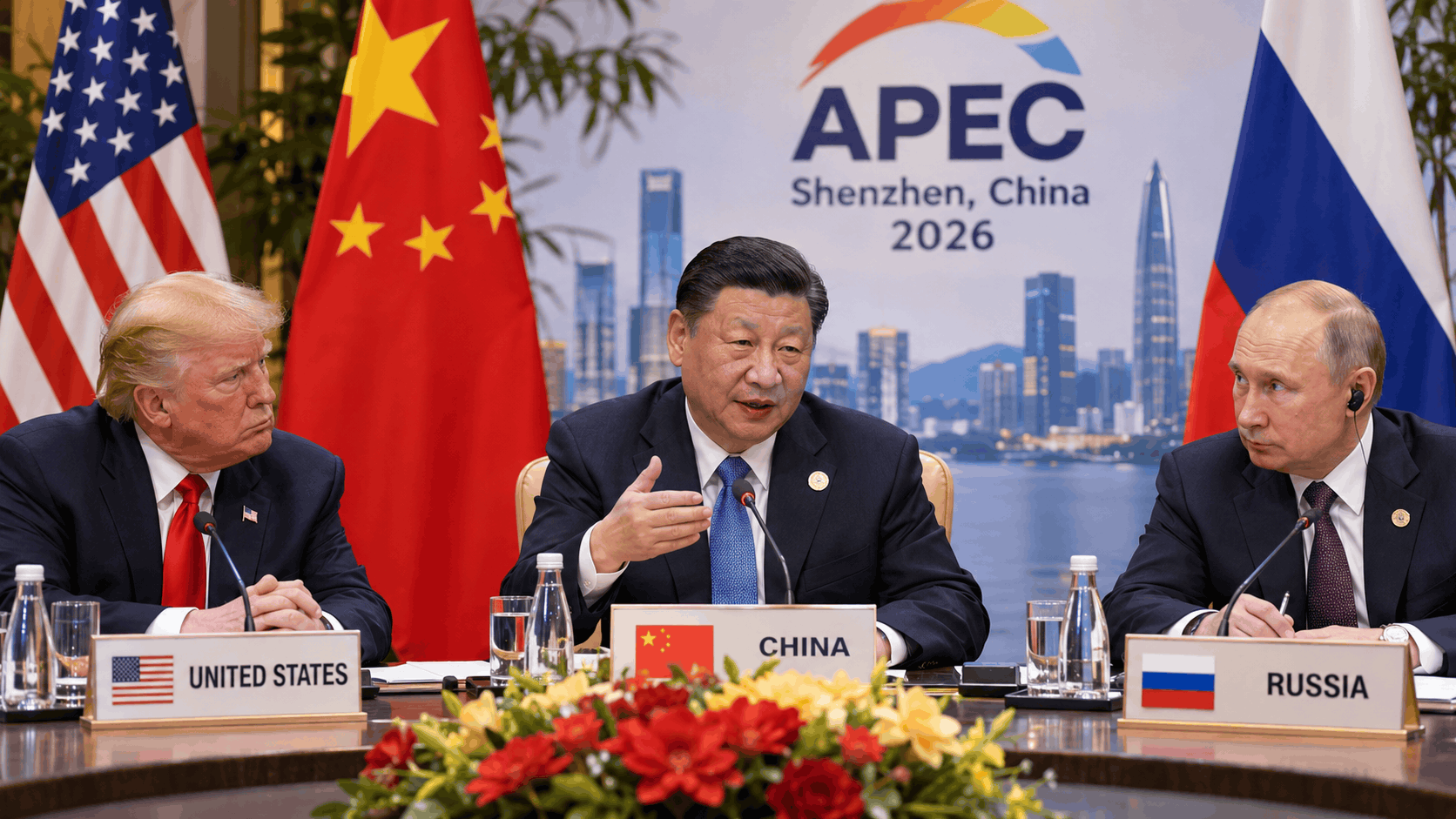
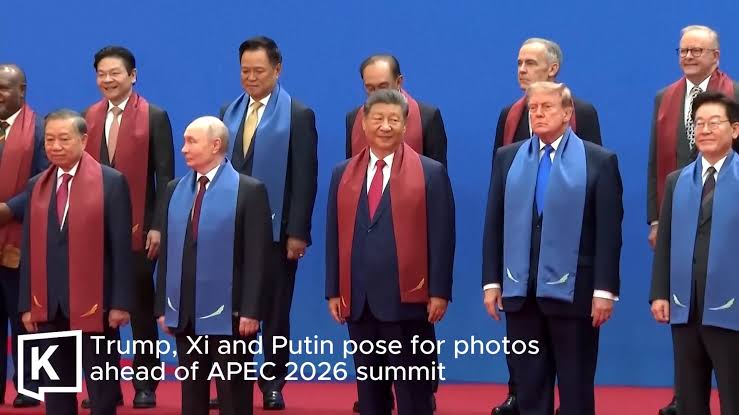
Rochester, NY/Moscow, RU/Shenzen, CN: The historic gathering of American President Donald Trump, Chinese President Xi Jinping and Russian President Vladimir Putin in Shenzhen on November 19, 2026, represented an extraordinary moment in contemporary international diplomacy.
For the first time, the leaders of three of the world’s most influential military and geopolitical powers convened in a trilateral meeting, raising expectations that their collective influence might produce meaningful progress on some of the most dangerous international crises.
Yet the carefully orchestrated encounter ultimately demonstrated a persistent contradiction in global politics: the world’s most powerful governments possess enormous capacity to influence international events, but remain deeply divided over how that influence should be exercised.
Held on the sidelines of the Asia-Pacific Economic Cooperation summit at Kylin Villa, the meeting produced a broadly worded peace declaration addressing international cooperation, nuclear risks, energy security and institutional reform. However, it offered no publicly announced settlement framework for the wars in Ukraine or Iran, despite their central importance to international stability.
The significance of the meeting therefore extends beyond its immediate diplomatic results. It offers a revealing examination of the changing international order, where strategic competition increasingly coexists with selective cooperation and where political symbolism frequently advances faster than substantive agreements.
Diplomacy without Deliverables: The Limits of Great-Power Engagement
President Trump described the encounter as historic and emphasized the importance of maintaining direct communication among competing powers. His argument that international peace requires dialogue with adversaries reflects a legitimate diplomatic principle.
Negotiations between governments with opposing interests have historically played an essential role in reducing military tensions and preventing miscalculation.
Nevertheless, diplomatic engagement cannot be evaluated solely through the willingness of leaders to meet.
The Shenzhen declaration contained broad commitments but lacked publicly specified implementation schedules, independent monitoring arrangements or enforceable obligations.
Its failure to address the central disputes driving contemporary international instability raised questions about whether the three governments had achieved meaningful policy convergence.
For Washington, the summit offered an opportunity to demonstrate American diplomatic leadership amid domestic political pressures following Republican losses in the November midterm elections.
For Beijing, hosting the encounter reinforced China’s emergence as a central diplomatic actor capable of convening competing global powers. Moscow, meanwhile, gained an opportunity to reaffirm its international relevance despite the continuing war in Ukraine and tensions with Western governments.
These competing motivations help explain why the meeting could be considered politically useful to all three leaders without necessarily producing substantial benefits for the international community.
Ukraine: The Absence of a Credible Peace Framework
Russia’s continuing military campaign in Ukraine remained among the most consequential unresolved issues surrounding the summit.
Putin’s participation provided Moscow with a prominent diplomatic platform, but there was no publicly announced breakthrough involving territorial disputes, security guarantees, sanctions or the conditions necessary for a sustainable ceasefire.
The fundamental obstacle remains the incompatibility between Russia’s strategic demands and Ukraine’s insistence on sovereignty and territorial integrity.
Any durable settlement would require direct Ukrainian participation, credible security arrangements and mechanisms capable of preventing renewed hostilities.
Negotiations conducted exclusively among Washington, Beijing and Moscow cannot substitute for an agreement involving Kyiv.
China’s position also remains complicated. Beijing maintains important economic and strategic relations with Russia while seeking to preserve commercial relationships with European markets.
This balancing approach provides China with diplomatic flexibility but limits its willingness to exert pressure that could fundamentally damage its partnership with Moscow.
The Shenzhen meeting demonstrated that great-power communication may reduce diplomatic isolation without necessarily changing the military calculations sustaining an ongoing conflict.
Iran and the Middle East: Strategic Interests without a Shared Solution
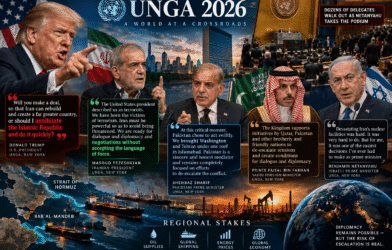
The continuing confrontation involving the United States and Iran introduced another major challenge.
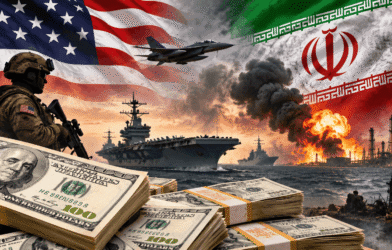
Military escalation in the Persian Gulf, threats to shipping routes and uncertainty surrounding the Strait of Hormuz have increased international concern about energy supplies, maritime security and regional stability.
Trump indicated that Iran and the reopening of Hormuz featured in discussions. Nevertheless, the summit produced no publicly confirmed joint initiative capable of resolving the confrontation or establishing a comprehensive regional security framework.
The three governments approach the Middle East from substantially different strategic perspectives.
Washington prioritizes the security of American forces and regional partners, restrictions on Iran’s nuclear capabilities and freedom of navigation.
Beijing depends heavily on international trade and stable energy supplies while maintaining economic relationships across competing regional blocs.
Moscow regards its relationship with Tehran as part of a wider geopolitical strategy involving security cooperation and resistance to Western pressure.
These interests overlap in the desire to avoid uncontrolled regional escalation, but diverge over military intervention, sanctions and the political future of Iran.
Without Iranian participation and broader regional engagement, any understanding among the three powers would remain insufficient to guarantee a sustainable settlement.
China Emerges as the Diplomatic Beneficiary
Perhaps the most consequential outcome of the Shenzhen gathering was China’s enhanced diplomatic visibility.
By hosting both the APEC summit and the unprecedented trilateral encounter, Xi Jinping demonstrated Beijing’s ability to position itself at the center of high-level international diplomacy.
The selection of Shenzhen was itself significant. As a major center of Chinese technological development and manufacturing, the city symbolized Beijing’s ambitions to translate economic and technological strength into greater geopolitical influence.
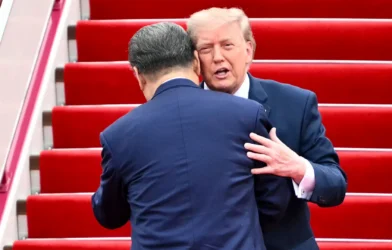
The carefully managed reception for Trump reinforced the diplomatic significance of the occasion. Yet the atmosphere of personal goodwill did not eliminate disagreements over tariffs, advanced semiconductor restrictions, rare-earth supplies and market access.
Reuters reported that China emerged with greater strategic flexibility while Washington obtained few concrete public concessions. The absence of a detailed trade breakthrough suggested that Beijing remained comfortable pursuing prolonged negotiations rather than accepting immediate compromises.
This outcome highlights an important characteristic of modern Chinese diplomacy: Beijing increasingly seeks to shape the environment in which international negotiations occur, not merely respond to initiatives developed elsewhere.
Nuclear Security: Shared Responsibility, Different Strategic Calculations
The meeting also highlighted the increasingly complex nuclear security environment.
The United States and Russia maintain the world’s largest nuclear arsenals, while China has been expanding and modernizing its strategic capabilities.
Xi emphasized the importance of preventing nuclear conflict and articulated the long-term objective of eliminating nuclear weapons. Putin similarly stressed the responsibility of major powers to maintain international security.
However, these declarations were not accompanied by a publicly announced binding trilateral arms-control agreement.
The difficulty lies partly in the asymmetry of nuclear capabilities. Washington and Moscow possess much larger arsenals than Beijing, creating disagreements over how future limitations should be structured.
Meanwhile, emerging technologies, missile defense systems, hypersonic weapons and artificial intelligence are complicating traditional approaches to strategic deterrence.
A meaningful diplomatic achievement would require sustained negotiations on verification, transparency, escalation prevention and measurable limitations.
The Shenzhen encounter may provide an opening for such discussions, but declarations of responsibility cannot replace enforceable security arrangements.
Global Trade and Economic Stability: Cooperation under Pressure
The summit unfolded against a broader backdrop of international economic uncertainty.
APEC’s 21 member economies collectively account for approximately 62 percent of global GDP and roughly half of international trade, making the forum an important platform for discussing economic integration and regional prosperity.
Nevertheless, the growing strategic rivalry between Washington and Beijing continues to complicate international supply chains.
American restrictions on advanced technology, Chinese controls over strategically important materials and persistent tariff disputes illustrate the extent to which economic policy has become intertwined with national security.
For businesses and consumers, these tensions can translate into higher production costs, disrupted investment decisions and uncertainty over prices.
The summit also exposed differing approaches to artificial intelligence. Washington emphasized technological competitiveness, while Beijing promoted international cooperation and governance arrangements intended to influence the development and application of emerging technologies.
Without practical agreements addressing trade barriers and technological restrictions, diplomatic assurances of economic stability are unlikely to eliminate the underlying pressures affecting global markets.
A Changing World Order and the Concerns of Smaller Nations
The Shenzhen meeting inevitably revived comparisons with earlier gatherings where major powers attempted to shape the international system.
However, the contemporary geopolitical landscape differs fundamentally from the postwar environment.
The European Union, India, Japan, South Korea, Türkiye and influential Middle Eastern states possess substantial economic or strategic capabilities. Their interests cannot simply be accommodated through understandings among Washington, Moscow and Beijing.
For Ukraine, Taiwan and smaller countries facing security disputes, the prospect of major powers negotiating international arrangements without their direct participation raises legitimate concerns.
An international order based on spheres of influence risks undermining the sovereignty of states that lack comparable military strength.
Conversely, refusing communication among nuclear powers would increase the possibility of dangerous miscalculation.
The challenge is therefore not whether the three leaders should engage in diplomacy, but whether their engagement strengthens inclusive international institutions or encourages an exclusive system of great-power bargaining.
Conclusion: A Historic Encounter Still Awaiting Historic Results
The Shenzhen summit was undoubtedly significant in diplomatic terms. Bringing Trump, Xi and Putin together created an opportunity for direct communication among governments whose decisions profoundly influence international security and economic stability.
Yet the distinction between diplomatic access and diplomatic achievement remains essential.
The meeting did not produce a publicly verified breakthrough on Ukraine, Iran, nuclear arms control or the fundamental disputes shaping American-Chinese economic relations.
Its greatest immediate accomplishment was establishing a precedent for trilateral engagement, while it’s most visible political advantage appeared to favor China’s diplomatic positioning.
The ultimate value of the summit will depend on whether subsequent negotiations generate measurable commitments, credible conflict-resolution mechanisms and greater strategic predictability.
For millions affected by warfare, inflation, energy insecurity and geopolitical uncertainty, photographs of powerful leaders seated together offer little reassurance unless accompanied by tangible improvements.
Shenzhen demonstrated that the world’s leading powers remain capable of gathering around one table. What remains uncertain is whether they possess the political will to move beyond competing national ambitions toward solutions that serve the wider international community.
History may remember the Shenzhen summit as the beginning of a more constructive diplomatic era—or as another occasion when extraordinary political symbolism concealed an absence of meaningful progress.
Reporting and factual context: Associated Press, Reuters, Al Jazeera and Channel NewsAsia, The Variant Desk November 19–21, 2026. The analysis and interpretations are independently composed.