


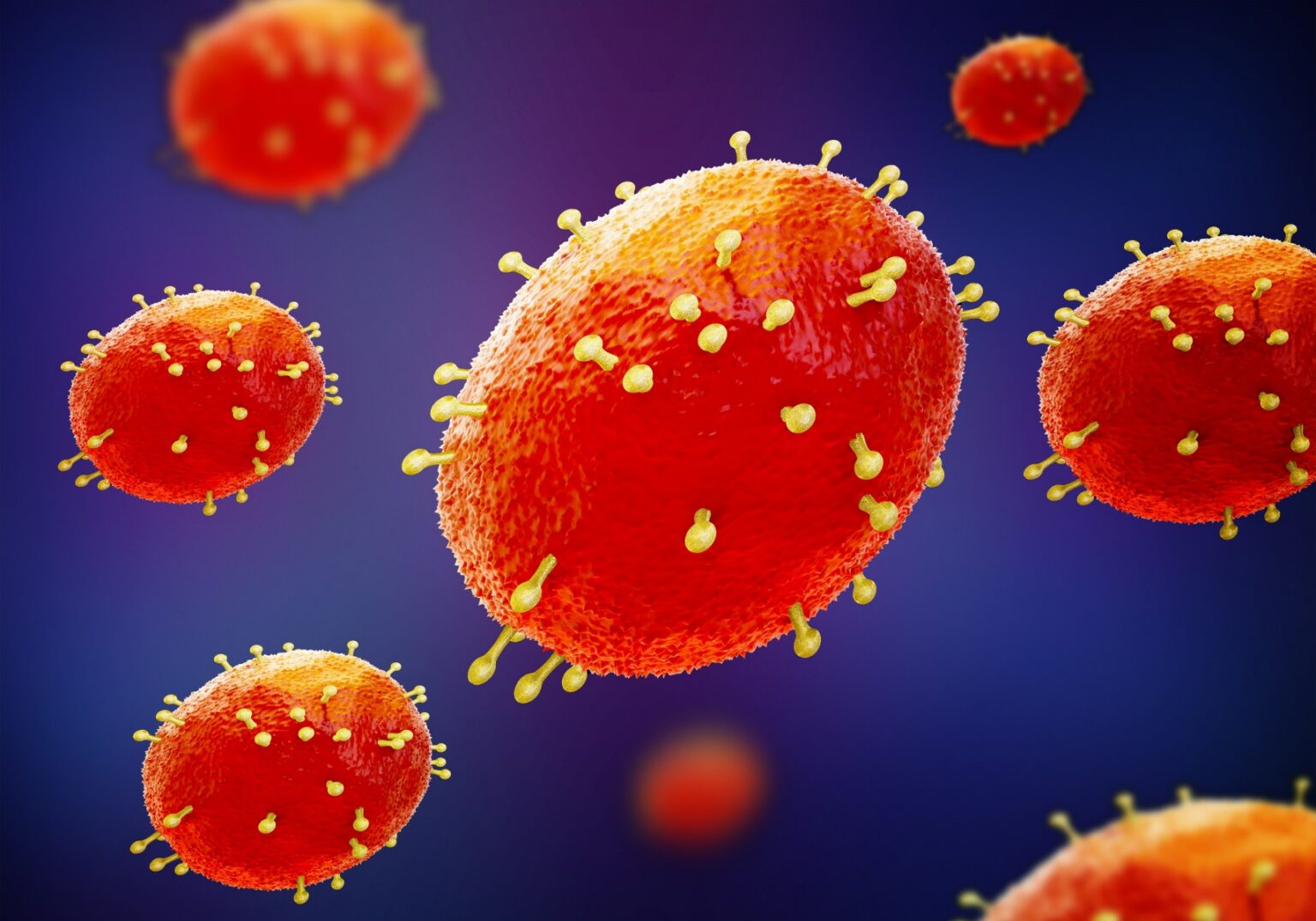
Rochester, NY: The world is once again hearing warnings about another infectious disease outbreak — mpox, formerly known as monkeypox. The virus has resurfaced in headlines across the United States, Europe, Africa, and parts of Asia, triggering public concern and renewed debate over whether the world is facing another COVID-19-style emergency or witnessing an exaggerated health scare driven by politics and media narratives.
According to the Centers for Disease Control and Prevention (CDC) and the World Health Organization (WHO), mpox remains a real infectious disease threat, but health authorities insist that it is fundamentally different from COVID-19 in terms of transmission, severity, and pandemic potential.
Mpox is caused by the monkeypox virus, a member of the orthopoxvirus family, which also includes smallpox. The disease was historically limited to parts of Central and West Africa, where transmission often occurred through contact with infected animals. However, global travel, changing transmission patterns, and human-to-human spread have expanded the virus far beyond its original geographic boundaries.
The current global situation is being monitored closely because of two major strains — clade I and clade II. The CDC recently reported more than 53,000 global cases connected to the clade I outbreak centered in Central and Eastern Africa. Several Western European countries have also reported local transmission, while imported and travel-linked cases continue appearing in North America and elsewhere.
In the United States, the CDC states that the overall public risk remains “low,” although imported cases and limited domestic transmission have occurred. Between late 2024 and early 2026, at least 16 clade I cases were identified in America, including several cases with no direct travel history, indicating limited local spread.
New York became one of the states drawing attention after health officials confirmed a clade I mpox case connected to international travel. Authorities isolated the patient and began contact tracing efforts.
Despite growing media coverage, infectious disease experts emphasize that mpox is not comparable to COVID-19 in several critical ways. COVID-19 spread primarily through airborne respiratory transmission and was highly contagious even before symptoms appeared.
Mpox generally spreads through close physical contact, prolonged skin-to-skin exposure, bodily fluids, contaminated materials, and in some cases intimate or sexual contact. It does not spread through casual airborne exposure nearly as efficiently as COVID-19.
Another major difference lies in visibility of symptoms. Mpox usually causes visible rashes, lesions, fever, swollen lymph nodes, and flu-like illness, making infected individuals easier to identify and isolate. COVID-19, by contrast, often spread silently through asymptomatic carriers.
Health agencies also point out that vaccines and antiviral treatments already exist because of previous smallpox research. The JYNNEOS vaccine and antiviral drugs such as TPOXX are available in many countries, although researchers are now monitoring reports of drug-resistant clusters and emerging recombinant strains.
Still, the growing number of outbreaks has fueled skepticism online and in political circles. Some critics claim the virus is being exaggerated to distract public attention from major geopolitical crises, wars, economic instability, and military confrontations unfolding around the world. These suspicions intensified after years of distrust created during the COVID-19 pandemic, when lockdowns, vaccine mandates, and conflicting public messaging deeply polarized societies.
Social media discussions and online forums increasingly reflect this skepticism. Some users argue that repeated global health alerts conveniently emerge during periods of international political tension, while others believe governments and pharmaceutical industries benefit financially or politically from public fear.
However, there is currently no verified evidence proving that mpox was deliberately manufactured, politically engineered, or intentionally amplified as a distraction from global military conflicts. The scientific consensus remains that mpox is a naturally occurring viral disease that has existed for decades and whose recent spread is linked to travel, changing social interactions, declining immunity after the end of smallpox vaccination campaigns, and gaps in global public health systems.
At the same time, public skepticism itself cannot simply be dismissed. Governments and international institutions face a credibility challenge after controversies surrounding COVID-19 policies, changing scientific guidance, censorship accusations, and political polarization. In many countries, people no longer automatically trust official narratives, particularly when fear-based messaging dominates headlines.
Another concern emerging in 2026 is the weakening capacity of some public health systems. Reports indicate staffing shortages and disruptions in disease surveillance programs within U.S. health agencies, including temporary pauses in certain pox virus testing operations. Critics warn that reduced preparedness could complicate future outbreak responses.
Globally, Africa remains the epicenter of the most serious outbreaks. Countries such as the Democratic Republic of Congo continue facing widespread transmission, especially in regions with fragile healthcare infrastructure, armed conflict, and limited vaccine access. European nations are meanwhile monitoring imported and locally transmitted cases, while WHO scientists are also studying recombinant variants combining genetic elements from different mpox strains.
The current evidence suggests that mpox should be treated seriously but not with the same level of panic associated with the early COVID-19 pandemic. It is a real virus with genuine health risks, particularly for vulnerable populations, but it is not currently spreading at the explosive airborne scale witnessed during COVID-19. Public awareness, targeted vaccination, rapid diagnosis, and transparent communication remain the most effective tools for preventing wider outbreaks.
The larger issue may not only be the virus itself, but the deep global crisis of trust between governments, institutions, media organizations, and ordinary citizens. In today’s environment, every outbreak quickly becomes entangled with politics, geopolitics, conspiracy theories, and information warfare — making public health challenges even more difficult to manage.
Keep reading and stay well informed regarding your healthcare.


