


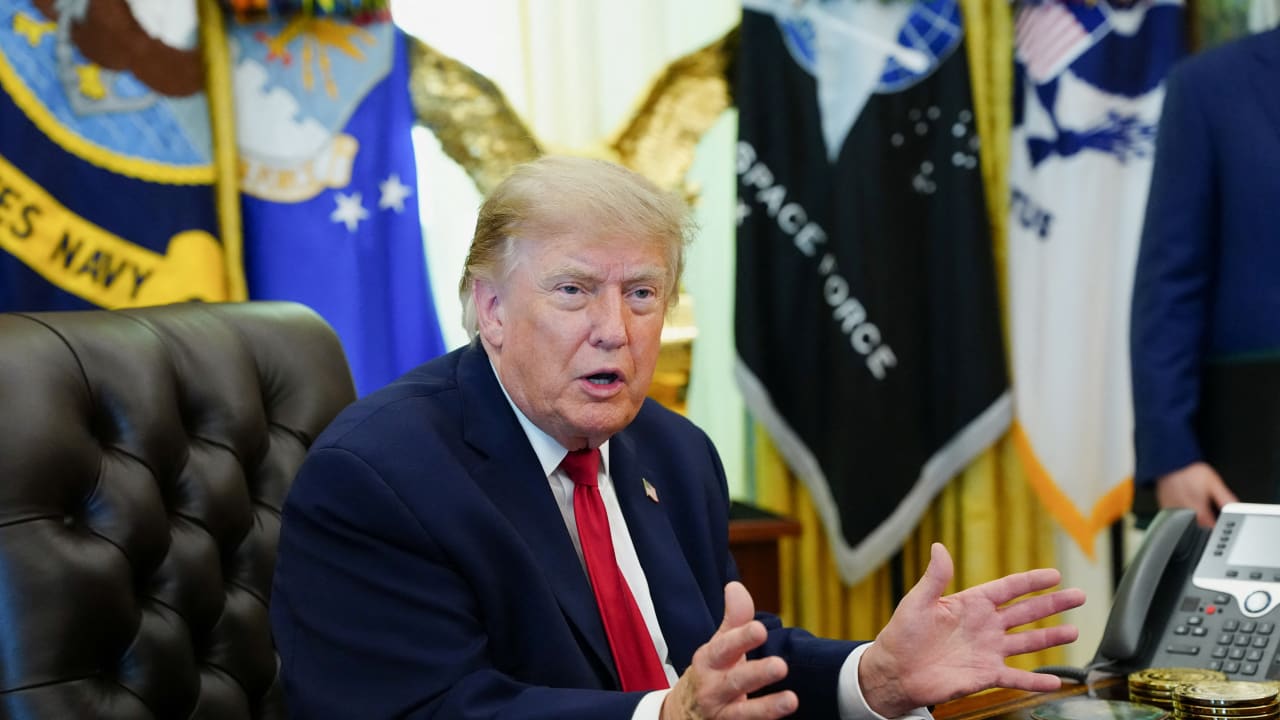
Rochester, NY/Washington D.C: President Donald Trump has reignited one of America’s most contentious political debates by unveiling newly declassified intelligence documents that he says expose foreign election interference and years of suppression by elements within the U.S. intelligence community.
The White House subsequently issued a detailed statement titled “WHAT THEY ARE SAYING: President Trump Exposes Bombshell Evidence of Foreign Election Interference and Deep State Suppression,” arguing that the newly released material validates long-standing concerns about election security and intelligence transparency.
The announcement immediately reignited one of the most polarizing political debates in modern American history.
Supporters viewed the declassified documents as confirmation that serious national security concerns had been concealed by elements within the intelligence community, while critics argued that the documents do not substantiate Trump’s broader claims that foreign interference altered the outcome of the 2020 presidential election.
This divergence illustrates that the controversy is no longer solely about election administration but also about public trust in government institutions, intelligence agencies, and the political process itself.
During his primetime address, President Trump declared that the American people had been denied access to critical intelligence for years.
He argued that the declassified material revealed “massive vulnerabilities” in election systems and accused unelected officials inside the intelligence bureaucracy of withholding information that should have reached elected leadership.
Trump asserted that “the American people deserve to know the truth,” insisting that foreign actors had targeted America’s electoral system while intelligence officials allegedly minimized or concealed the extent of those efforts. According to the White House, the document release was intended to restore transparency and strengthen confidence in future elections.
The documents released by the administration reportedly include intelligence assessments concerning foreign cyber activity, analyses of election-system vulnerabilities, investigations into suspicious voter-registration incidents, and internal evaluations prepared by agencies including the Department of Homeland Security and intelligence organizations.
Among the most discussed findings are assessments indicating that Chinese entities collected extensive publicly available voter-registration data from numerous U.S. states.
The released material also contains cybersecurity assessments identifying vulnerabilities in election-related software and infrastructure that officials believed deserved continued monitoring. However, the intelligence documents themselves reportedly stop short of concluding that these activities successfully altered vote totals or changed certified election outcomes.
President Trump nevertheless interpreted these findings far more broadly. He argued that acquiring massive amounts of voter data represented a significant national security threat and maintained that previous administrations and intelligence leaders failed to adequately confront or disclose these risks.
Trump further alleged that bureaucratic resistance inside federal agencies prevented the public from understanding the full scope of foreign election interference, describing this alleged resistance as evidence of a “Deep State” determined to shield politically damaging information from public scrutiny.
He contended that presidents cannot effectively protect national security if intelligence officials selectively determine what information reaches elected leadership.
According to Donald J. Trump, the newly declassified records demonstrate that politically sensitive intelligence remained classified not because disclosure would have endangered national security, but because it could have generated political controversy.
The administration argues that broader declassification promotes governmental accountability and public confidence.
However, numerous independent analysts, election experts, and news organizations have reached markedly different conclusions after reviewing the released material.
Several assessments acknowledge that foreign governments—including China, Russia, Iran, and others—have long sought to influence American politics through cyber operations, disinformation campaigns, espionage, and influence activities.
These efforts are well documented across multiple intelligence assessments dating back several election cycles. Yet many experts note that the newly released documents do not establish that foreign governments successfully manipulated vote counts or altered certified election results.
Fact-checking organizations similarly concluded that while the documents identify genuine security concerns deserving continued attention, they do not substantiate claims of widespread election fraud or demonstrate that foreign interference changed the outcome of the 2020 election.
Analysts note that some of the material had been partially known previously, while other documents discuss vulnerabilities and intelligence assessments rather than confirmed operational successes by foreign adversaries.
Among the issues receiving considerable public attention are references to China obtaining hundreds of millions of U.S. voter records. Intelligence summaries indicate that Chinese actors collected large datasets of publicly available voter-registration information for analytical purposes.
Security experts generally acknowledge that harvesting publicly accessible data differs substantially from penetrating election systems or altering ballots.
Current publicly available intelligence cited in the released material reportedly does not demonstrate that these datasets were used to manipulate election results.
The documents also revisit investigations into suspicious voter-registration activities in Michigan during the 2020 election cycle.
Federal investigators examined irregular registration submissions but ultimately reported finding no evidence that fraudulent votes were successfully cast through the investigated activities.
These investigations remain part of broader discussions about election administration but have not produced findings supporting nationwide election manipulation.
Trump additionally renewed calls for sweeping election reforms. He argued that stronger voter identification requirements, enhanced citizenship verification, improved cybersecurity protections, and stricter election procedures are necessary to restore confidence in American democracy.
The administration has linked these recommendations to legislative proposals aimed at strengthening election security before future federal elections.
The political response has been sharply divided. Republican allies praised the declassification initiative as a long-overdue effort to expose intelligence failures and increase transparency regarding election security.
Democratic leaders, however, argued that the administration continues to present speculative or incomplete intelligence as definitive proof of election fraud.
Critics contend that the released documents identify vulnerabilities that deserve continued attention but do not support the conclusion that the certified outcome of the 2020 election was illegitimate.
The international dimension has also become significant. China categorically rejected Trump’s allegations of election interference, describing the accusations as politically motivated and denying involvement in manipulating American elections.
Chinese officials reiterated their longstanding position that Beijing does not interfere in the domestic political processes of other nations.
Viewed analytically, the controversy extends beyond the contents of the declassified documents themselves.
It reflects a broader struggle over how intelligence should be interpreted, how much classified information should be released to the public, and how governments should communicate national security threats without undermining confidence in democratic institutions.
Even critics of Trump’s conclusions generally acknowledge that foreign governments continue attempting to influence democratic societies through cyber operations, disinformation campaigns, and intelligence collection.
Likewise, supporters argue that exposing vulnerabilities is essential for preventing future interference regardless of disputes over past elections.
Ultimately, the release of these declassified documents has intensified an already contentious national conversation about election integrity, intelligence accountability, and governmental transparency.
President Trump maintains that the material exposes years of foreign interference and institutional suppression by elements of the intelligence community.
Independent reviews, however, largely conclude that while the documents identify legitimate election-security concerns and foreign intelligence activities, they do not provide conclusive evidence that foreign actors successfully changed the outcome of the 2020 presidential election.
As Congress, intelligence agencies, and election officials continue examining election security, the newly released records are likely to remain central to political debate over how the United States balances transparency, national security, and public confidence in its democratic institutions.
The Variant remains committed to delivering accurate, timely, and insightful coverage of the world’s most important stories.


