


Rochester, NY: Pakistan’s role as a mediator in the continuing conflict between the U.S. and Iran has gotten a lot of attention throughout the world, yet many still disagree on how well it works.
Islamabad has tried to be a diplomatic bridge, but the fact that it hasn’t been able to reach a major breakthrough in discussions shows that it has structural problems, competing alliances, and doubts about its genuine strategic purpose.
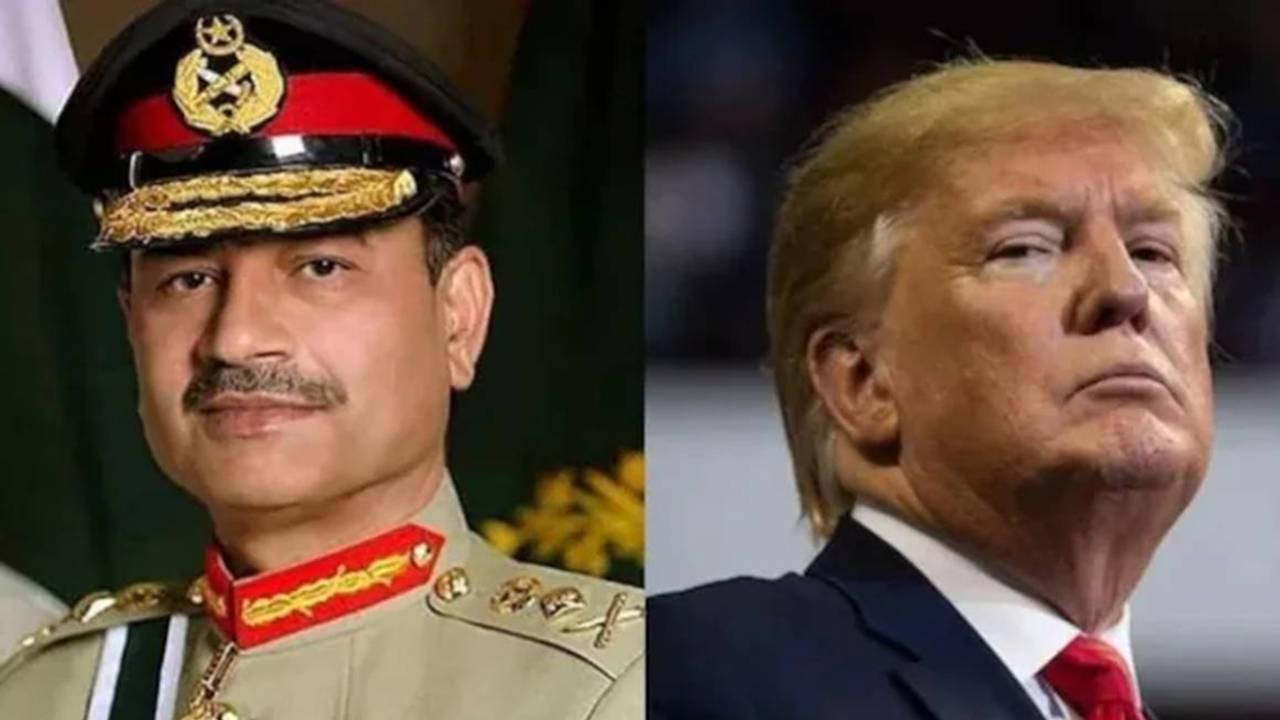
Asim Munir, the chief of Pakistan’s defense forces is at the forefront of this initiative. His direct involvement with both Tehran and Washington gave Pakistan an unusual level of power.
The Islamabad Talks, which were very important, took place in Pakistan and lasted more than 20 hours of negotiations between U.S. and Iranian delegates.
Even while some progress was made, the discussions didn’t settle the main issues, especially those over the Strait of Hormuz and Iran’s nuclear program.
Structural Constraints: Why Pakistan’s Mediation Falters
The main reason Pakistan hasn’t been very successful is because the United States and Iran are not on the same page.
Washington, under Donald Trump, has used a policy centered on pressure, which includes naval blockades and demands for nuclear concessions.
Iran, on the other hand, has turned down discussions that were forced, saying that they were the same as giving up.
Pakistan doesn’t have much economic or military power over either side, thus it mostly acts as a facilitator instead than making decisions. Its job is limited to sending messages and creating trust, not changing the results.
Even though Munir allegedly told the U.S. to lift its embargo to get discussions going again, Washington just “considered” the idea, showing how little power Islamabad has.
Also, mediation is made harder by the fact that Iran is divided inside. Tehran’s broken decision-making, which includes both civilian officials and the Islamic Revolutionary Guard Corps, has made it harder to reach an agreement, which makes conversations fragile by nature.
Was Pakistan Playing Trump’s Card?
One important question that scholars are debating is whether Pakistan is acting on its own or in line with U.S. strategic goals. There is some evidence that they are in agreement.
The leaders of Pakistan have worked hard to build relationships with Trump, and they say they got the job of mediator when Washington asked for a trusted go-between.
Trump has applauded Pakistan’s involvement, which shows that the two countries are working together.
From Islamabad’s point of view, this alignment has real advantages, such as better diplomatic position, more economic involvement, and more power in global forums.
But this intimacy also makes people worry about being neutral. Some others say that Pakistan’s intervention may be seen as favoring Washington in Tehran, which would hurt confidence.
This belief makes Islamabad less credible as an unbiased middleman, which is one of the main reasons why discussions are having trouble making progress.
Military Diplomacy or Strategic Trade
You can’t fully understand Pakistan’s involvement without thinking about its military aspect. The nation has strong defense relations with Saudi Arabia, including sending troops there and conducting exercises together.
Reports say that Pakistani troops and equipment have been sent to Saudi Arabia during the crisis, which shows that the two countries have long-standing security agreements.
Pakistan has always had friendly ties with Iran, partly because the two countries are close to each other and share worries over their borders.
This dual alignment makes it hard to find a balance, which might sometimes seem like it’s not possible.
Analysts say that Pakistan’s policy is “limited alignment without military entanglement.” This means that it supports Saudi Arabia strategically while still talking to Iran diplomatically.
The dual-track approach makes many think that Pakistan’s mediation is not only diplomatic, but also part of a bigger strategic plan to use its position to gain military and economic benefits in the Middle East.
Domestic Signals and Sectarian Undercurrents
Pakistan’s domestic politics make its position in the world even more complicated. Reports of extreme language, including claims that military authorities are against pro-Iran sentiment, show that there are sectarian sensitivities at play.
These kinds of comments aren’t official policy, but they show that there are internal constraints that make it hard for Islamabad to seem impartial.
Pakistan has to be cautious since it has to deal with sectarian tensions and demonstrations related to the Iran dispute while also keeping its own stability.
If Pakistan openly sides with Iran, it might upset Sunni-majority groups and Gulf friends. On the other hand, if it stays away from Tehran, it could make its western border less stable.
Where Does Pakistan Stand: Iran or Saudi Arabia?
Pakistan officially stays neutral and calls for dialogue and restraint. Prime Minister Shehbaz Sharif has said several times that diplomacy is the best way to go ahead, and he has stayed away from direct military action.
But behaviors show a more complex shift. Pakistan has promised to defend Saudi Arabia again while also talking to Iran diplomatically. This two-pronged approach is based on strategy rather than ideology.
Saudi Arabia and other Gulf governments have called for a peaceful settlement. European leaders and the G7 have denounced the situation becoming worse and appealed for calm.
India, on the other hand, has been more critical of Pakistan’s military posturing, with authorities warning against stories that may cause instability and stressing worries about security in the area.
Global Reactions: Diverging Expectations
The US sees Pakistan as a helpful middleman, but not as a key player. Iran views Islamabad as a way to get things done, but it doesn’t trust that it will stay impartial.
European countries back Pakistan’s attempts to mediate but stress the need for international diplomacy.
India, on the other hand, sees Pakistan’s growing involvement as a result of regional rivalry and strategic competition.
This difference in expectations makes it much harder for Pakistan to make a breakthrough.
Conclusion: Mediator without Leverage
Pakistan’s difficulty in managing U.S.-Iran discussions is not indicative of a lack of purpose but rather a manifestation of geopolitical realities.
It works in a place where power is restricted, alliances are confusing, and results are decided by much stronger players.
Pakistan is not only a “card” for Donald Trump; it is best seen as a limited middleman that uses its position to stay strategically important while dealing with opposing demands from Washington, Tehran, and Riyadh. Its mediation may not solve the situation right away, but it has already accomplished one goal: putting Pakistan back on the map as a major, if restricted, actor in Middle Eastern geopolitics.


