


Co-Author: Ghulam Murtaza [Senior Journalist from Islamabad, Pakistan]
Rochester, NY/Islamabad, PK: The deadly Balochistan Train Bombing carrying Pakistani security personnel and their families in Quetta, Balochistan, marks one of the most significant militant attacks in Pakistan in 2026 and comes at a highly sensitive strategic moment.
The attack occurred only days after Pakistan Army Chief Asim Munir and ISI Director-General Asim Malik returned from Tehran, where Pakistan had been actively involved in diplomatic efforts aimed at reducing tensions surrounding the U.S.-Iran crisis.
The timing has inevitably raised questions within Pakistan’s security establishment regarding whether the attack was designed merely as an act of insurgency or as a broader strategic message intended to undermine Pakistan’s regional role and internal stability.
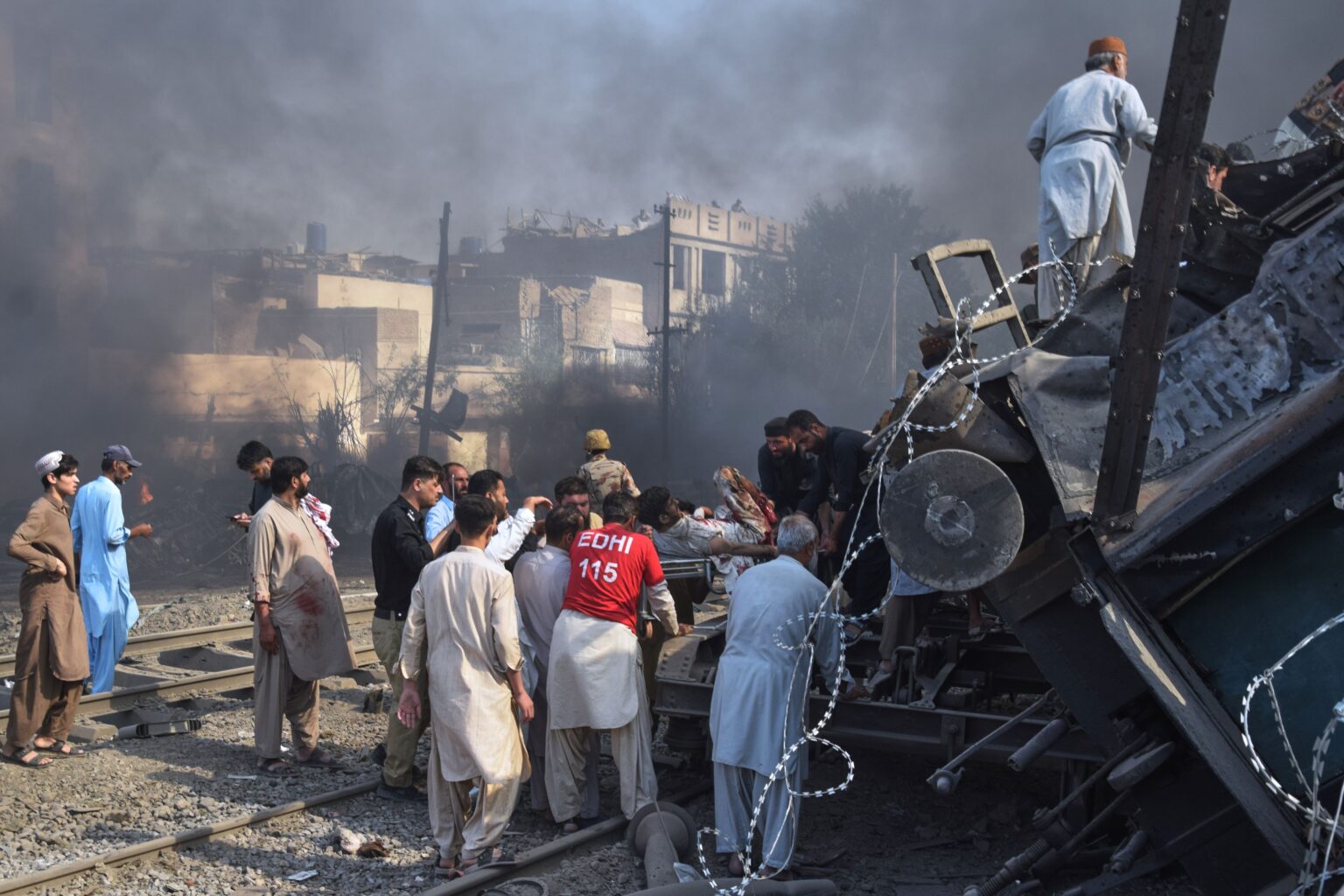
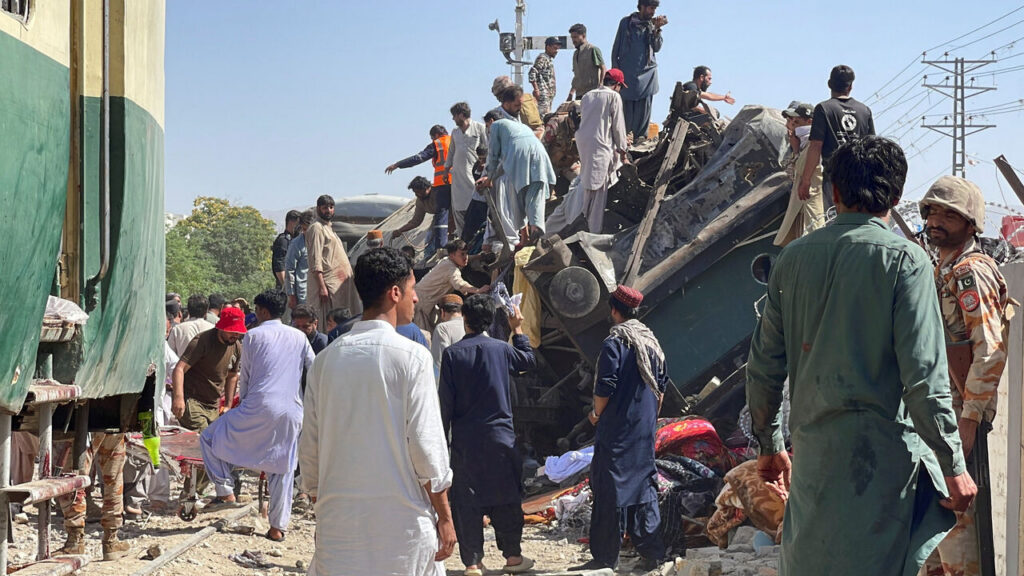
According to the latest available reports, at least 24 people were killed and approximately 70 injured when an explosives-laden vehicle detonated near a shuttle train carrying military personnel and their family members from Quetta Cantonment.
Several train coaches were derailed, and nearby civilian structures were also damaged. Some reports later suggested the death toll may climb toward 30, while the number of injured could exceed 100 as critically wounded victims continue receiving treatment. The separatist militant group known as the Baloch Liberation Army (BLA) claimed responsibility for the attack.
The attack demonstrates a continuing evolution in militant tactics. Unlike traditional roadside bombings or small-scale ambushes, this operation appears to have involved a vehicle-borne explosive device targeting a moving train carrying a mixture of security personnel and family members.
Such attacks require extensive surveillance, logistical preparation, intelligence gathering, and operational planning. Security analysts are likely to view the incident as part of a broader insurgent strategy aimed at generating maximum psychological impact while attracting international media attention.
Balochistan has remained the center of a long-running insurgency for decades. Militant groups claim to be fighting for greater autonomy or independence, while the Pakistani state views these organizations as terrorist entities seeking to destabilize the country through violence.
Over the past two years, attacks have become increasingly sophisticated, including assaults on military installations, Chinese-linked infrastructure projects, and railway networks. The 2025 hijacking of the Jaffar Express represented a major escalation in insurgent capabilities, and the latest train bombing indicates that railway infrastructure remains a preferred target.
The Pakistani military’s response is likely to be immediate, multidimensional, and sustained. Historically, attacks resulting in significant military casualties have triggered extensive intelligence-based operations across militant strongholds.
Security forces can be expected to intensify counterterrorism operations in districts such as Kech, Panjgur, Awaran, Mastung, and areas surrounding Quetta. Intelligence agencies will focus not only on the direct perpetrators but also on facilitators, financiers, recruiters, and logistical networks that enabled the operation.
Pakistan’s military leadership has consistently argued that militant organizations operating in Balochistan receive external support. Following previous attacks, Pakistani officials have publicly accused hostile foreign intelligence networks of providing financial, logistical, and intelligence assistance to separatist groups.
However, while such allegations are frequently made by Pakistani authorities, definitive public evidence linking specific foreign governments to individual attacks often remains disputed internationally. Therefore, any assessment must distinguish between official Pakistani claims and independently verified facts.
The timing of the bombing is perhaps the most intriguing strategic aspect of the incident. Pakistan’s recent diplomatic engagement with Tehran and its efforts to position itself as a stabilizing regional actor during periods of U.S.-Iran tension had enhanced Islamabad’s geopolitical relevance.
An attack of this scale occurring immediately after senior military and intelligence officials returned from Iran creates a perception challenge for Pakistan. Whether coincidental or deliberate, the attack shifts national attention away from diplomacy and back toward domestic security concerns.
For militant organizations, such timing maximizes political impact and reinforces narratives that the state remains vulnerable despite regional diplomatic successes.
For Pakistan’s military establishment, the attack is unlikely to change strategic priorities, but it may accelerate ongoing counterinsurgency efforts.
The military has repeatedly demonstrated that high-casualty attacks often lead to expanded operations involving intelligence agencies, Frontier Corps units, special forces, and air assets. Given the symbolic nature of targeting military families, security planners may consider the attack a direct challenge to state authority rather than merely another insurgent incident.
At the same time, military action alone is unlikely to provide a permanent solution. Many security experts argue that long-term stability in Balochistan requires a combination of security operations, political engagement, economic development, and improved governance.
The province remains rich in natural resources but continues to face socio-economic challenges, creating conditions that militant organizations attempt to exploit for recruitment and propaganda purposes.
The broader implication of the Quetta train bombing is that Pakistan remains engaged in a complex security environment where domestic insurgency, regional geopolitics, border security, and international diplomacy intersect.
The attack serves as a reminder that even as Islamabad seeks to play a larger diplomatic role in regional affairs, internal security challenges continue to demand significant attention and resources.
In the immediate aftermath, Pakistan’s military response will likely focus on dismantling militant networks and preventing follow-on attacks. In the longer term, however, the effectiveness of Pakistan’s strategy will depend on whether kinetic military operations can be combined with political and economic measures capable of reducing the conditions that allow insurgencies to persist.
The train bombing in Quetta is therefore not merely a terrorist attack; it is another chapter in the ongoing contest between the Pakistani state and militant organizations seeking to challenge its authority in one of the country’s most strategically important provinces.


