


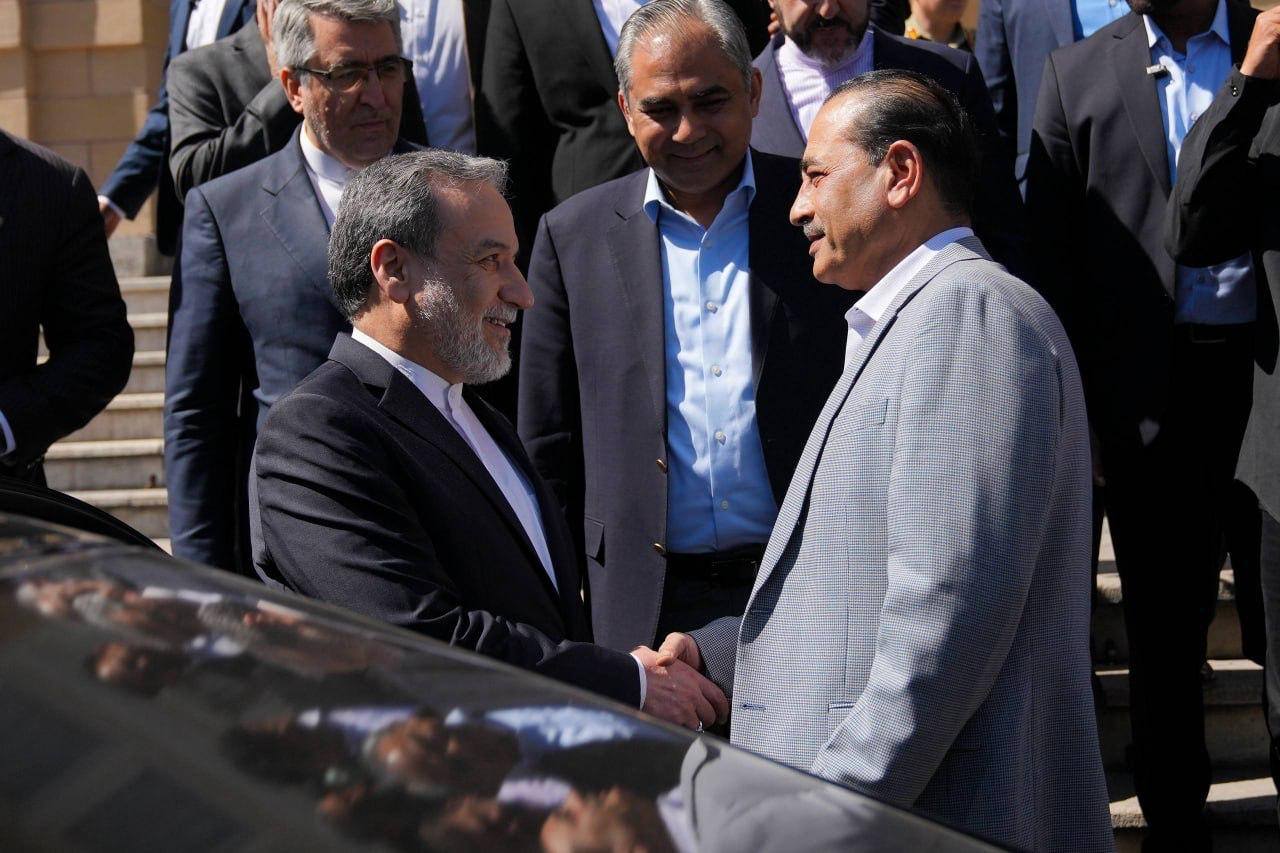
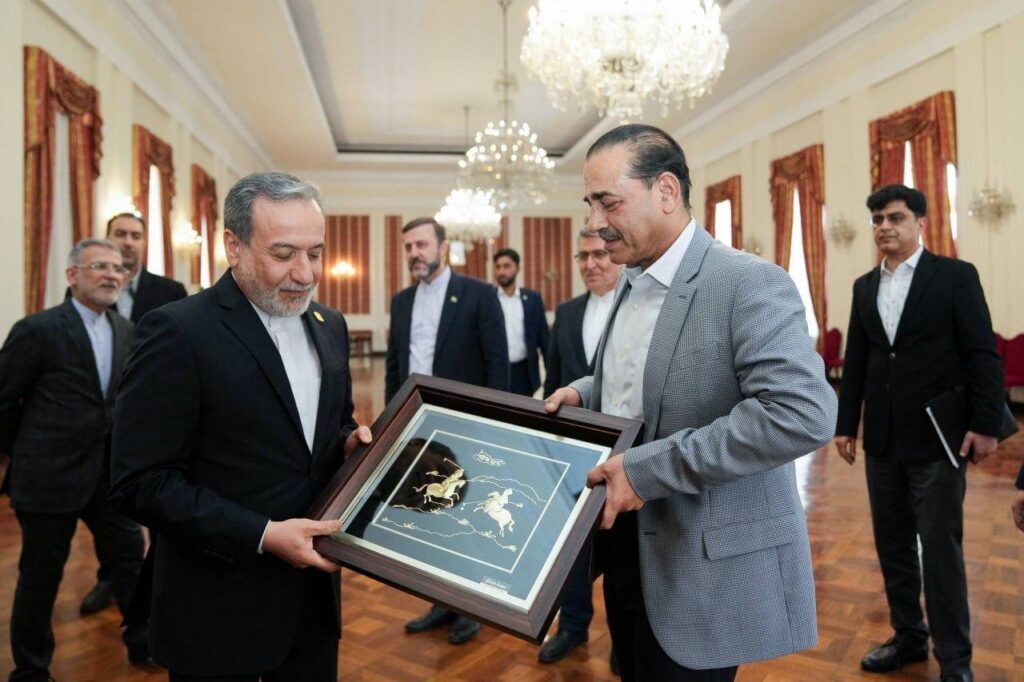
Rochester, NY: The most recent visit of Pakistan’s military chief, Asim Munir, to Tehran mission at a time when Iran and the United States are cautiously exploring diplomatic pathways is unlikely to be viewed in Washington as a routine military visit.
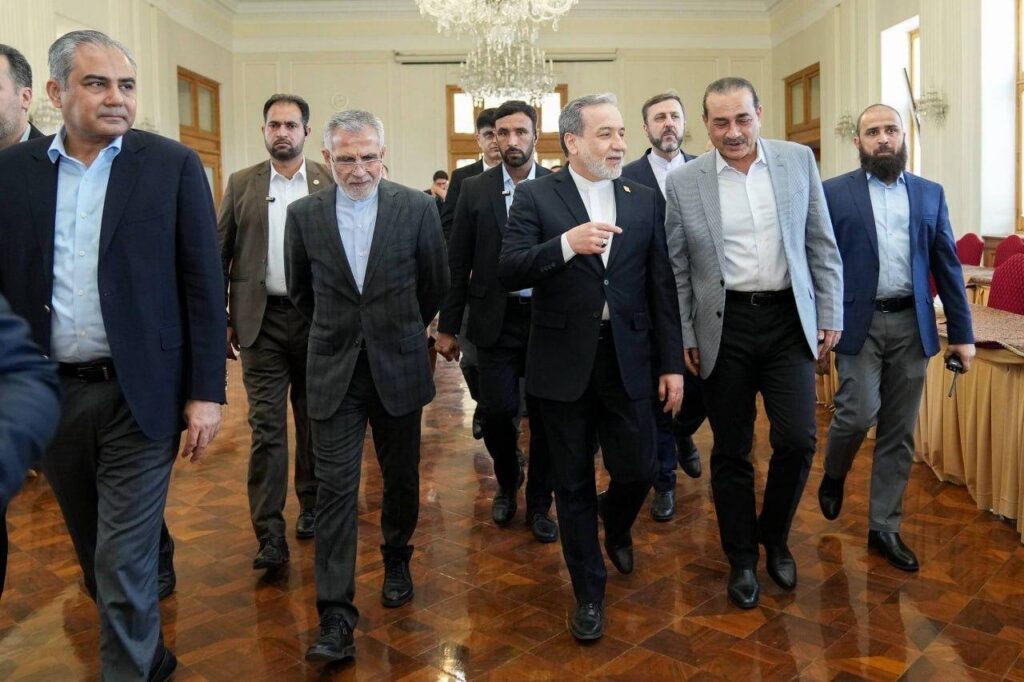
For American intelligence agencies, especially the Central Intelligence Agency (CIA), the most important question is not what was said publicly, but what discussions occurred behind closed doors and why senior security and intelligence officials including Pakistan’s Inter Services Intelligence (ISI) chief, Lieutenant General Asim Malik reportedly accompanied the delegation.
From the perspective of U.S. policymakers, Pakistan occupies a unique strategic position. It maintains security relations with Washington, enjoys deep military cooperation with China, has longstanding ties with Gulf Arab states, and shares a sensitive border with Iran.
Few countries possess the ability to communicate directly with all sides of the current Middle Eastern power struggle. That reality alone makes every high-level Pakistani engagement with Tehran worthy of intense scrutiny in Washington.
If American intelligence analysts were preparing an internal assessment of the visit, they would likely begin with a simple observation: military chiefs do not travel with intelligence officials merely for ceremonial diplomacy.
Such visits generally involve discussions that extend beyond public statements and enter the realm of security guarantees, intelligence sharing, regional threat assessments, and confidential diplomatic messaging.
The CIA’s first analytical question would be whether Pakistan is acting as a messenger between Tehran and Washington. Historically, intelligence services have often served as channels for communication when political leaders wish to avoid public commitments.
During periods of heightened tension, secret messages frequently travel through military and intelligence networks rather than through official diplomatic channels. In that context, the visit of Pakistan’s Intel chief along with security officials to Tehran would not necessarily indicate a conspiracy against American interests.
Instead, it could suggest that Pakistan is facilitating communication that neither side wishes to discuss publicly. However, American intelligence officers are trained to consider alternative explanations.
One possibility that would attract attention in Washington is whether Pakistan and Iran are attempting to establish a more structured security dialogue independent of U.S. influence.
Such a development would not necessarily be hostile to the United States, but it could reduce American visibility into regional security arrangements. Intelligence agencies are naturally cautious whenever regional powers begin coordinating outside established American-led frameworks.
Another factor that would concern U.S. strategists is the changing regional landscape. Relations between Washington and Islamabad have evolved significantly over the past decade. While security cooperation continues, the relationship no longer carries the same strategic importance it once did during operations in Afghanistan.
Simultaneously, Pakistan has deepened economic and defense cooperation with China. From Washington’s perspective, any Pakistani initiative involving Iran definitely therefore be evaluated within the broader context of growing Chinese influence across Asia and the Middle East.
A CIA-style assessment would likely conclude that Pakistan’s leadership is pursuing strategic flexibility rather than ideological alignment. Islamabad’s military establishment has traditionally avoided placing all of its geopolitical bets on a single power.
Instead, it seeks to maintain working relationships with competing actors simultaneously. Viewed through this lens, Asim Munir and Asim Malik’s trip appears less like an anti-American maneuver and more like an effort to maximize Pakistan’s diplomatic relevance during a critical regional crisis.
Iran faces multiple security challenges, including concerns regarding border stability, militant organizations, sanctions enforcement, intelligence operations, and maritime security in the Gulf region.
On the other hand, Pakistan faces its own challenges involving cross-border militant networks and instability along portions of the Iran-Pakistan frontier. These issues naturally require intelligence coordination. Such discussions would almost certainly be handled by intelligence officials rather than diplomats.
For American analysts, the real concern would arise if intelligence cooperation expanded into areas that directly undermine U.S. strategic objectives. As of now, there is no public evidence suggesting such cooperation. Nevertheless, intelligence professionals do not assess threats solely on the basis of existing evidence; they also evaluate future possibilities.
Consequently, Washington would likely monitor whether the Tehran meetings produce new security agreements, intelligence-sharing mechanisms, or regional initiatives that could alter the balance of influence in the Middle East.
The timing of this development is equally important. Iran remains under significant economic and political pressure, while Washington continues to search for mechanisms that can prevent a broader regional conflict.
In such an environment, every intermediary gains value. Pakistan understands this reality. By positioning itself as a country capable of communicating with both Tehran and Washington, Islamabad enhances its diplomatic importance and potentially strengthens its standing with multiple international partners.
Inside the U.S. national security establishment, some officials would probably view Pakistan’s role positively. If Islamabad can help prevent military escalation, facilitate negotiations, or reduce misunderstandings between Iran and the United States, it could serve American interests.
Others, however, would remain skeptical. Intelligence agencies are paid to anticipate risks, not merely celebrate opportunities. They would ask whether Pakistan is leveraging its intermediary role to gain concessions from all sides while expanding its own regional influence.
From a purely American strategic perspective, the most likely conclusion is neither that Pakistan is conspiring against the United States nor that it is acting solely on Washington’s behalf. Rather, Pakistan appears to be pursuing its own national interests.
The country’s military leadership understands that a major U.S.-Iran confrontation would threaten regional stability, disrupt energy markets, increase security pressures on Pakistan’s western border, and potentially create new geopolitical complications involving China, the Gulf States, and South Asia.
Viewed through the eyes of the CIA and the U.S. administration, the Tehran therefore represents something more subtle than a conspiracy. It is a reminder that regional powers are increasingly seeking to shape events independently, acting neither as extensions of American policy nor as outright opponents of it.
The real significance of Asim Munir’s may not lie in what was announced publicly, but in how Pakistan is attempting to position itself as an indispensable player in the future security architecture of the Middle East.







