


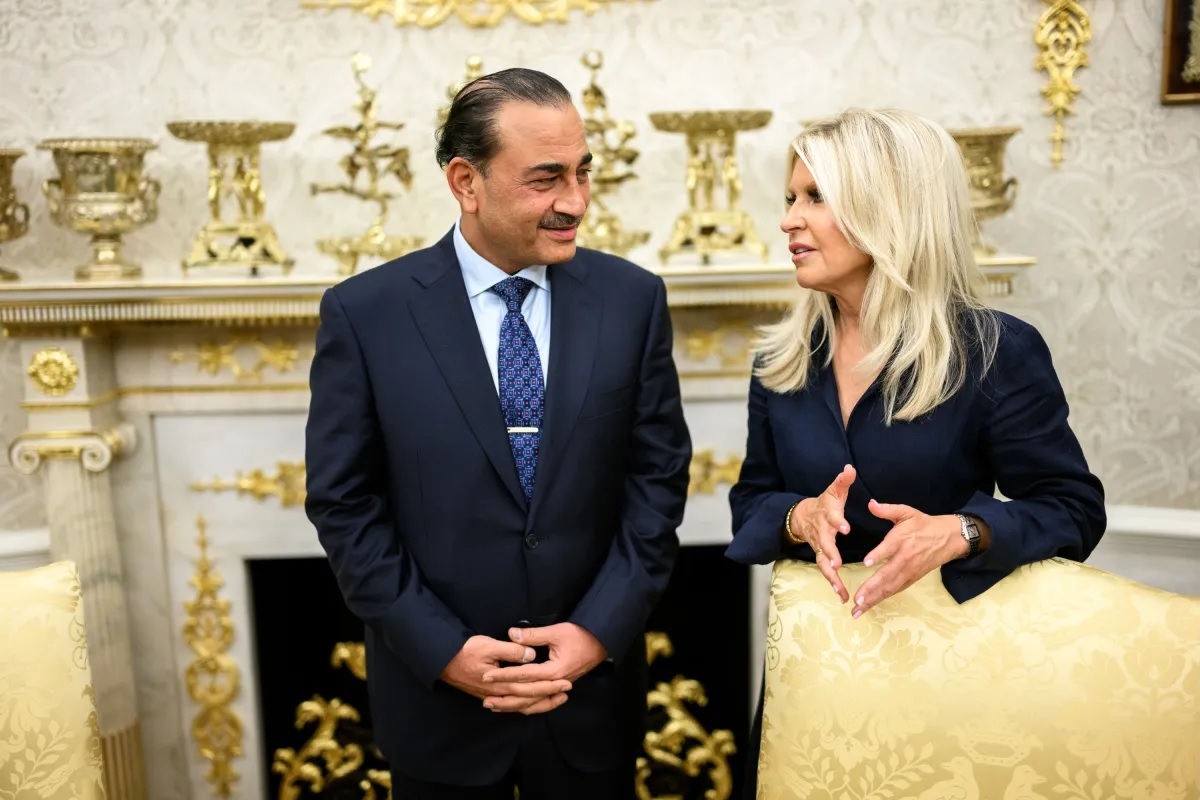
Rochester, NY: The recent silence around Islamabad’s role in the evolving U.S.–Iran backchannel discussions has not gone unnoticed. For years, Pakistan positioned itself as a discreet but useful intermediary between Washington and Tehran, leveraging geography, intelligence networks, and historical ties.
Yet over the past several days, that channel appears to have dimmed, raising questions about whether the United States is deliberately recalibrating its approach and, in the process, creating strategic distance from Pakistan.
Historically, Pakistan’s military establishment—particularly under figures like General Asim Munir—has maintained quiet lines of communication with regional actors, including Iran. Civilian leadership, represented by figures such as Shehbaz Sharif, often complemented these efforts diplomatically.
This dual-track system allowed Islamabad to act as a bridge in sensitive negotiations, especially when direct engagement between Washington and Tehran became politically untenable.
However, recent developments suggest that Washington may be bypassing this traditional channel. Sources in diplomatic circles point toward a preference within the administration of Donald J. Trump for more controlled, bilateral or regionally diversified communication routes.
The absence of visible Pakistani involvement, both politically and militarily, indicates not just a pause but potentially a structural shift.
This apparent distancing is less about diplomatic disagreement and more about evolving strategic priorities.
The United States is increasingly viewing Iran not just through the lens of nuclear negotiations but as part of a broader security architecture that includes maritime dominance in the Gulf and containment strategies involving allies such as Saudi Arabia and Israel.
In this context, reliance on Pakistan introduces variables that Washington may prefer to avoid. Islamabad’s deepening ties with China, its internal political flux, and its own complex relationship with Tehran complicate its role as a neutral intermediary.
Moreover, the U.S. may perceive that Pakistan’s leverage over Iran is not as decisive as it once was, particularly when compared to more direct or economically influential actors.
The recent low profile of Pakistan’s leadership, including the noticeable absence of public statements from both Shehbaz Sharif and General Asim Munir, adds another layer of intrigue. This silence could be interpreted in multiple ways.
On one hand, it may reflect ongoing behind-the-scenes engagement that Islamabad prefers to keep out of the spotlight, especially given the sensitivity of U.S.–Iran tensions.
On the other, it could signal a recognition within Pakistan’s power structure that its traditional mediatory role is being sidelined, prompting a strategic pause rather than an overt response.
What is becoming increasingly evident is that the divergence between Washington and Islamabad is no longer confined to diplomatic nuances. It is rooted in a broader strategic mistrust.
The United States has, over time, shifted its regional focus toward India as a counterbalance to China, while Pakistan has strengthened its alignment with Beijing. This realignment inevitably affects trust levels, particularly in high-stakes negotiations involving Iran.
Furthermore, Washington’s concerns over Pakistan’s internal stability and its ability to deliver consistent policy outcomes have contributed to this cautious distancing.
In contrast, Islamabad views U.S. policy as increasingly transactional and unpredictable, especially under the leadership of Donald J. Trump.
If Pakistan is indeed being edged out of the U.S.–Iran mediation framework, the implications are significant. It reduces Islamabad’s strategic relevance in one of the most critical geopolitical fault lines and limits its ability to influence outcomes that directly affect its western border.
At the same time, it opens space for other actors—such as Oman, Qatar, or even European intermediaries—to play a more prominent role. This shift could further marginalize Pakistan in regional diplomacy, reinforcing a perception that its influence is waning in favor of more stable or economically leveraged partners.
The current trajectory suggests not an abrupt break but a gradual realignment. The United States appears to be redefining its engagement model in the Middle East, prioritizing strategic clarity over traditional diplomatic channels.
In doing so, it is inevitably creating distance from Pakistan, not out of necessity alone but as part of a broader recalibration of alliances and influence.
For Islamabad, the challenge now lies in adapting to this shift. Whether it chooses to reassert its relevance through strategic recalibration or continues to operate in the shadows will determine its future role in one of the most volatile regions in global politics.
Keep following The Variant as we continue to monitor developments and provide informed perspectives on this evolving situation.


