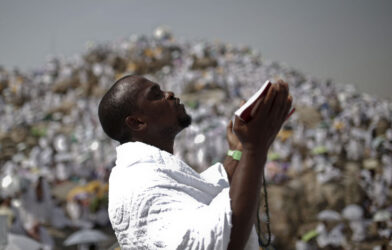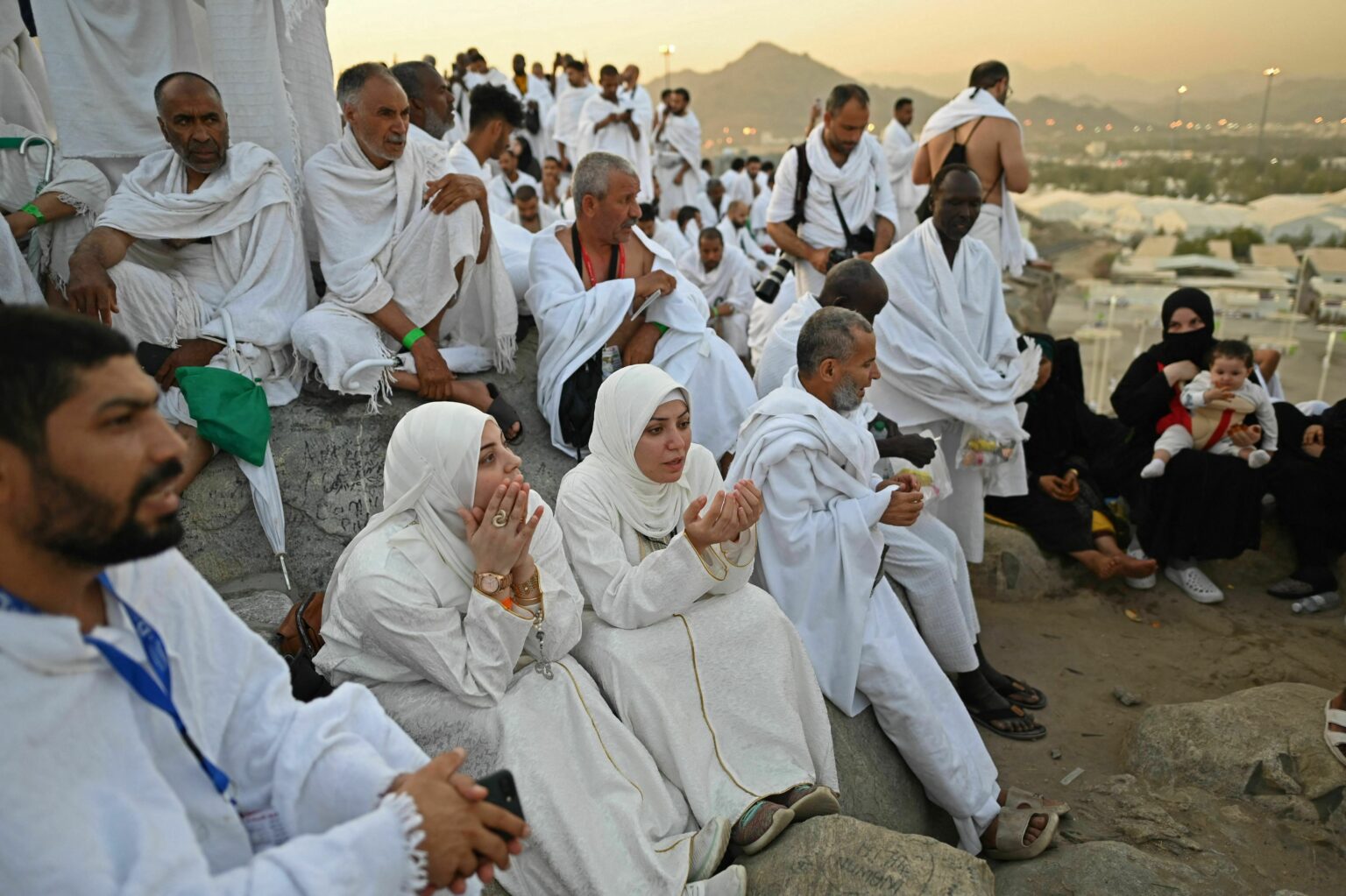
Rochester, NY/Makkah, SA: The annual Hajj 2026 pilgrimage to Makkah remains one of the largest religious gatherings in the world and one of the Five Pillars of Islam.
Every Muslim who is physically and financially able is required to perform Hajj at least once in their lifetime. In 2026, millions of Muslims once again converged on the holy cities of Makkah, Mina, Muzdalifah and Arafat, undertaking a spiritual journey that symbolizes unity, sacrifice, equality and devotion to Allah.
This year’s pilgrimage has attracted particular international attention because it is taking place amid heightened geopolitical tensions across the Middle East, including instability linked to the Iran conflict, concerns about maritime security in the Gulf region, and rising travel costs that have affected Muslim communities worldwide.
Despite these challenges, Saudi authorities proceeded with extensive preparations, deploying large-scale security, health, transportation and crowd-management systems to facilitate the pilgrimage.
According to Saudi officials, more than 1.5 million international pilgrims had already arrived in the Kingdom before the main rituals began, while other reports placed the number of arrivals above 1.6 million as the final wave of pilgrims entered the country.
The total figure is expected to approach or exceed the levels recorded in recent years once domestic pilgrims are included.
A question frequently raised this year is whether the figure of approximately 1.5 to 1.6 million pilgrims indicates a decline caused by regional instability.
The evidence suggests that such a conclusion would be overly simplistic. While ongoing conflicts and security concerns have undoubtedly affected some countries, available data indicate that Hajj 2026 attendance has actually surpassed the number of international arrivals recorded during the previous season.
Several reports note that pilgrim arrivals this year are higher than those recorded in 2025 despite the tense regional environment.
The impact of regional instability has nevertheless been visible. Iranian participation has reportedly fallen significantly compared with previous years due to tensions arising from the broader regional conflict and uncertainty surrounding travel arrangements.
Some pilgrims from conflict-affected countries such as Sudan and Yemen also faced substantial logistical and financial challenges before reaching Saudi Arabia. Yet many still completed the journey, demonstrating the powerful religious significance of Hajj even during times of crisis.
Economic factors appear to have played an equally important role. Rising global inflation, increased airfare costs, higher accommodation expenses and currency depreciation in several Muslim-majority countries have made Hajj considerably more expensive. For many families, the pilgrimage now requires years of financial planning. Analysts have pointed to these economic pressures as a major reason why Hajj participation has not returned to the record-breaking levels seen before the COVID-19 pandemic.
Another important factor is Saudi Arabia’s increasingly strict regulation of Hajj access. Following previous incidents involving overcrowding and unauthorized pilgrims, authorities introduced tougher permit requirements, enhanced digital monitoring systems and stronger enforcement measures against individuals attempting to enter the holy sites without official authorization.
These policies are designed primarily to improve safety and crowd control rather than reduce attendance, but they inevitably limit the number of unregistered participants who might otherwise attempt the pilgrimage.
Climate conditions have also become a growing concern. The pilgrimage is once again taking place under extremely high temperatures, with Saudi authorities implementing extensive heat-mitigation measures.
The issue gained urgency after the tragic 2024 Hajj season, when more than a thousand deaths were reported amid extreme heat. Since then, Saudi authorities have expanded cooling infrastructure, emergency medical services and heat-protection campaigns to reduce risks to pilgrims.
The broader historical context is equally important. Before the pandemic, annual Hajj participation regularly exceeded two million pilgrims, and in 2012 attendance reached more than 3.1 million.
In contrast, the 2025 Hajj recorded approximately 1.67 million pilgrims, the lowest non-pandemic attendance level in three decades. The 2026 season therefore represents a recovery rather than a collapse, with international arrivals already exceeding 1.5 million before domestic participants are fully counted.
Consequently, it would be inaccurate to attribute the 2026 pilgrimage numbers solely to regional instability. Geopolitical tensions have undoubtedly influenced participation from specific countries, particularly Iran and conflict-affected regions.
However, the overall attendance reflects a combination of factors that include economic pressures, stricter regulatory controls, climate concerns, transportation costs and evolving quota management systems. The available evidence suggests that faith continues to outweigh fear for many Muslims, as millions have chosen to undertake the pilgrimage despite uncertainty across the region.
Ultimately, Hajj 2026 stands as a powerful demonstration of the enduring importance of the pilgrimage in the Muslim world. Against a backdrop of war concerns, economic challenges and extreme weather, pilgrims from every continent have gathered in Makkah to fulfill a religious obligation that transcends nationality, politics and social status.
The continuing flow of worshippers to Islam’s holiest sites underscores the unique ability of Hajj to unite the global Muslim community during a period of considerable international uncertainty.
Click here and read more updates!