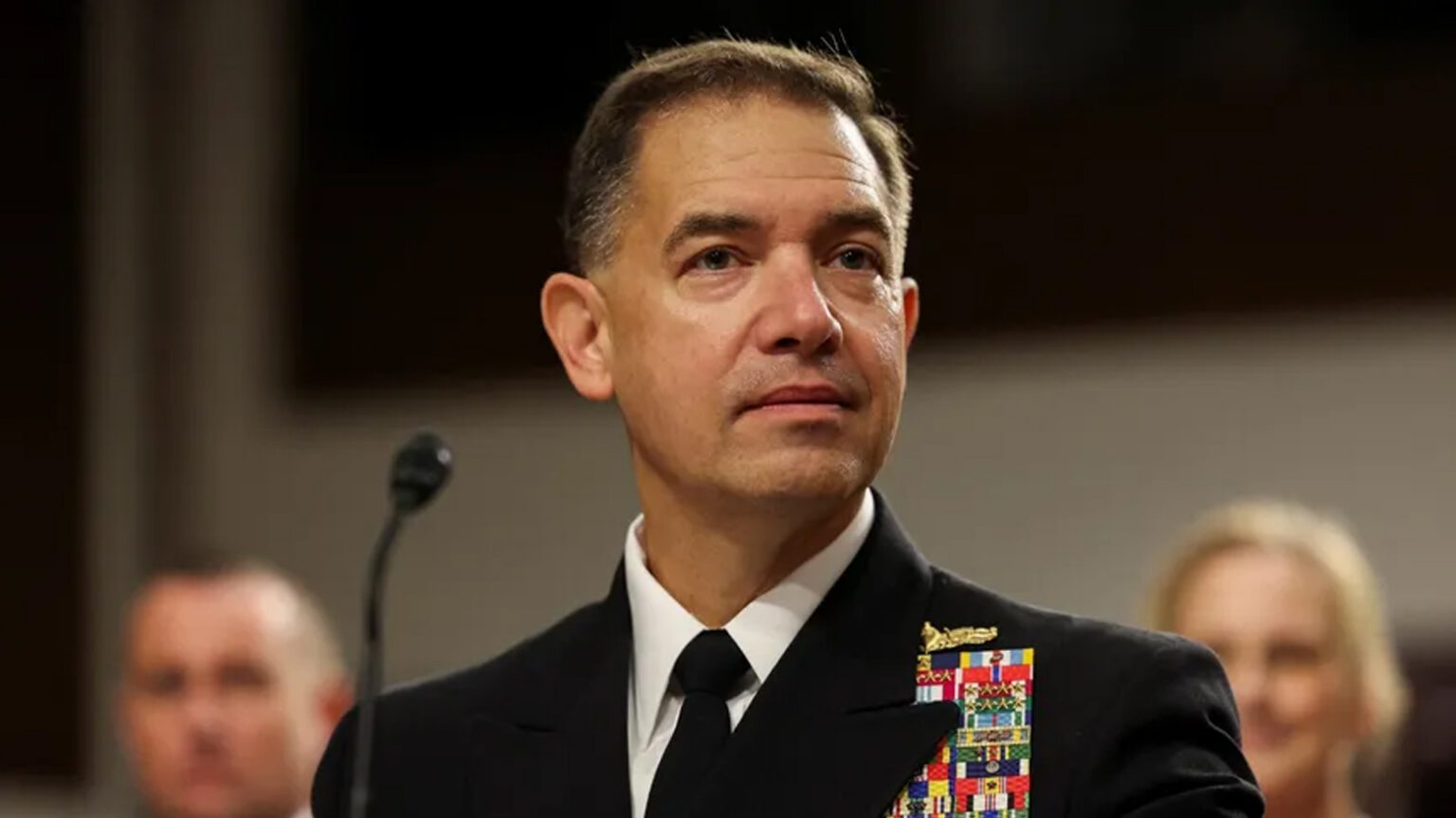
Rochester, NY: U.S. Central Command Commander Brad Cooper recently detailed the startling statistics in a video speech, including over 50,000 American soldiers, over 200 fighter aircraft, two aircraft carriers, and approximately 2,000 hit targets.
From the epicenter of the American military theater in the Middle East, Cooper detailed an unprecedented operation, specifying the deployment of thousands of munitions, the interception or destruction of hundreds of hostile missiles and drones, and the ongoing maritime and aerial campaign that was changing the face of the battlefield in the region.
Rather than being presented as a standard update, his remarks were intended to convey the strategic significance of the situation in the area. He indicated that the United States had dedicated a great deal of resources, including troops, firepower, and operational depth, to what he described as a decisive and continuing military phase.
The video, released by CENTCOM on March 3, 2026, is part of what the U.S. military refers to as Operation Epic Fury — a comprehensive campaign involving ongoing strikes against Iranian military infrastructure in response to the recent escalation of hostilities.
In his address, Cooper highlighted the extensive scope and significant scale of the campaign, characterizing it as “unprecedented” in the context of recent U.S. military history.
He noted the deployment of over 50,000 American troops, 200 fighter aircraft, and two aircraft carriers, which he identified as indicative of the largest U.S. military buildup in the Middle East in decades.
In this context, Cooper outlined that U.S. forces have engaged nearly 2,000 targets within Iranian territory, utilizing over 2,000 munitions in a series of coordinated air and naval operations.
The campaign has significantly compromised Iran’s air defenses and resulted in the destruction of numerous ballistic missiles, launchers, and unmanned aerial vehicles that are considered threats to U.S. and allied forces.
Cooper emphasized the total neutralization of Iran’s naval war-fighting capability in critical waterways, stating that all 17 major Iranian vessels, including a submarine, had been destroyed.
This action effectively stripped Tehran of a conventional maritime force in the Arabian Gulf, Strait of Hormuz, and Gulf of Oman.
Cooper provided a straightforward assessment of Iranian retaliation, noting that Tehran had executed over 500 ballistic missile launches and more than 2,000 drone attacks.
However, he argued that Tehran’s ability to target U.S. forces and regional allies was diminishing, even as Washington’s military strength was on the rise.
In the video, the CENTCOM commander positioned the operation as a component of a long-term strategic campaign rather than a mere temporary escalation. “We’ve just begun,” he stated, expressing a clear commitment to identify and address the remaining mobile ballistic missile launchers and other potential threats.
This language indicates a commitment that extends beyond initial strikes and highlights a significant transition from deterrence to proactive military involvement in the region.
The address presented a complex narrative, acknowledging both the sacrifices of fallen and wounded service members and illustrating the U.S. forces’ efforts to enhance their operational superiority over adversary capabilities.
Cooper began by expressing condolences to the families of U.S. personnel who lost their lives or wounded, positioning the current actions within a serious framework of sacrifice and military professionalism.
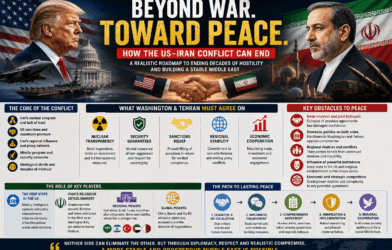
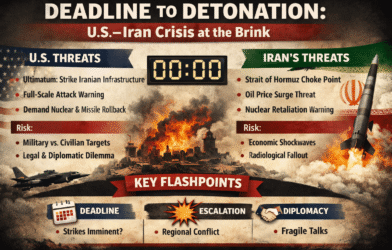
The release of this video occurs during a period of increased global examination, as both world capitals and regional centers assess the ramifications of a growing U.S.–Iran confrontation that has already altered diplomatic stances throughout the Middle East.
Cooper’s address, while primarily operational, functions as a strategic communication directed towards both international audiences and military personnel. It highlights U.S. resolve, capability, and the unequivocal objectives established by the Pentagon and White House.
As the conflict progresses, experts indicate that Cooper’s video offers a distinct insight into the perceptions of U.S. military leadership regarding the balance of power and the direction of the campaign.
The absence of an immediate conclusion to the operation indicates that Cooper’s message, characterized by a determined and proactive stance, implies that the United States anticipates the ongoing confrontation will significantly influence the geopolitical dynamics of the Middle East for an extended period, potentially spanning weeks or months.