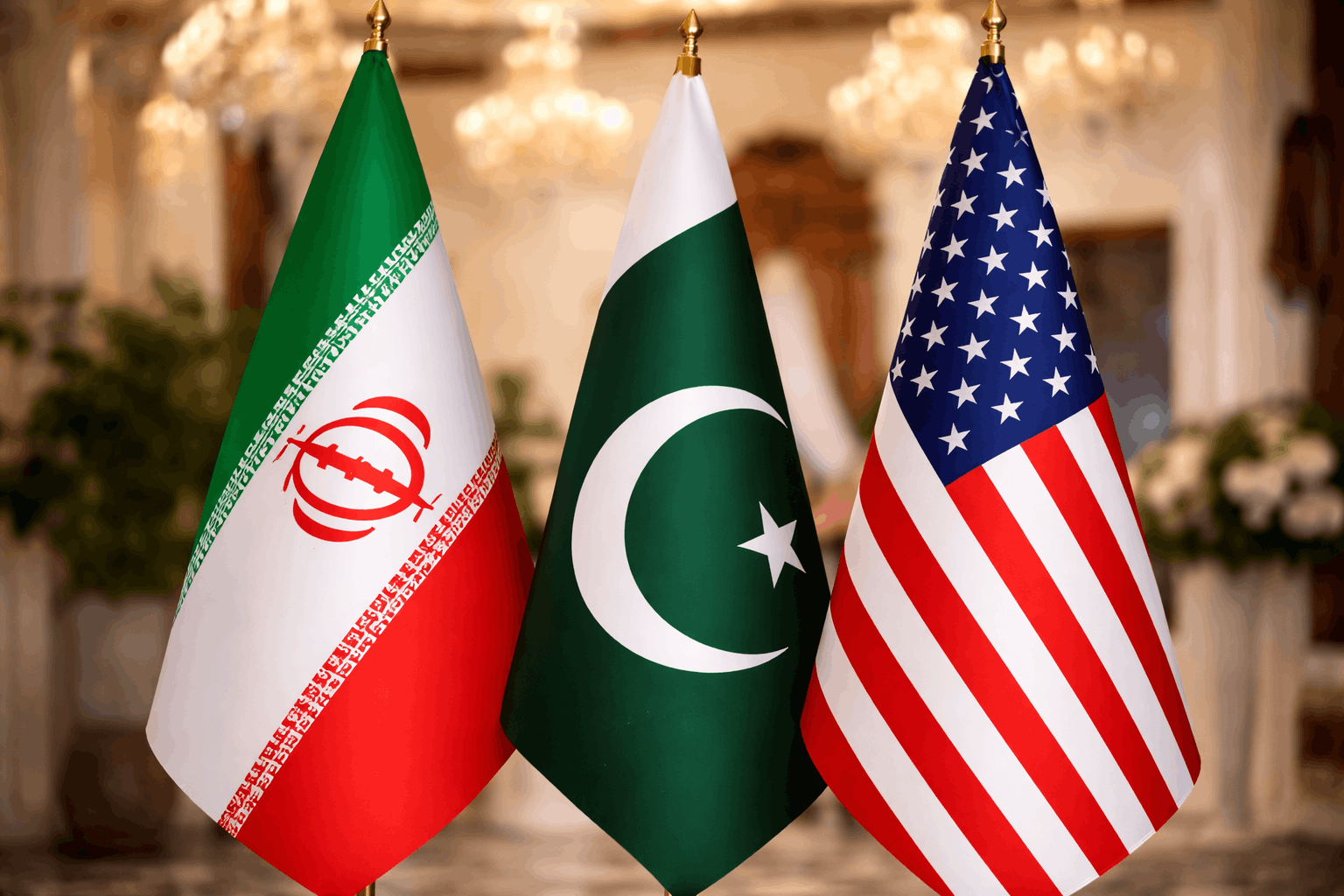
Rochester, NY/Islamabad, PK/Tehran, IR: In a significant diplomatic development, the Islamic Republic of Iran has stated that formal negotiations with the United States to seek an end to the ongoing conflict will begin in Islamabad, Pakistan, on Friday, April 10, 2026. Tehran’s announcement follows an agreement by both sides to a two-week ceasefire and comes amid intensive mediation efforts led by Pakistan’s government.
The Iranian Supreme National Security Council said in a statement that the talks will be based on a 10-point peace proposal that Tehran has presented and which, it claims, Washington has accepted “in principle” as the framework for discussions.
Iranian officials have framed the upcoming negotiations as an opportunity to secure a comprehensive and lasting peace rather than a temporary cessation of hostilities.
The Supreme National Security Council, in announcing the talks, described the 10-point proposal as the foundation for substantive negotiations and indicated that the ceasefire could be extended if progress is made.
Iran’s ambassador to Islamabad, Reza Amiri Moghadam, underscored Pakistan’s role as a facilitator, describing the process as entering a “critical, sensitive stage” and urging observers to remain attentive to developments.
While Tehran has welcomed the Islamabad talks, other Iranian statements — such as those by senior diplomatic figures — have emphasized that negotiations must proceed on the basis of mutual respect and address core grievances, including sanctions relief and regional security issues.
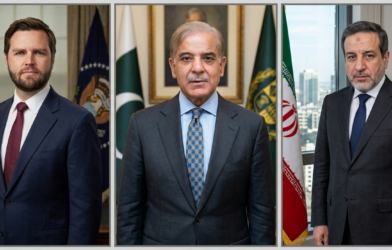
Pakistan has publicly embraced its role as a mediator in the dispute. Prime Minister Shehbaz Sharif formally invited both the United States and Iran to participate in the Islamabad talks, expressing hope that they will “settle all disputes” and achieve sustainable peace.
Sharif characterized the ceasefire agreement as covering “everywhere” — a reference to the broader region, including conflict zones beyond Iran’s immediate borders.
The Pakistani leadership has positioned Islamabad as a neutral venue and stressed the importance of diplomacy at a moment when regional tensions have escalated significantly.
While the United States government has not published a detailed public statement mirroring Iran’s characterization of the 10-point agenda, U.S. officials have acknowledged the ceasefire and the upcoming negotiations.
President Donald Trump described Iran’s proposal as a “very significant step” toward de-escalation, even as he indicated that certain elements remain subject to negotiation.
According to reporting from U.S. media, senior U.S. diplomats — including Vice President Mike Vance, expected to lead the American delegation in Islamabad — are preparing for intensive discussions focused on both ending hostilities and laying the groundwork for a longer-term settlement.
Central to Iran’s diplomatic overture is a 10-point agenda that Tehran has put forward as the basis for peace talks.
According to summaries of the proposal, the agenda includes broad demands such as ending all conflicts involving Iran and its neighbors, reopening and ensuring security in the Strait of Hormuz, lifting sanctions on Iran, releasing Iranian assets frozen abroad, and securing commitments on regional stability.
Although Iran asserts that the United States has accepted these points “in principle,” experts caution that many elements — particularly those involving sanctions relief and control over strategic waterways — will be among the most contentious issues in the upcoming negotiations.
The Islamabad talks represent the first in-person negotiations between Tehran and Washington since the outbreak of broader hostilities. The temporary ceasefire, agreed for an initial period of two weeks, offers a narrow window for progress and places pressure on both sides to find common ground.
Observers note that while the ceasefire and the agreed framework are important diplomatic steps, fundamental disagreements over sanctions, military presence, and regional influence remain unresolved. The success of the Islamabad negotiations will likely depend on the ability of both parties to reconcile these differences and translate broad principles into actionable commitments.