Rochester, NY: The continuation of Israeli strikes in Lebanon despite a newly announced U.S.–Iran ceasefire exposes a fundamental contradiction at the heart of current Middle Eastern geopolitics. While Washington and Tehran attempt to de-escalate a direct confrontation, Israel’s parallel military campaign against Hezbollah risks collapsing the diplomatic track before it can mature.
The situation highlights a structural reality: the conflict is not bilateral but part of a wider regional network of state and proxy actors, where any ceasefire excluding key fronts—particularly Lebanon—remains inherently unstable.
The Israeli government has made it unequivocally clear that its military operations in Lebanon will continue irrespective of the U.S.–Iran truce. Prime Minister Benjamin Netanyahu publicly stated that the ceasefire “does not include Lebanon,” reinforcing Israel’s strategic distinction between Iran as a state adversary and Hezbollah as an immediate operational threat.
Israeli Defense Minister Israel Katz and military officials have justified the ongoing strikes as essential to dismantling Hezbollah’s infrastructure, describing the campaign as a necessary continuation of Israel’s broader security doctrine.
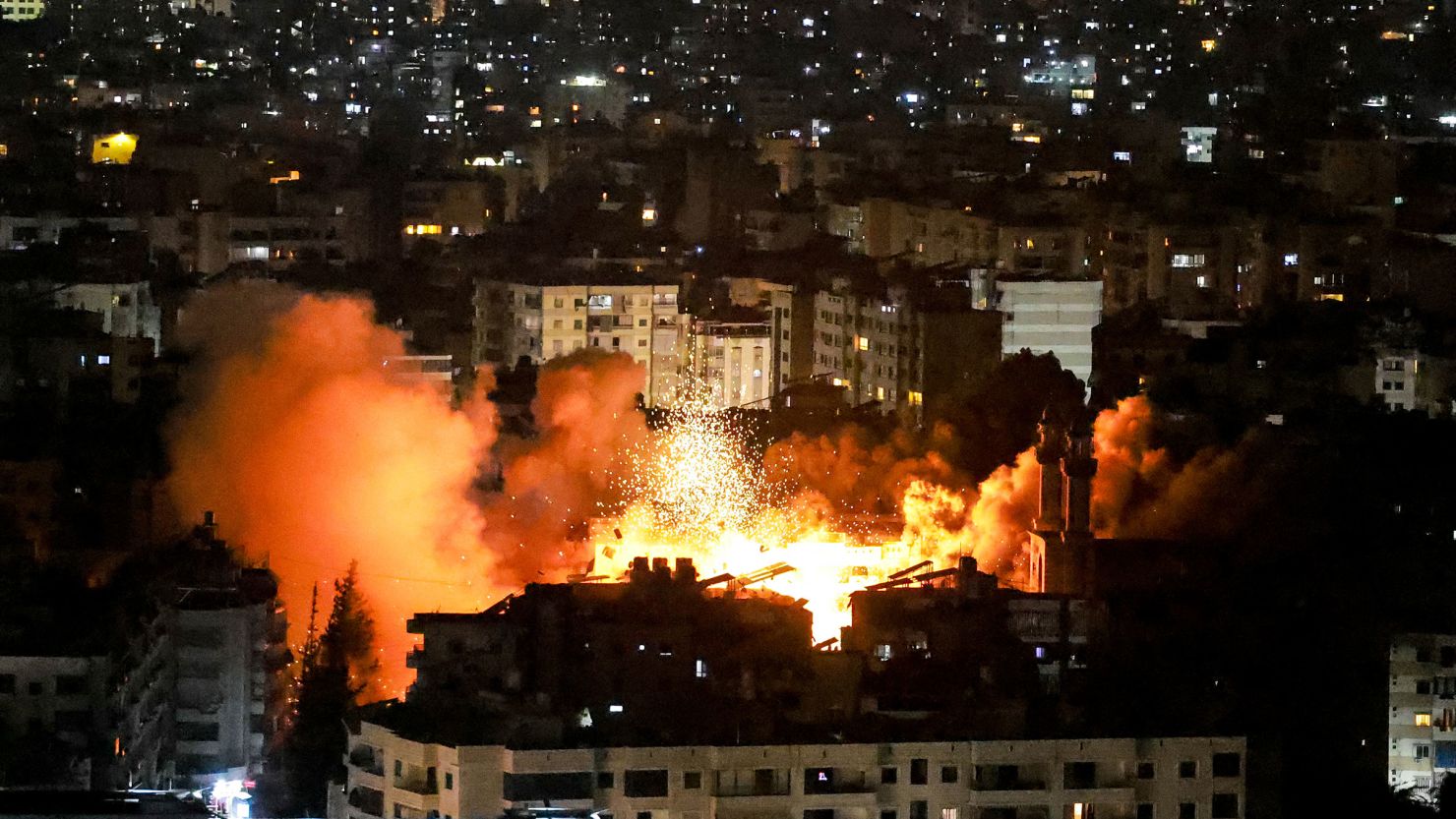
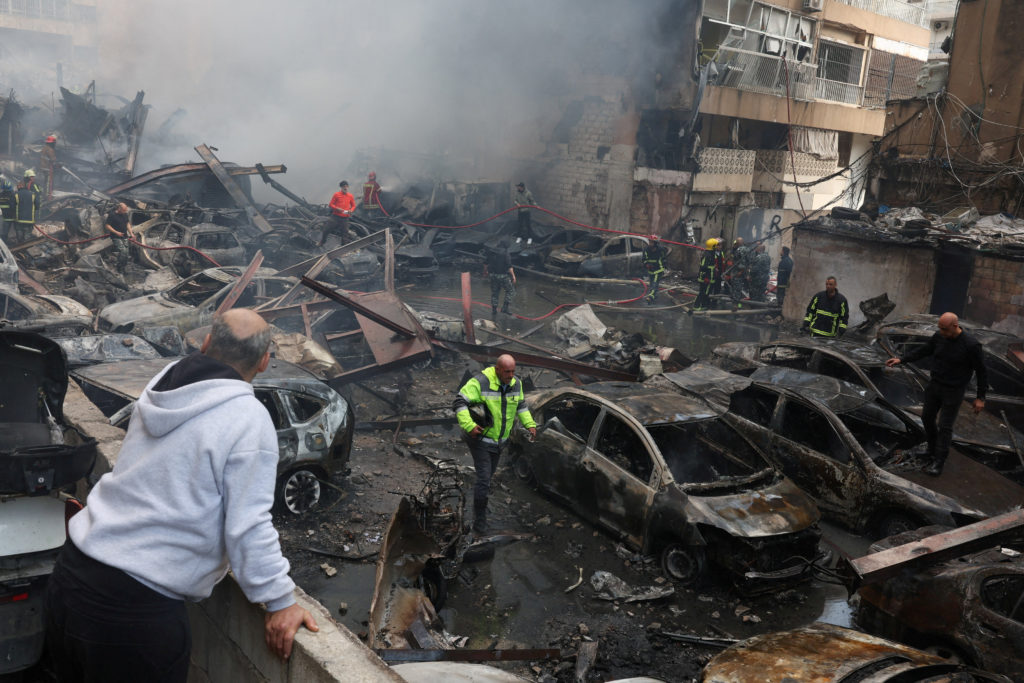
The Israeli military has reportedly targeted command centers, missile systems, and leadership nodes across Beirut, the Bekaa Valley, and southern Lebanon, emphasizing that the “battle in Lebanon continues.”
Netanyahu has further underscored that the ceasefire with Iran is tactical rather than strategic, warning that Israel remains ready to resume full-scale war, with its “finger on the trigger.” This reflects a long-standing Israeli assessment that Hezbollah represents the most immediate and geographically proximate extension of Iranian power.
From Tehran’s perspective, the exclusion of Lebanon from the ceasefire framework is unacceptable. Iranian officials, including Foreign Minister Abbas Araghchi and parliamentary leadership figures, have insisted that any meaningful ceasefire must encompass Hezbollah operations.
Iran has accused both Israel and the United States of violating the agreement by allowing continued strikes in Lebanon.
Iranian leadership views Hezbollah not merely as an ally but as a central pillar of its regional deterrence architecture. The doctrine of “forward defense” positions Hezbollah as a frontline force capable of projecting Iranian influence and countering Israeli military superiority.
Statements from Iranian officials emphasize that ongoing Israeli attacks in Lebanon are seen as direct violations of the ceasefire spirit, with warnings that such actions could derail negotiations entirely.
The ideological and strategic continuity within Iran’s leadership—particularly under figures like Mojtaba Khamenei, who is widely perceived as influential within the power structure—suggests that Tehran is unlikely to abandon Hezbollah. Instead, Iran is expected to reinforce its support, both politically and militarily, framing the conflict as resistance against Israeli and American aggression.
Hezbollah’s position further complicates the ceasefire dynamic. The group initially signaled restraint following the announcement of the U.S.–Iran truce but has warned that continued Israeli strikes would trigger renewed retaliation.
Historically and operationally, Hezbollah acts as Iran’s most capable non-state proxy, deeply embedded in Lebanon’s political and military landscape. Its involvement transforms any Israel–Iran confrontation into a multi-front war.
The group’s leadership has reiterated its commitment to confronting Israel, aligning its actions with Tehran’s broader strategic objectives.
This creates a paradox: while Iran negotiates diplomatically, its proxy remains actively engaged militarily, thereby undermining the very ceasefire Tehran is attempting to secure.
The continuation of Israeli strikes in Lebanon threatens to unravel the U.S.–Iran ceasefire in several critical ways. First, it exposes ambiguity in the agreement’s scope. While U.S. officials have suggested that Lebanon was not explicitly included, Iran and mediators such as Pakistan insist that it was.
Second, it places immediate pressure on Iran’s negotiating position. Tehran faces domestic and regional expectations to respond to Israeli actions, limiting its flexibility in talks. Iranian officials have already described the ceasefire conditions as “unreasonable” under current violations.
Third, the situation risks triggering a cycle of escalation. Israeli strikes provoke Hezbollah retaliation, which in turn could draw Iran back into direct confrontation, effectively collapsing the ceasefire framework.
The United States finds itself navigating a complex balancing act. On one hand, the administration seeks to preserve the ceasefire as a pathway toward broader negotiations with Iran, particularly concerning nuclear and regional security issues. On the other hand, Washington remains committed to Israel’s security and its right to act against Hezbollah.
U.S. Vice President J.D. Vance acknowledged that Israel had offered to restrain its strikes to support negotiations, but this restraint has been inconsistent, reflecting deeper coordination challenges. The U.S. has also denied that Lebanon was formally part of the ceasefire, further widening the interpretative gap with Iran.
This ambiguity suggests that the U.S. strategy may involve compartmentalizing conflicts—treating Iran and Hezbollah as separate tracks—yet this approach struggles against the integrated reality of Iran’s proxy network.
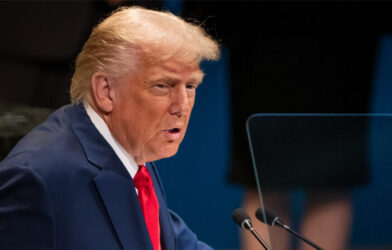
The influence of President Donald Trump on Israeli policy is significant but not absolute. The U.S.–Israel relationship remains deeply strategic, with strong military and intelligence coordination. However, recent reports indicate that Israel was not fully aligned with the timing or scope of the ceasefire announcement, suggesting limits to U.S. leverage.
Netanyahu’s government appears willing to support U.S. diplomatic efforts with Iran while simultaneously pursuing its own military objectives in Lebanon. This dual-track approach reflects Israel’s prioritization of immediate security threats over broader diplomatic considerations.
At the same time, Trump’s earlier alignment with Israeli strategic goals—including joint strikes against Iran—has reinforced Israel’s confidence in acting independently within the broader alliance framework.
The ongoing Israeli strikes in Lebanon reveal the inherent fragility of the U.S.–Iran ceasefire. As long as Hezbollah remains active and Israel continues to target it, the ceasefire will face constant strain. The conflict underscores a central geopolitical truth: regional wars involving proxy networks cannot be contained through bilateral agreements alone.
For the ceasefire to hold, the United States would need to bridge the gap between Israeli military objectives and Iranian strategic expectations—an increasingly difficult task. Without an inclusive framework that addresses Hezbollah’s role, the current agreement risks becoming a temporary pause rather than a pathway to lasting peace.