Contributed from Lahore, PK: Amir Sohail
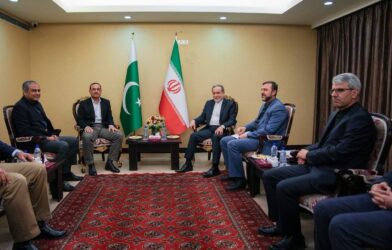
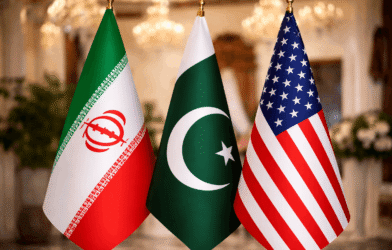
Rochester, NY: The planned U.S.–Iran ceasefire dialogue in Islamabad represents one of the most fragile and high-stakes diplomatic moments in recent Middle Eastern geopolitics. While Pakistan has projected confidence—preparing venues like the Serena Hotel and facilitating U.S. security coordination—the absence of visible Iranian security arrangements underscores a deeper uncertainty: the talks are structurally fragile even before they begin.
The backdrop to these negotiations is the recently announced two-week ceasefire between the United States and Iran, brokered by Pakistan after weeks of escalating conflict involving Israel and regional actors. This ceasefire is not a peace agreement but a tactical pause designed to create diplomatic space.
Pakistani Prime Minister Shehbaz Sharif publicly confirmed that both sides agreed to halt hostilities and were invited to Islamabad for negotiations aimed at a “conclusive agreement.”
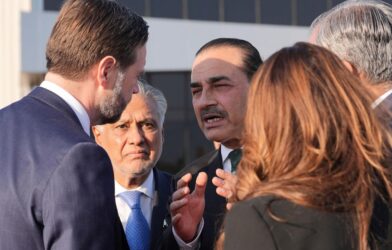
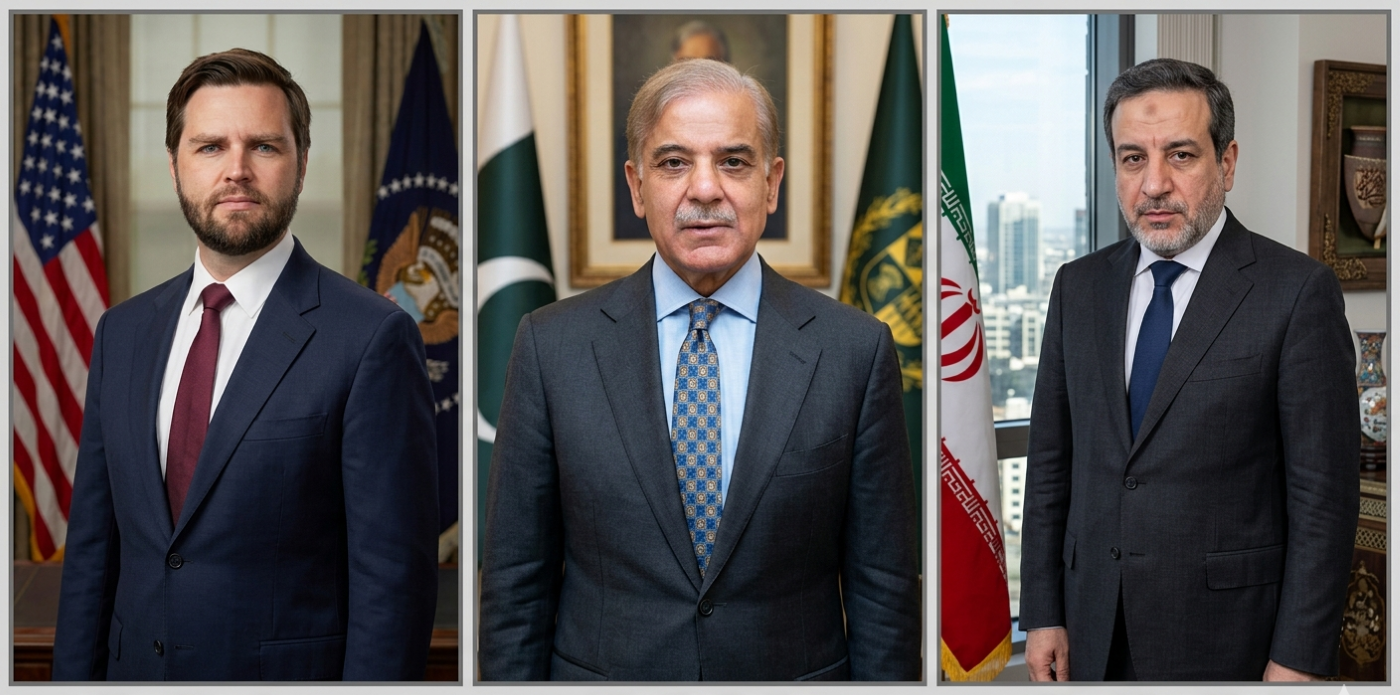
From the U.S. side, the seriousness of engagement is evident. Vice President JD Vance is expected to lead a high-level delegation, accompanied by key figures such as envoy Steve Witkoff and other senior officials.
Reports also indicate that American security personnel have already arrived in Pakistan to secure the venue and ensure operational safety—reflecting Washington’s intent to proceed, albeit cautiously.
However, the Iranian posture remains ambiguous and strategically calculated. Tehran has consistently signaled distrust toward temporary ceasefires, emphasizing instead the need for a permanent settlement that includes sanctions relief, security guarantees, and recognition of its regional role.
Even within the current framework, Iranian officials have complained that parts of the preliminary agreement were violated and have questioned whether negotiations are “reasonable” under ongoing Israeli military actions in Lebanon.
This explains the reported absence of Iranian security advance teams: it is less a logistical delay and more a diplomatic signal that participation is conditional, not guaranteed.
Pakistan’s role is central but precarious. Islamabad has attempted to position itself as a neutral mediator, leveraging its relationships with Washington, Tehran, and Beijing. Backchannel diplomacy led by military and intelligence leadership reportedly prevented the collapse of talks at multiple stages.
Prime Minister Shehbaz Sharif has framed the ceasefire as a “remarkable” step toward peace, while urging all parties to sustain restraint for at least two weeks to allow diplomacy to take root.
Yet Pakistan’s balancing act is delicate: it must reassure the U.S. on security while maintaining credibility with Iran, which remains skeptical of Western intentions.
On the American political front, reactions reflect both cautious optimism and strategic concern. Senator Jeanne Shaheen, a senior member of the Senate Foreign Relations Committee, welcomed the ceasefire as a necessary de-escalation but warned that the conflict may have strengthened hardliner elements in Iran and potentially accelerated nuclear ambitions.
Meanwhile, President Donald Trump has characterized Iran’s proposal as a “workable basis” for negotiation, while maintaining pressure on issues like uranium enrichment and regional influence.
The security dynamics surrounding Islamabad further complicate the picture. Pakistan has experienced intense domestic reactions during the conflict, including violent protests targeting U.S. diplomatic sites earlier in the war, highlighting the real risks facing any American delegation.
This context explains the heavy U.S. security footprint and possibly Iran’s hesitation to commit visibly without guarantees.
In strategic terms, the upcoming talks are less about immediate peace and more about defining the framework of future conflict or coexistence. Key unresolved issues include Iran’s nuclear program, control and security of the Strait of Hormuz, sanctions relief, and the role of proxy groups like Hezbollah.
The continued Israeli strikes in Lebanon remain a major spoiler, as Iran has tied its participation to a broader regional de-escalation.
The uncertainty surrounding Iran’s delegation—mirrored in the lack of security preparations—signals that the Islamabad dialogue may either become a historic diplomatic breakthrough or collapse before it formally begins.
Ultimately, the success of these talks will depend on whether the ceasefire can hold long enough to build minimal trust between two adversaries whose conflict has defined global geopolitics for decades.