Courtesy: Reporting Contribution by Ghulam Murtaza [A Senior journalist from Islamabad, Pakistan]
Rochester, NY/Islamabad, PK: In a rapidly evolving diplomatic landscape, high-level Iranian and American engagements appear to be unfolding on parallel but increasingly diverging tracks, with significant activity centered in Islamabad.
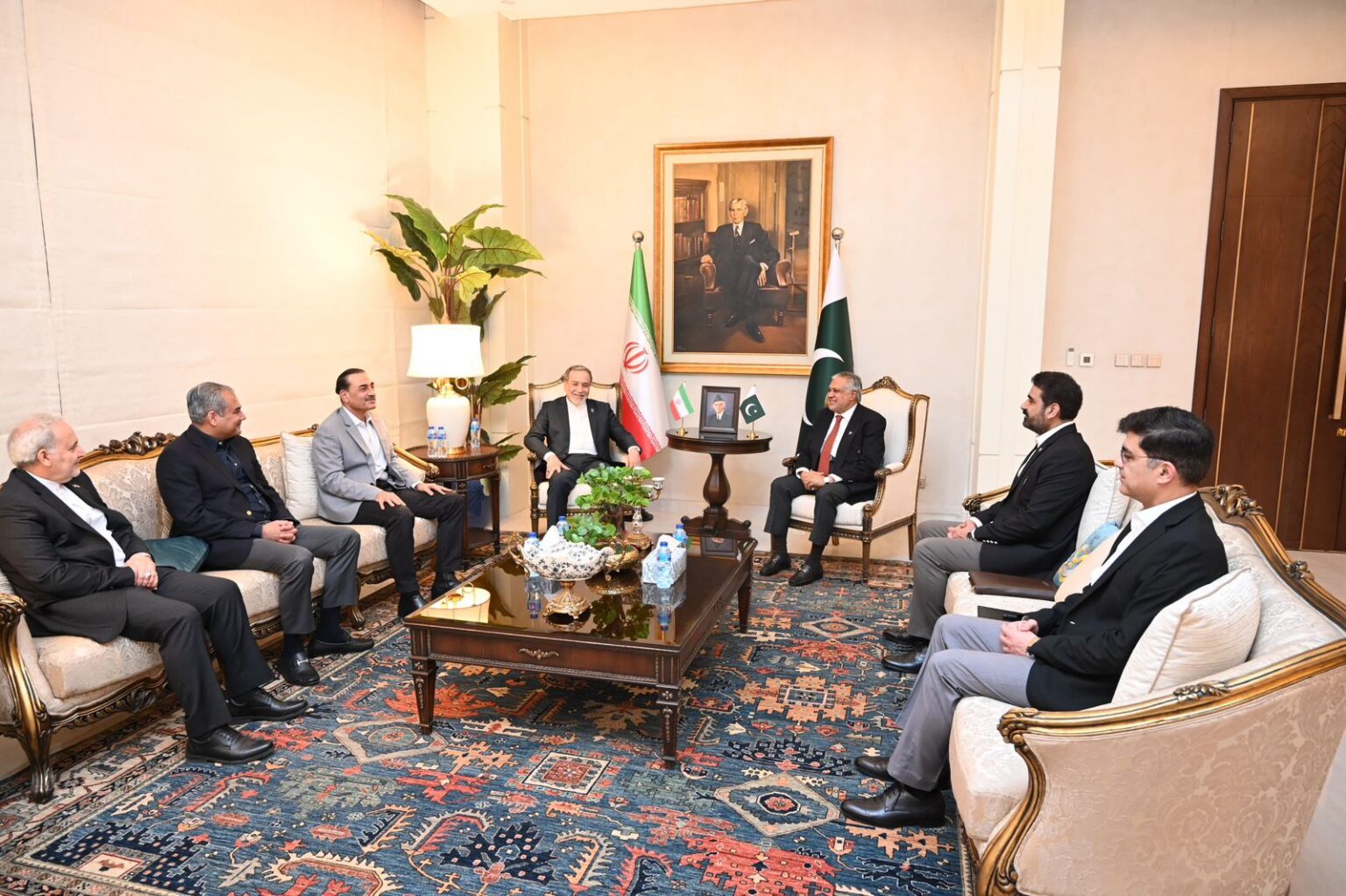
According to diplomatic sources and regional reporting, an Iranian delegation held a series of meetings in the Pakistani capital aimed at coordinating political messaging and regional consultations, just as a second round of discussions involving a United States delegation prepares to enter the same diplomatic corridor.
The timing of these developments has drawn attention, not only for the proximity of the two diplomatic tracks but also for the apparent decision by Iran’s foreign minister to disengage from any direct contact with the incoming US delegation and instead proceed to Moscow for a separate high-level engagement with Russian leadership.
The Iranian delegation’s visit to Islamabad is being interpreted as part of Tehran’s broader effort to consolidate regional diplomatic support amid ongoing tensions with Washington.
Meetings reportedly focused on regional security dynamics, energy market stability, and evolving geopolitical alignments in the Middle-East and Eurasia.
Pakistan, historically maintaining ties with both Iran and the United States, once again finds itself positioned as a quiet diplomatic intermediary space, though officials have not publicly confirmed any formal mediation role in the US–Iran track.
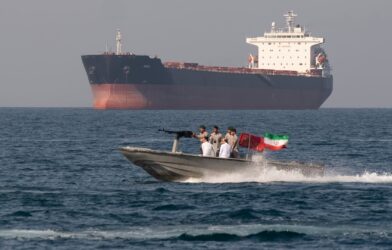
Simultaneously, a US delegation is expected to arrive for what is being described as a second round of exploratory talks, aimed at addressing a narrow set of issues including regional de-escalation mechanisms, maritime security concerns, and indirect communication channels between Washington and Tehran.
However, the absence of Iran’s top diplomat from this round signals a potential cooling of momentum in direct engagement. Analysts suggest that this could reflect internal Iranian strategic recalibration rather than a complete breakdown in dialogue.
In a notable development, Iran’s foreign minister is reportedly set to leave Islamabad without meeting the US delegation and instead travel to Moscow for a scheduled meeting with Russia’s foreign minister.
The decision underscores Tehran’s continued emphasis on its strategic partnership with Russia at a time when global alignments are increasingly fragmented. The Moscow talks are expected to focus on bilateral cooperation, regional conflict zones, sanctions pressures, and coordination within multilateral frameworks.
Diplomatic observers interpret this move as a signal that Iran is not fully disengaging from diplomacy with the West, but is prioritizing parallel tracks that strengthen its negotiating leverage.
The simultaneous presence of Iranian and US diplomatic activity in Islamabad—yet without direct interaction—highlights the increasingly layered nature of current international negotiations. Rather than a single negotiating table, the process appears fragmented across multiple capitals, with each side managing optics, alliances, and pressure points separately.
Iran’s decision to pivot toward Moscow at this stage may also reflect an attempt to reinforce its geopolitical alignment ahead of any potential escalation or renewed sanctions pressure from Washington. Meanwhile, the US approach of continuing second-round talks suggests an interest in keeping diplomatic channels open, even in the absence of senior Iranian participation.
While neither side has signaled a formal breakdown in communication, the current sequence of events suggests a cautious and uneven diplomatic rhythm. The effectiveness of the second round of US–Iran talks may now depend on lower-level channels or indirect intermediaries, as Tehran deepens consultations with its strategic partners in Eurasia.
For now, Islamabad remains an unexpected focal point in this evolving diplomatic equation—hosting overlapping conversations that reflect both the persistence and fragmentation of modern geopolitical negotiation.
Stay informed with The Variant for in-depth analysis, breaking developments, and expert perspectives on the stories shaping our world.