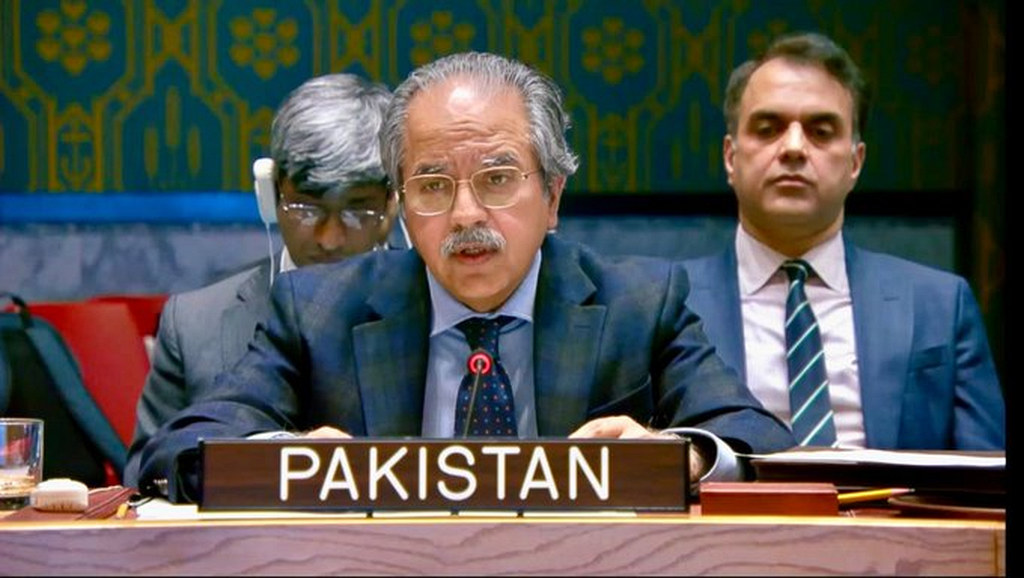
New York City, NY: The latest diplomatic signals emerging from New York place Asim Iftikhar Ahmad, Pakistan’s Permanent Representative to the United Nations, at the center of a quiet but consequential effort to prevent a wider regional rupture.
As tensions between Tehran and Washington, D.C. continue to simmer, Pakistan appears to be positioning itself as a pragmatic intermediary—less visible than major powers, yet potentially more acceptable to both sides.
Ahmad’s assertion that Islamabad is “continuing efforts to de-escalate tensions” reflects a broader recalibration in Pakistan’s foreign policy. Historically caught between competing geopolitical pressures, Pakistan is now attempting to leverage its diplomatic channels with both Iran and the United States to play a stabilizing role.
Unlike overt mediation initiatives that often attract political resistance, Pakistan’s approach appears deliberately understated—focused on backchannel engagement, confidence-building, and preventing miscalculations rather than brokering grand agreements.
This approach is not without precedent. Pakistan has long maintained a delicate balancing act between its western neighbor Iran and its strategic ties with Washington. What distinguishes the current moment, however, is the heightened fragility of the regional environment.
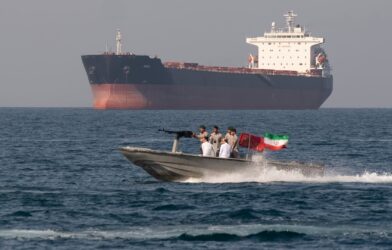
The Strait of Hormuz crisis has amplified global anxieties, and any escalation risks triggering not just military confrontation but systemic economic shocks.
In this context, Pakistan’s diplomatic engagement is less about ambition and more about necessity. A destabilized Gulf directly threatens Pakistan’s economic interests, energy security, and internal stability.
Ahmad’s messaging at the United Nations also underscores a subtle but important shift: Pakistan is framing itself not merely as a regional stakeholder, but as a responsible international actor invested in global stability.
By using the UN platform, Islamabad is signaling that de-escalation is not a bilateral favor but a multilateral imperative. This framing enhances Pakistan’s diplomatic credibility while avoiding the perception of alignment with any one side.
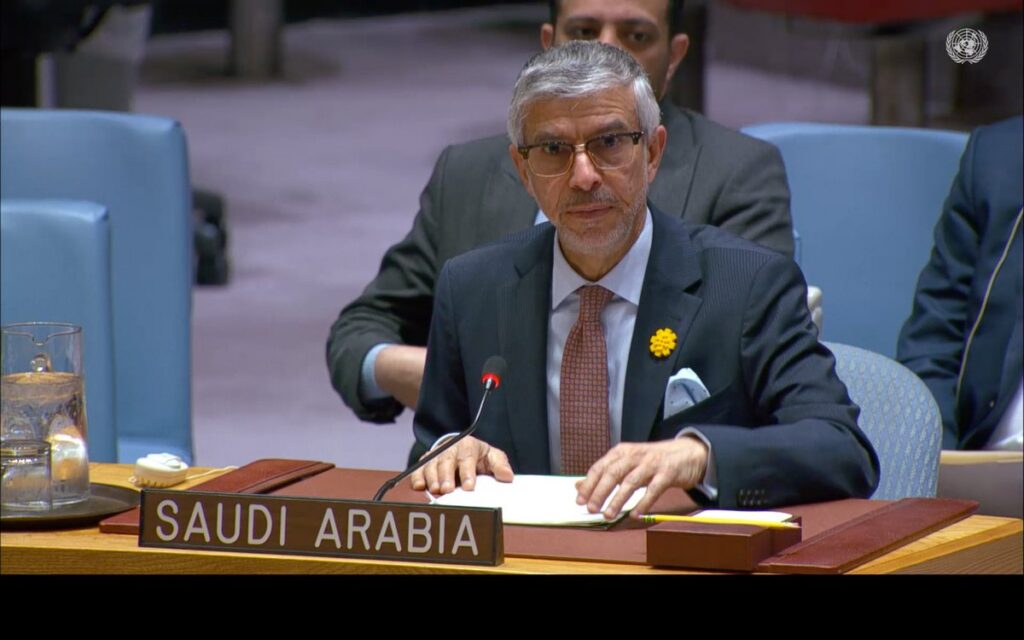
In contrast, the intervention by Saudi Arabia UN Mission introduces a more alarm-driven narrative. The Saudi envoy’s warning about risks to global trade and energy security highlights the economic stakes of the Hormuz crisis.
Given Saudi Arabia’s central role in global oil markets, such concerns are both expected and strategically communicated. Riyadh’s emphasis is less on mediation and more on the consequences of instability—particularly disruptions to trade flows through the Strait, which could send shockwaves across global markets.
Yet, the Saudi position operates on a different wavelength than Pakistan’s. While Islamabad is attempting to quietly reduce tensions at their source, Riyadh is amplifying the potential fallout.
This divergence reflects differing strategic priorities. For Saudi Arabia, the crisis underscores the vulnerability of global energy infrastructure and reinforces its calls for stronger international safeguards.
For Pakistan, the immediate objective is to prevent escalation altogether, recognizing that even limited conflict could have disproportionate regional consequences.
The interplay between these two approaches reveals a broader diplomatic landscape shaped by layered interests. Pakistan’s low-profile engagement may prove more effective precisely because it avoids the optics of power politics.
Its relationships with both Iran and the United States, though complex, provide channels that more polarizing actors lack. Meanwhile, Saudi Arabia’s warnings serve as a reminder of the high stakes involved, ensuring that the international community remains alert to the economic dimension of the crisis.
Ultimately, the significance of Ahmad’s statement lies not in dramatic breakthroughs but in sustained effort. De-escalation in such a volatile environment is rarely the result of a single initiative; it is the product of continuous, often invisible diplomacy.
Pakistan’s role, as articulated at the United Nations, suggests a commitment to that process—one that prioritizes stability over spectacle.
As the Hormuz crisis continues to test the resilience of global systems, the contrast between Pakistan’s quiet mediation and Saudi Arabia’s cautionary messaging encapsulates the dual nature of international response: one seeking to prevent the fire, the other warning of its spread.
Whether these efforts converge into meaningful de-escalation will depend on the willingness of Tehran and Washington to engage—not just through power, but through patience.
Keep reading the facts and figures at our news blog.