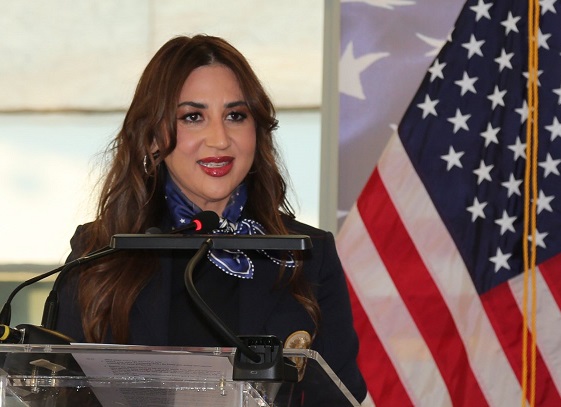
Rochester, NY/Islamabad, PK: In the evolving chessboard of South Asian and Middle Eastern geopolitics, few diplomatic figures currently embody operational engagement as actively as Natalie A. Baker, the U.S. Chargé d’Affaires and Deputy Chief of Mission in Pakistan.
At a time when tensions between United States and Iran continue to shape regional security dynamics, Baker’s role transcends ceremonial diplomacy—positioning her as a key architect of quiet negotiations and strategic alignment.
Natalie Baker represents the archetype of a modern American career diplomat—technically skilled, regionally experienced, and strategically deployed. She assumed her responsibilities in Islamabad in August 2024 and later became Chargé d’Affaires in January 2025, effectively leading the U.S. mission in Pakistan.
Her academic foundation—Princeton University and Harvard’s public policy program—combined with her distinction as a National War College graduate, reflects a blend of intellectual rigor and security-oriented training . However, it is her field experience that defines her strategic value.
Before Islamabad, Baker served in critical diplomatic theaters:
- Deputy Chief of Mission in Doha
- Charge d’Affaires in Libya
- Iran Regional Presence Office in Dubai
- Economic Counselor in Kuwait City
These assignments collectively positioned her at the intersection of Gulf security, Iranian diplomacy, and post-conflict statecraft—precisely the expertise required in today’s geopolitical climate.
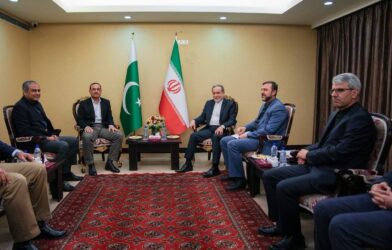
Since assuming office, Baker has demonstrated an unusually active engagement pattern with Pakistan’s civilian and military leadership. Her meetings with key stakeholders—including high-level interactions with Pakistan’s foreign ministry leadership—highlight a deliberate U.S. strategy to use Islamabad as a diplomatic bridge.
Pakistan’s geopolitical positioning—bordering Iran, maintaining ties with China, and historically aligned with the United States—makes it a crucial intermediary. Baker’s frequent engagements are not routine diplomacy; they are calibrated efforts to:
- Align Pakistan’s strategic posture with U.S. regional objectives
- Encourage facilitation channels between Washington and Tehran
- Ensure that any dialogue between U.S. and Iranian officials remains structured and outcome-driven
Her outreach reportedly spans both political leadership and the military establishment—acknowledging Pakistan’s hybrid power structure where security institutions remain central to foreign policy decisions.
The US–Iran Dimension: Quiet Diplomacy through Islamabad
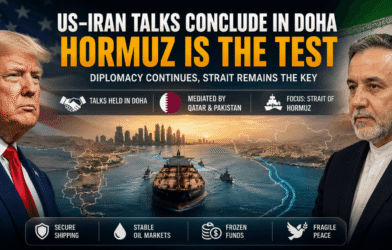
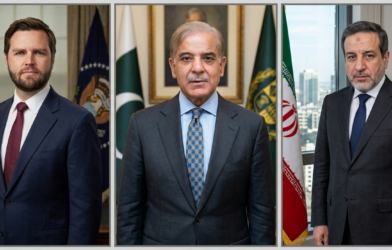
The most critical dimension of Baker’s current role lies in her indirect yet influential involvement in U.S.–Iran de-escalation efforts.
While formal negotiations may occur elsewhere, Islamabad under Baker’s stewardship is emerging as a backchannel coordination hub. Her previous experience with Iran-related portfolios, particularly in Dubai and regional policy frameworks, gives her a nuanced understanding of Tehran’s strategic calculus.
From an analytical standpoint, her approach appears to follow three layered objectives:
- Stabilization through Regional Intermediaries
- Instead of direct confrontation, Washington is increasingly relying on partners like Pakistan to manage communication gaps with Iran.
- Military-Diplomatic Synchronization
- Her frequent engagements with Pakistan’s military leadership suggest efforts to align security assurances, particularly regarding maritime routes, border tensions, and proxy dynamics.
- Result-Oriented Dialogue Framework
- Unlike past diplomatic cycles marked by prolonged stalemates, Baker’s strategy emphasizes measurable outcomes—reducing escalation risks, ensuring continuity in dialogue, and preventing spillover into broader regional conflict.
Beyond Bilateralism: Protecting U.S. Strategic Interests
Baker’s role must also be understood within the broader doctrine of U.S. foreign policy in the region—where South Asia and the Middle East are increasingly interconnected.
Her diplomatic footprint reflects three core U.S. priorities:
- Containment of regional instability, particularly involving Iran and its network of influence
- Protection of global trade routes, especially energy corridors linked to the Gulf
- Rebalancing alliances, where countries like Pakistan are repositioned as pragmatic partners rather than purely security-dependent allies
Her prior involvement in facilitating U.S. troop withdrawal logistics from Iraq and working across defense-related frameworks further reinforces her operational credibility.
Analytical Conclusion: A Diplomat Operating in the Grey Zone
Natalie A. Baker is not merely executing diplomatic protocol—she is operating within the “grey zone” of international relations, where formal policy meets informal negotiation.
Her frequent high-level meetings in Pakistan signal a shift from reactive diplomacy to proactive engagement. Islamabad, under her watch, is no longer just a bilateral partner—it is being recalibrated as a strategic platform for managing one of the most sensitive rivalries in global politics: the United States and Iran. In an era where wars are avoided as much through dialogue as deterrence, Baker’s role underscores a critical reality—modern diplomacy is no longer about visibility, but about influence exercised behind closed doors.