Courtesy: Reporting Contribution by Salman-Bin-Kareem [A Senior Journalist I Doha, Qatar]
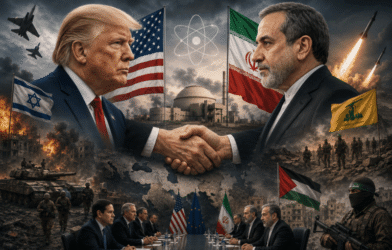
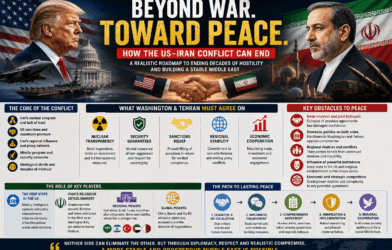
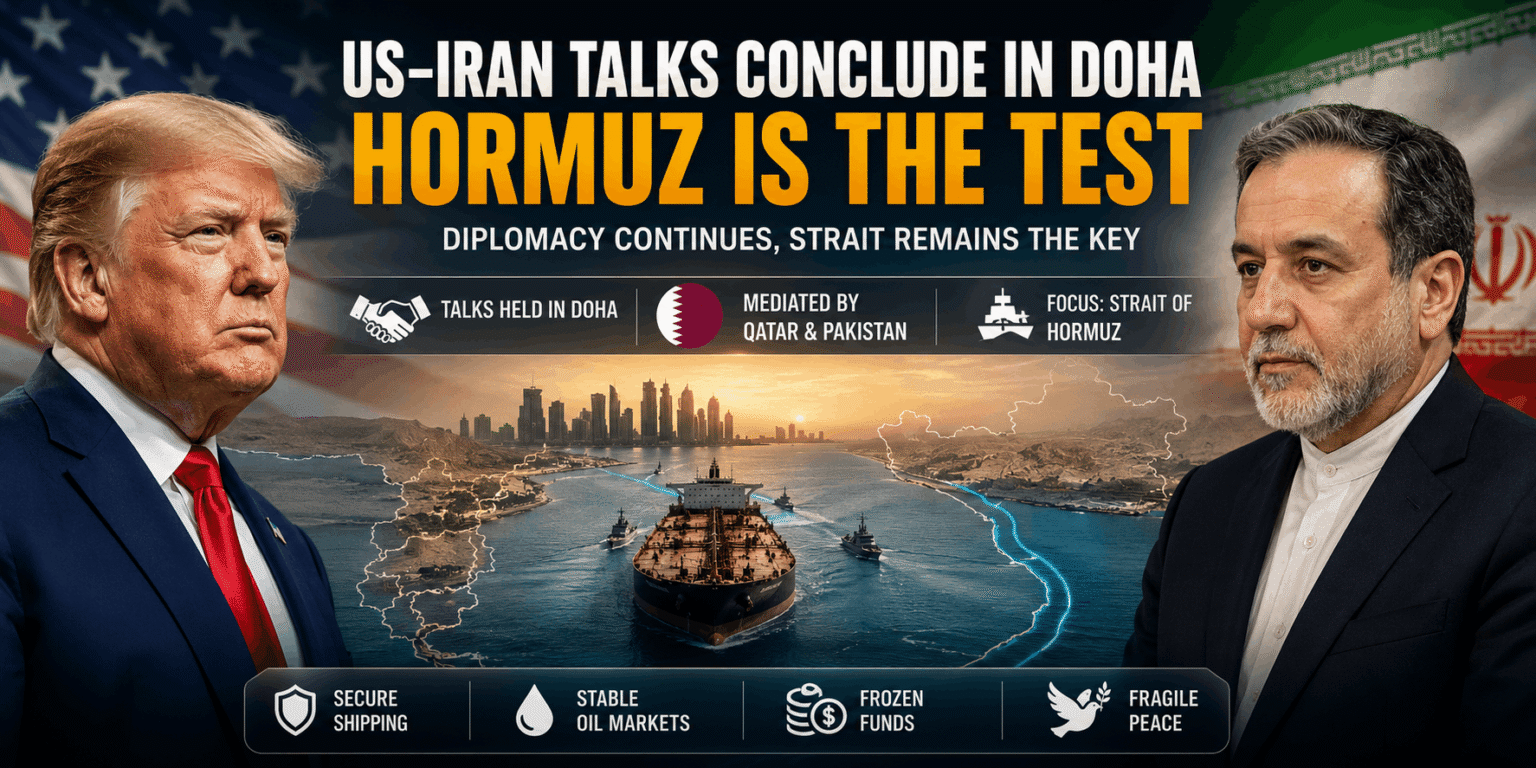
Rochester, NY/Doha, QR: The latest U.S.-Iran contacts in Doha did not produce a dramatic breakthrough, but they clarified one central reality: the future of the fragile peace process now depends less on public declarations and more on the Strait of Hormuz.
The talks, held indirectly through Qatari and Pakistani mediators, focused mainly on maritime traffic, the reopening and security of shipping lanes, and Iran’s demand over frozen funds, rather than a full nuclear settlement.
Reportedly, the round concluded with “positive progress,” but no major agreement.
The Doha meeting was important because it tested whether Washington and Tehran can manage practical disputes after weeks of military tension.
Sources confirmed that U.S. and Iranian sides held separate meetings in Qatar and agreed to continue discussions, while Iran avoided direct face-to-face talks with American officials.
This shows that both sides still want distance, deniability and political protection. For Washington, the priority is free navigation and preventing another oil shock.
For Tehran, the priority is recognition of its leverage over Hormuz, release of frozen funds, and protection of its regional position after the recent conflict.
Strait of Hormuz Is the Core Dispute
The Strait of Hormuz is not just a waterway; it is Iran’s strongest bargaining card. Tehran reportedly wants greater authority over shipping routes and has pushed the idea of charging transit or service fees.
The U.S. and Gulf states oppose any arrangement that looks like Iranian control over an international energy chokepoint.
Reportedly, Oman has floated a softer proposal involving voluntary navigation fees, but Western powers remain concerned about any precedent that allows Iran to monetize passage.
This is why the talks are so sensitive. Iran wants to convert military leverage into diplomatic recognition. The U.S. wants to convert the ceasefire into predictable shipping security without rewarding coercion.
Trump Administration’s Position: Progress, but No Blank Cheque
President Donald Trump has publicly downplayed the risk of renewed war and suggested that progress is being made with Iran.
However, available reporting indicates that the nuclear file was not the main subject of this Doha round. It is reported that the discussions were focused on Hormuz shipping and Iranian funds, not the broader nuclear program.
That gap matters. Trump’s political message is that diplomacy is working. But the technical reality is more limited: negotiators are still trying to prevent the Strait of Hormuz from becoming a battlefield again.
Iran’s Position: Sovereignty, Fees and Leverage
Iran is entering the talks with a clear strategy. It wants to show that no long-term regional arrangement can work without Tehran’s approval.
Iranian officials have insisted that the Strait’s management is a matter of sovereignty and regional security.
Sources revealed that Iran’s ambassador in Beijing said Tehran was working with Oman on “new arrangements” for the waterway, while the interim deal reportedly allowed commercial ships to transit free of charge for 60 days.
This means the current calm may be temporary. If there is no agreed formula before the interim period expires, Iran may again threaten fees, route restrictions or enforcement action.
Qatar and Pakistan’s Mediation Role
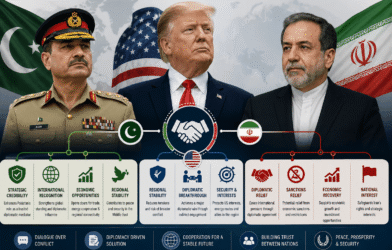
Qatar’s role is central because Doha can speak to both Washington and Tehran. Pakistan’s mediation role is also notable, especially after the Islamabad Memorandum of Understanding and the Lake Lucerne process referenced in regional reporting.
Qatar’s Foreign Ministry spokesman Majed al-Ansari said mediators concluded separate meetings with both sides and made positive progress on issues linked to the Islamabad MoU.
However, mediation is not the same as settlement. Qatar and Pakistan can keep channels open, but they cannot force Iran to abandon its Hormuz leverage or force Washington to accept Iranian tolls.
Shipping, Oil and the Risk of Miscalculation
The biggest danger is not only a deliberate war but a maritime mistake. Recent reports described an Iranian attack on a cargo ship, a foreign vessel running a ground, and continued instability around the Strait.
If a tanker is hit, a naval patrol misreads an Iranian warning, or a ship ignores a disputed route, diplomacy could collapse within hours.
Oil markets would respond immediately because Hormuz remains one of the world’s most important energy corridors.
Why the Talks Matter
The Doha talks matter because they moved the process from symbolic peace language to operational questions: Who controls shipping routes? Who guarantees safe passage? Can Iran receive financial relief without using Hormuz as a weapon? Can the U.S. defend freedom of navigation without triggering another confrontation?
The answer is still incomplete.
The talks kept the door open, but they did not remove the core conflict.
The fragile peace will survive only if both sides accept a formula that allows Iran to save face, protects international shipping, and prevents Hormuz from becoming a permanent tool of coercive diplomacy.
At this stage, Doha has reduced the temperature, but it has not resolved the fire underneath.
Bookmark The Variant for trusted updates, informed analysis, and comprehensive coverage of the stories that matter most.