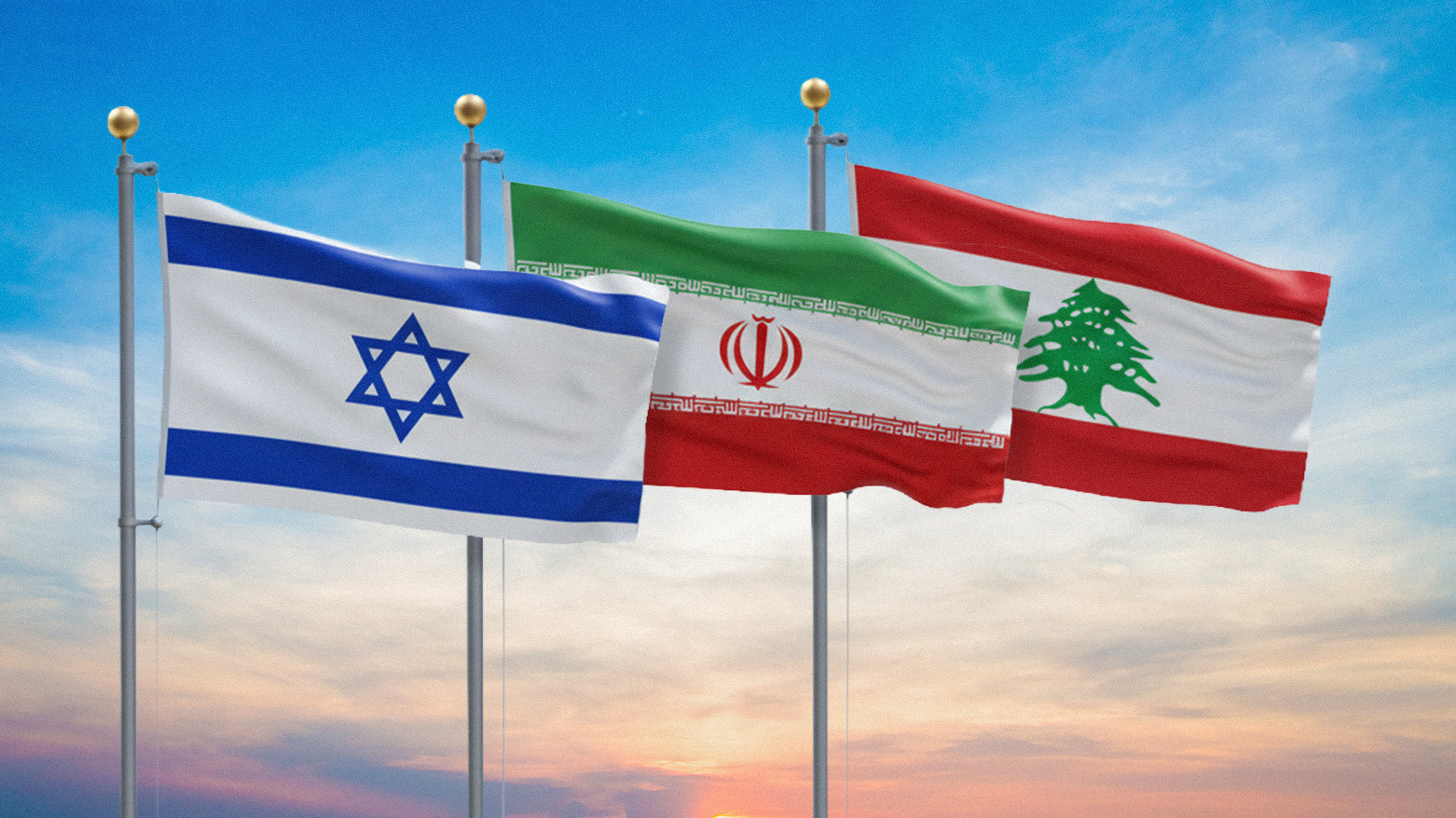
Beirut, Lebanon: The launch of a fragile ceasefire between Israel and Lebanon has provided a brief pause in one of the most volatile fronts of the wider Middle East conflict. Yet, the simultaneous closure of the Strait of Hormuz by Iran underscores a deeper reality: while one battlefield quiets, another strategic front is intensifying.
The result is a fragmented de-escalation, where diplomacy in Lebanon coexists with economic and maritime confrontation in the Middle-eastern region.
The 10-day ceasefire, brokered with U.S. backing, came into effect on April 16, 2026, aiming to halt hostilities between Israel and Lebanon and create space for broader negotiations.
Israeli Prime Minister Benjamin Netanyahu framed the truce cautiously. While authorizing direct talks with Lebanon, he made it clear that Israel’s core objective remains unchanged—neutralizing Hezbollah.
He stated that negotiations would move forward “as soon as possible” but emphasized that Israel would continue acting militarily until security in northern Israel is restored.
This dual posture—engaging diplomatically while maintaining military readiness—reflects Israel’s skepticism about the durability of the ceasefire and its insistence that Hezbollah remains outside any binding agreement.
On the Lebanese side, Prime Minister Nawaf Salam has taken a more explicitly diplomatic tone. He has stressed that Lebanon is “not seeking confrontation” and is prioritizing political dialogue to stabilize the country and regain sovereignty.
However, Salam’s position is constrained by internal realities. Lebanon’s government does not fully control Hezbollah, a powerful Iran-backed actor deeply embedded in the country’s security landscape.
This creates a structural contradiction: Beirut is negotiating peace while a key armed faction retains autonomy over war decisions.
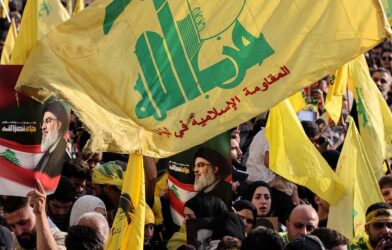
Hezbollah’s leadership has signaled only conditional acceptance of the ceasefire. The group has warned that any continued Israeli military presence or strikes inside Lebanon would justify ongoing resistance.
Recent exchanges of fire and mutual accusations of violations highlight this fragility. Hezbollah claims Israel has breached the truce repeatedly, while Israel argues it is responding to imminent threats.
This dynamic reveals a critical flaw in the ceasefire framework: Hezbollah is not a formal signatory, yet it remains the most consequential actor on the ground.
While the Lebanon front shows tentative de-escalation, Iran has escalated pressure elsewhere by keeping the Strait of Hormuz effectively closed. This move is not isolated—it is directly linked to Tehran’s broader strategy in the conflict.
Iran had briefly opened the strait during the early phase of the Lebanon ceasefire but reversed course after the United States maintained its naval blockade.
Iranian officials have framed this decision as a response to continued “economic aggression,” signaling that maritime access will remain restricted until U.S. pressure is eased.
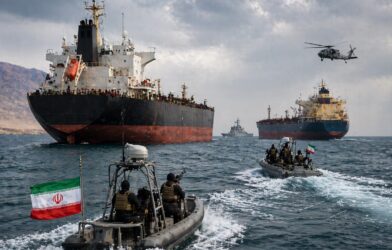
The Islamic Revolutionary Guard Corps (IRGC) has reinforced this stance by actively enforcing restrictions on shipping in the gulf oceans, turning the waterway into a strategic bargaining chip.
The message from Tehran is clear: progress in one arena (Lebanon) does not translate into concessions in another (Hormuz).
The simultaneous ceasefire in Lebanon and escalation in Hormuz illustrate the interconnected nature of the current crisis. The Israel–Hezbollah conflict, U.S.–Iran tensions, and global energy security are no longer separate issues—they are components of a single strategic equation.
Iran views Israeli military actions in Lebanon as part of a broader anti-Iran coalition, while Israel sees Hezbollah as an extension of Iranian influence. Meanwhile, the United States continues to apply economic and naval pressure on Tehran, reinforcing the cycle of escalation.
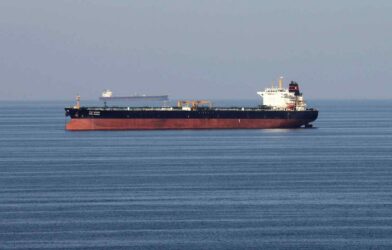
The continued gridlock in the Strait of Hormuz—through which nearly 20% of global oil supply passes—has kept energy markets on edge. The closure has stranded vessels, disrupted supply chains, and driven price volatility worldwide.
This creates a paradox: even as guns fall relatively silent in Lebanon, the global economic stakes of the conflict are rising.
The Israel–Lebanon ceasefire represents a tactical pause rather than a strategic breakthrough. Netanyahu’s security-driven approach, Salam’s constrained diplomacy, Hezbollah’s conditional resistance, and Iran’s assertive maritime posture all point to a deeper impasse.
In essence, the conflict has not de-escalated—it has shifted terrain. Lebanon may be entering a phase of uneasy calm, but the Strait of Hormuz has become the new epicenter of pressure. Unless these interconnected fronts are addressed within a unified diplomatic framework, the current ceasefire risks becoming just another temporary lull in a widening regional confrontation.