Co-Author: Ahmed Saeed
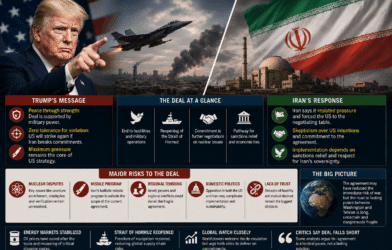
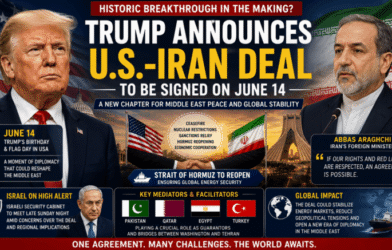
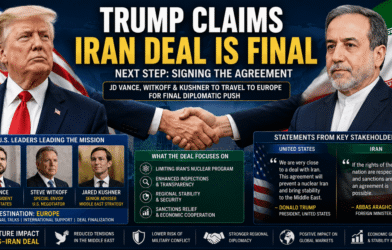
Rochester, NY/Doha, QR: The latest diplomatic intervention by Donald Trump has exposed both the opportunities and the contradictions at the heart of Washington’s Middle East strategy.
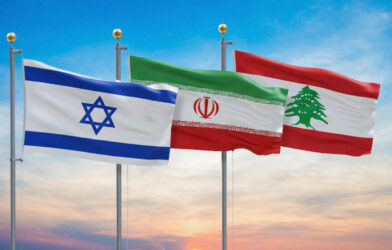
As indirect U.S.-Iran negotiations faced collapse following escalating Israeli military operations in Lebanon, Trump personally intervened to prevent a wider Israel-Hezbollah confrontation that threatened to derail the already fragile peace process with Tehran.
According to multiple reports, Trump held what he described as a “very productive” conversation with Israeli Prime Minister Benjamin Netanyahu and communicated through intermediaries with Hezbollah representatives, claiming that both sides agreed to halt attacks and avoid further escalation.
Trump subsequently stated that Israeli forces would not advance toward Beirut and that Hezbollah had agreed to stop firing on Israel. He also insisted that negotiations with Iran were continuing “at a rapid pace” despite Tehran’s announcement that it was suspending portions of the talks following Israeli strikes in Lebanon.
The crisis illustrates a fundamental problem in U.S. regional diplomacy. Washington seeks a negotiated settlement with Iran while simultaneously supporting Israel’s military campaign against Iranian-aligned groups across the region.
From Tehran’s perspective, Israeli military actions against Hezbollah are inseparable from broader pressure on Iran itself. Iranian officials have repeatedly warned that attacks in Lebanon undermine confidence in diplomatic engagement and could jeopardize any future agreement.
Iranian Foreign Minister Abbas Araghchi has consistently maintained that diplomacy remains preferable to military confrontation, describing previous opportunities for a U.S.-Iran agreement as “within reach” while simultaneously rejecting demands that Iran completely abandon uranium enrichment. Tehran’s position remains that negotiations can continue only if regional military pressure is reduced.
The reaction from Israel has been considerably more cautious than Trump’s optimistic rhetoric. While Netanyahu reportedly agreed to postpone a major operation against Beirut following discussions with Washington, Israeli officials have also stressed that military action will continue if Hezbollah attacks Israeli territory.
Netanyahu publicly declared that Israel would not tolerate a situation in which Hezbollah targets Israeli cities and citizens. This suggests that the alleged ceasefire remains tactical rather than strategic.
From the perspective of Iran’s military establishment, particularly the Islamic Revolutionary Guard Corps, the events in Lebanon are viewed as a test of American credibility.
IRGC-linked media have warned that continued Israeli operations in Lebanon could trigger serious regional consequences and further complicate negotiations. Iranian hardliners remain skeptical that Washington can simultaneously restrain Israel and act as an honest broker in peace talks.
A critical examination of Trump’s mediation reveals a deeper strategic dilemma. While his intervention may have prevented an immediate escalation toward Beirut, it does not address the underlying drivers of the conflict.
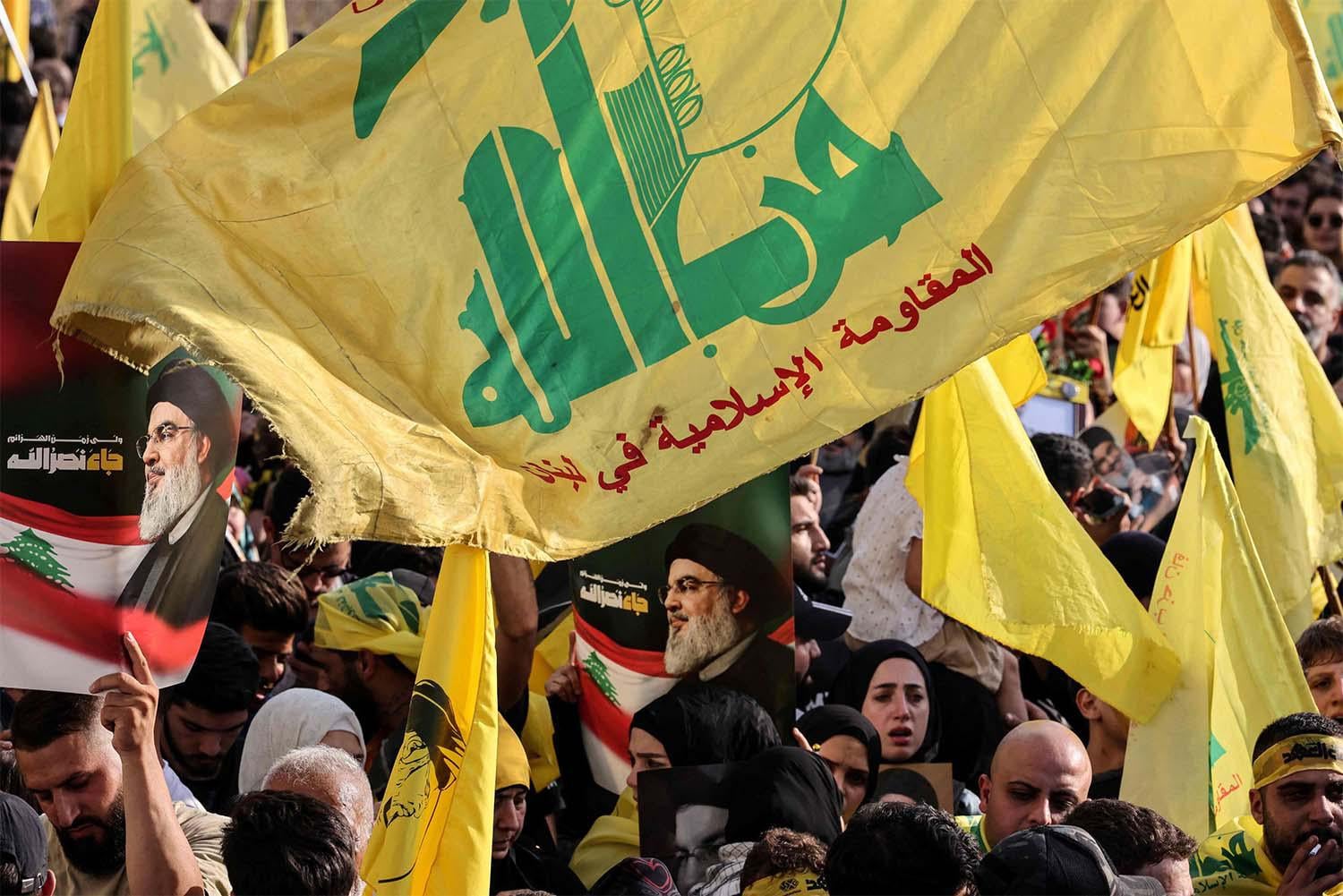
Hezbollah remains committed to maintaining its military capabilities as a deterrent against Israel, while Israel continues to view Hezbollah’s missile arsenal as an existential security threat. Consequently, the current arrangement resembles crisis management rather than conflict resolution.
The Current State of Hezbollah’s Military Power
Despite years of Israeli military pressure, Hezbollah remains the most powerful non-state armed actor in the Middle East. Western and Israeli security assessments generally estimate that Hezbollah still possesses tens of thousands of rockets and missiles, including precision-guided systems capable of striking deep inside Israel.
Although recent Israeli operations have degraded parts of its command structure and weapons infrastructure, Hezbollah retains significant combat experience acquired through years of fighting in Syria and Lebanon.
However, Hezbollah’s position today is weaker than it was before the latest round of regional conflict. Israeli operations have inflicted substantial losses on infrastructure, logistics networks, and senior commanders.
The organization remains formidable but increasingly constrained by Lebanon’s economic collapse and growing domestic pressure to avoid another devastating war.
The Current State of Hamas’ Military Power
The military capabilities of Hamas have been significantly reduced compared with their pre-war strength. Israeli operations in Gaza have destroyed large portions of Hamas’ tunnel network, weapons manufacturing facilities, and command centers.
Many senior commanders have been killed or captured, and the group’s ability to conduct large-scale coordinated operations has been substantially diminished.
Nevertheless, Hamas has not been eliminated. The organization continues to maintain guerrilla capabilities, localized command structures, and the capacity to launch limited rocket attacks and insurgent operations.
While it’s conventional military strength has been severely degraded, its political and ideological influence among segments of the Palestinian population remains intact, ensuring that it remains a factor in any future regional settlement.
Can Trump’s Mediation Actually Save the Iran Talks?
The answer depends less on Trump’s diplomatic intervention and more on whether Israel and Iran are prepared to separate regional conflicts from nuclear negotiations.
Trump’s efforts have temporarily lowered tensions and may have prevented a wider Lebanon war from immediately derailing diplomacy. Yet the contradictory statements coming from Washington, Tehran, and Jerusalem reveal that mutual distrust remains extremely high.
The broader reality is that the Iran peace process remains hostage to developments far beyond the negotiating table. Every Israeli strike in Lebanon, every Hezbollah rocket launch, and every IRGC warning has the potential to undo months of diplomacy.
Trump’s intervention may have bought time, but it has not resolved the fundamental strategic conflict that continues to drive instability across the Middle East.
Bookmark The Variant for trusted updates, informed analysis, and comprehensive coverage of the stories that matter most.