Doha, QA/Rochester, NY: The Strait of Hormuz, one of the world’s most strategically sensitive maritime corridors, has once again emerged as a potential flashpoint in the increasingly volatile security environment of the Middle East.
Reports of multiple incidents involving commercial vessels in the Persian Gulf have heightened fears that maritime trade could become another arena of regional confrontation, exposing the fragility of global energy supply chains and raising difficult questions about the ability of international powers to guarantee freedom of navigation.
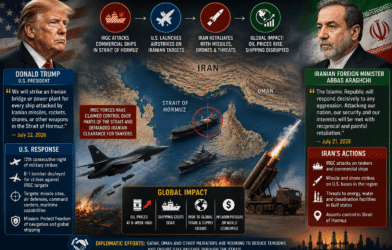
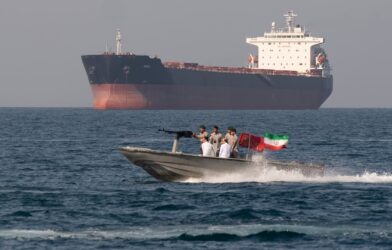
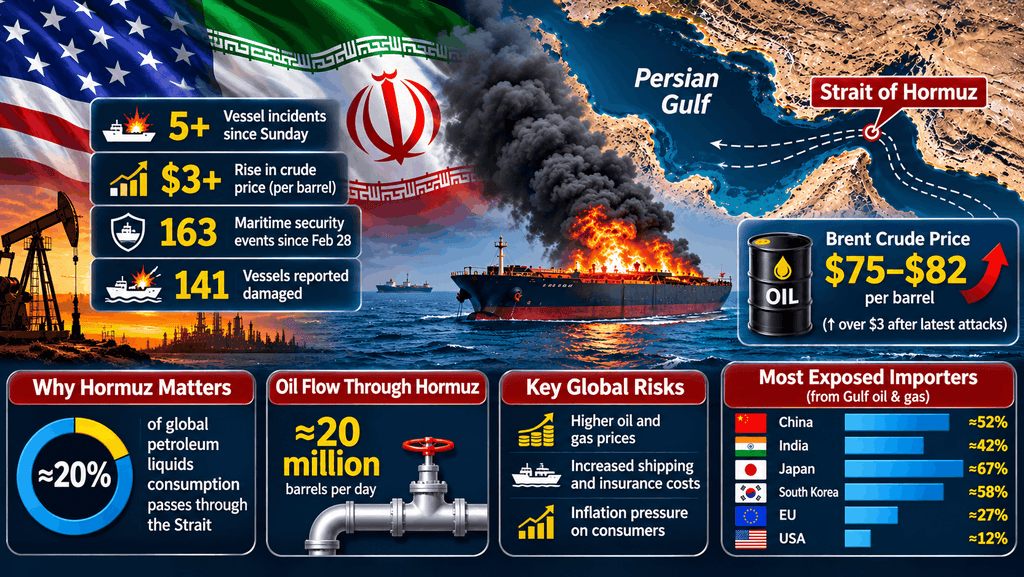
According to foreign media reporting referenced in the initial accounts, at least five vessel-related incidents were recorded since the preceding Sunday, contributing to renewed market anxiety and upward pressure on crude oil prices.
Although the precise circumstances and responsibility for these incidents require independent verification, their broader significance extends far beyond the immediate safety of the vessels involved. They underscore how quickly insecurity in a narrow maritime passage can translate into economic uncertainty across continents.
For the United States, Iran, the Gulf Arab monarchies, and major energy-importing economies, the implications are substantial.
A prolonged deterioration in maritime security could disrupt petroleum exports, raise insurance premiums, increase transportation costs, and intensify the political pressure on governments already struggling to balance national security priorities with domestic economic stability.
Hormuz: A Strategic Chokepoint with Global Consequences
The Strait of Hormuz connects the Persian Gulf with the Gulf of Oman and the Arabian Sea, serving as the principal maritime outlet for oil and liquefied natural gas exports from several of the world’s most important energy-producing countries.
Saudi Arabia, Iraq, Kuwait, Qatar, the United Arab Emirates, and Iran depend to varying degrees on this corridor to reach international markets.
Historically, approximately 20 million barrels of petroleum liquids have passed through the strait daily, representing roughly one-fifth of global petroleum liquids consumption. Its importance is therefore not merely regional. Any significant interruption would reverberate through energy markets in Asia, Europe, and North America.
China, India, Japan, and South Korea are particularly exposed because of their reliance on imported Gulf energy. European economies, although operating with more diversified energy supplies, remain vulnerable to price increases in globally traded crude oil and liquefied natural gas.
The United States occupies a more complicated position. Its substantial domestic oil and natural gas production provides a degree of insulation against physical supply shortages, but American consumers remain exposed to international crude benchmarks.
Even when the United States produces sufficient oil domestically, disruptions in the Persian Gulf can raise gasoline, diesel, aviation fuel, and transportation costs.
This interconnectedness explains why even relatively limited maritime incidents can trigger disproportionate market reactions.
Oil traders respond not only to actual supply losses but also to the probability of future disruptions. The possibility of a tanker being damaged, a shipping lane becoming unsafe, or a naval confrontation escalating can be sufficient to increase the geopolitical risk premium embedded in crude prices.
Maritime Attacks and the Growing Risk of Miscalculation
The reported incidents highlight a particularly dangerous characteristic of maritime confrontation: the difficulty of determining responsibility quickly and conclusively.
Commercial vessels operating in politically contested waters may face threats ranging from drones and missiles to naval mines, armed boarding operations, electronic interference, and other forms of maritime harassment.
However, the existence of an incident does not automatically establish that an attack occurred, nor does it identify the responsible actor.
This distinction is especially important in the Persian Gulf, where competing governments and armed organizations have historically accused one another of threatening commercial shipping.
Iran’s strategic position along the northern coastline of the Strait of Hormuz gives Tehran considerable geographical influence over the waterway.
Its naval forces, particularly the Islamic Revolutionary Guard Corps Navy, have developed capabilities suited to operating in confined maritime environments, including fast attack craft, coastal defense systems, and unmanned platforms.
Nevertheless, geographical proximity and military capability are not evidence of responsibility for any particular incident. Credible attribution requires technical evidence, vessel reports, intelligence assessments, and independent corroboration.
The greatest danger is that an incident involving an unidentified perpetrator could provoke a retaliatory response before its circumstances are fully understood.
In an environment of heightened American-Iranian hostility, even a limited confrontation between patrol vessels, an accidental engagement, or an incorrectly attributed attack could generate a chain of military and diplomatic reactions that neither side originally intended.
Washington’s Strategic Dilemma: Deterrence without Escalation
For Washington, safeguarding commercial navigation through the Strait of Hormuz is both an economic and strategic responsibility.
The United States has maintained a substantial military presence in the wider Gulf region for decades, supported by naval facilities, regional partnerships, and security arrangements intended to deter attacks against international commerce.
The U.S. Fifth Fleet, headquartered in Bahrain, plays an important role in supporting maritime security across the Persian Gulf, Arabian Sea, and surrounding waters.
Yet the military challenge is increasingly complicated.
Traditional naval superiority does not automatically eliminate the threat posed by inexpensive drones, anti-ship missiles, mines, or small vessels operating close to heavily trafficked shipping routes. Defending commercial vessels against numerous potential threats can require considerable surveillance, coordination, and defensive resources.
The Trump administration consequently faces a difficult strategic calculation. A forceful response to verified attacks could reinforce deterrence and reassure Gulf partners, but an excessively broad military operation could expand the confrontation and place additional shipping infrastructure at risk.
Conversely, a restrained response could reduce the immediate danger of escalation while raising concerns among regional allies about the credibility of American security commitments.
The most effective approach may therefore depend on combining credible defensive capabilities with careful intelligence assessment, maritime coordination, and diplomatic channels capable of preventing tactical incidents from becoming strategic crises.
The challenge is not simply whether Washington possesses sufficient military power. It is whether that power can be exercised in a way that protects shipping without unintentionally transforming maritime insecurity into a wider regional war.
Iran’s Maritime Strategy and the Politics of Economic Pressure
From Tehran’s perspective, the Strait of Hormuz represents both a strategic vulnerability and an instrument of geopolitical leverage. Iran’s economy remains heavily influenced by energy exports, sanctions, and access to international markets, while its military planners recognize that instability in the strait can impose costs on countries far beyond the immediate conflict.
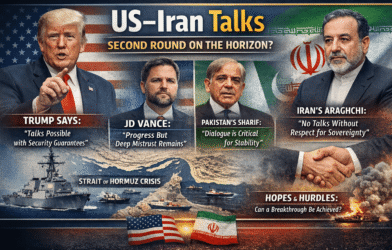
The current confrontation must also be understood in the context of the wider U.S.–Iran war that began in February 2026. The maritime conflict has continued despite diplomatic efforts and periods of reduced expectations for major military escalation. Reuters reported on November 5 that Iranian officials were engaging with Qatari mediators over proposals to narrow differences with Washington, although fundamental disagreements remained unresolved.
Iran’s ability to influence maritime traffic does not necessarily mean that a complete closure of Hormuz would serve its interests. Such a move could damage Iran’s own commercial prospects, alienate major Asian energy customers, and invite stronger international military intervention.
Instead, persistent disruption may provide a form of asymmetric leverage. By increasing uncertainty and raising the costs of commercial navigation, Tehran can exert economic pressure without necessarily engaging in sustained conventional naval warfare.
This strategy, however, carries significant risks. Maritime attacks can undermine international confidence, harm neutral commercial operators, and deepen the diplomatic isolation of the state held responsible. They can also create environmental disasters that affect coastal populations regardless of political allegiance.
An Escalating Crisis: What the Latest Evidence Reveals
The latest maritime security data suggest that the danger is neither hypothetical nor confined to a handful of isolated incidents.
In its assessment for the week ending November 13, the United Kingdom Maritime Trade Operations agency reported 163 maritime security events since the conflict began on February 28, including 141 reports of damage to vessels. Its assessment classified the threat level in the Strait of Hormuz as severe.
The same report documented eight incidents during the preceding week, including five in the strait itself, and indicated that some affected vessels required assistance while others continued their voyages.
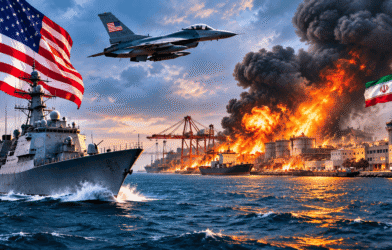
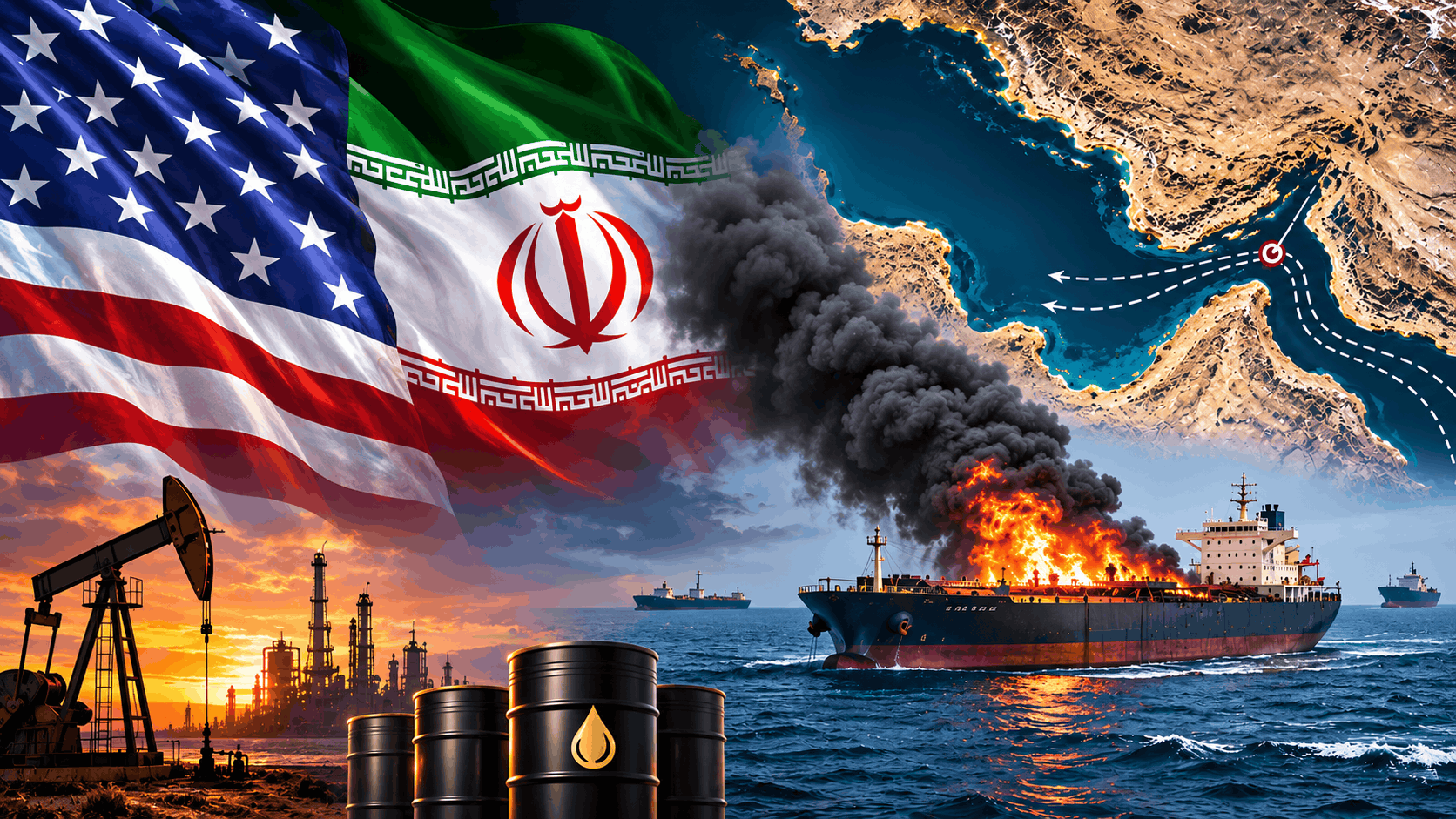
International media also reported on November 11 that at least ten vessels had been struck during the first ten days of November, following an exceptionally dangerous October. Verified footage showed a tanker burning near Oman, illustrating the physical consequences of maritime attacks even as financial markets considered the possibility of diplomatic de-escalation.
More recently, on November 14, Iranian naval authorities reported that three tankers had caught fire after striking mines in the Strait of Hormuz.
These developments reveal an important contradiction. Diplomatic expectations may periodically encourage traders to anticipate a reduction in hostilities, while conditions at sea continue to deteriorate.
This divergence between financial optimism and operational insecurity creates additional uncertainty for shipping companies, energy producers, and governments.
Oil Prices, Inflation and the Hidden Costs for Ordinary Consumers
The economic implications of maritime insecurity extend well beyond the immediate movement of crude oil prices.
Reuters reported that Brent crude rose by more than $3 a barrel at settlement on November 5 following renewed tanker attacks, illustrating how rapidly security developments can affect commodity markets.
Yet oil prices do not move in a straight line according to the number of attacks. Traders also evaluate diplomatic negotiations, global demand, inventories, spare production capacity, and the likelihood of additional military operations.
Consequently, prices can decline even while vessels remain under attack if investors believe that the probability of a broader confrontation is diminishing.
For ordinary Americans, sustained instability can eventually translate into higher gasoline and diesel prices, more expensive airline tickets, increased freight charges, and additional pressure on consumer goods.
Transportation companies facing higher fuel bills may pass those expenses to retailers, while agricultural producers can experience rising costs for machinery, fertilizer transportation, and distribution.
The resulting economic pressure can be particularly difficult for lower-income households, which spend a greater proportion of their earnings on transportation, food, and essential services.
In Europe, prolonged energy insecurity could complicate industrial recovery and inflation management. In Asia, major importers may face additional pressure on trade balances and manufacturing costs.
The economic consequences would therefore be uneven, but few major economies would remain entirely insulated.
Gulf States Face a Dangerous Strategic Crossroads
For Saudi Arabia, the United Arab Emirates, Qatar, Kuwait, Bahrain, and Oman, the security of the Persian Gulf is inseparable from their economic stability and long-term development strategies.
Saudi Arabia and the UAE possess alternative export infrastructure that can reduce dependence on Hormuz for some shipments, but these routes cannot fully eliminate the risks associated with a major regional disruption.
Qatar’s liquefied natural gas exports are particularly sensitive to maritime access, while smaller Gulf economies depend heavily on stable shipping, investment confidence, and international trade.
The Gulf monarchies also confront a delicate diplomatic challenge. They maintain important security relationships with Washington while recognizing that a wider military confrontation with Iran could threaten their own infrastructure and economic ambitions.
Oman and Qatar have historically played significant diplomatic roles in facilitating communication between regional rivals. Their potential contribution remains important because military deterrence alone cannot resolve the political disputes sustaining the conflict.
For these governments, the central objective is not simply to prevent individual tanker attacks. It is to preserve a regional environment in which commercial development, energy exports, and international investment can continue without persistent military disruption.
The Environmental Threat beyond the Battlefield
The human and environmental consequences of tanker attacks deserve greater international attention.
A damaged oil tanker can release substantial quantities of petroleum into waters supporting fisheries, marine ecosystems, desalination facilities, and coastal communities.
The Persian Gulf’s relatively enclosed geography and extensive coastal industrial infrastructure make serious pollution incidents especially concerning.
Oil contamination could disrupt fishing livelihoods, threaten marine biodiversity, and create costly cleanup obligations for governments already facing security-related expenditures.
The risks become even more severe when vessels carry hazardous cargo or when fires prevent emergency teams from approaching damaged ships.
Maritime security is therefore not solely a question of energy economics or military competition. It is also a matter of environmental protection, civilian safety, and the preservation of essential infrastructure.
Can Diplomacy Prevent a Wider Energy Confrontation?
The prospects for de-escalation depend on whether Washington and Tehran can establish mutually credible arrangements that address both immediate maritime threats and the broader political conflict.
A durable agreement would likely require mechanisms for reducing military incidents, protecting commercial navigation, verifying compliance, and maintaining communication between opposing forces.
International maritime organizations, regional governments, and major energy-importing countries could contribute by supporting independent incident reporting and coordinated protection of civilian shipping.
China has a particularly strong economic interest in stability because of its dependence on Middle Eastern energy supplies. European governments similarly have incentives to support diplomatic initiatives that reduce energy-market volatility.
However, diplomatic engagement will face obstacles if either side believes that continued military or economic pressure can produce more favorable negotiating terms.
The central challenge is overcoming a cycle in which maritime attacks encourage retaliation, retaliation strengthens perceptions of insecurity, and insecurity creates incentives for further coercive measures.
Conclusion: A Narrow Waterway With Enormous Global Stakes
The renewed danger facing commercial vessels in the Strait of Hormuz demonstrates how a geographically limited confrontation can produce consequences of extraordinary international significance.
The attacks are not merely isolated episodes of maritime violence. They form part of a wider struggle involving military deterrence, regional influence, economic pressure, and the credibility of international security arrangements.
For President Donald Trump, the challenge is to protect American strategic interests without allowing the conflict to impose escalating economic costs on households and businesses.
For Iran, the challenge is to preserve its security interests without turning maritime leverage into a confrontation that further damages its economy and international relationships.
For Gulf governments, the priority remains the protection of energy infrastructure, commercial shipping, and regional stability. For the wider international community, the stakes include energy affordability, environmental security, and the preservation of vital trade routes.
The most troubling possibility is not necessarily a formally announced closure of the Strait of Hormuz. It is a prolonged period of intermittent attacks, elevated insurance costs, reduced shipping confidence, and unpredictable military responses that gradually undermine the reliability of one of the world’s most important energy corridors.
The Strait of Hormuz may be narrow in geographical terms, but the consequences of insecurity within its waters are global.
Unless military restraint and credible diplomacy begin to reinforce one another, the cost of confrontation will increasingly be measured not only in damaged tankers and disrupted oil shipments, but also in higher prices, weakened economic confidence, and the growing risk of a wider Middle Eastern war.