


Rochester, NY: A significant change occurred in Pakistan’s defense and weapons export profile during the May 2025 military standoff with India. The four-day crisis had pushed the two nuclear-armed neighbors closer to wider war than in decades before.
Islamabad was able to capitalize on chances to sell its defense industrial capabilities overseas, strengthen military alliances, and finalize weapons sales worth billions of dollars as a result of what started as increased geopolitical tension.
Domestic procurement and strategic collaboration with a small number of important partners occupied the bulk of Pakistan’s military sector before to the war. In contrast, the Middle East, Africa, and portions of Asia showed a dramatic increase in interest in military gear that was either made in Pakistan or co-developed with Pakistan after May 2025.
Both the growing number of purchasers and the average contract value show that Pakistan’s offers were well-received by governments seeking alternatives to Western military equipment.
New estimates of Pakistan’s military trade indicate that the country’s weapons sector reached a new high in 2025, when it signed defense export contracts valued at around $10 billion worldwide.
The international spotlight has returned on Islamabad’s airpower and military technology after its performance against India, and wider geopolitical alignments in places like the Middle East and Eurasia have also contributed to this surge of activity.
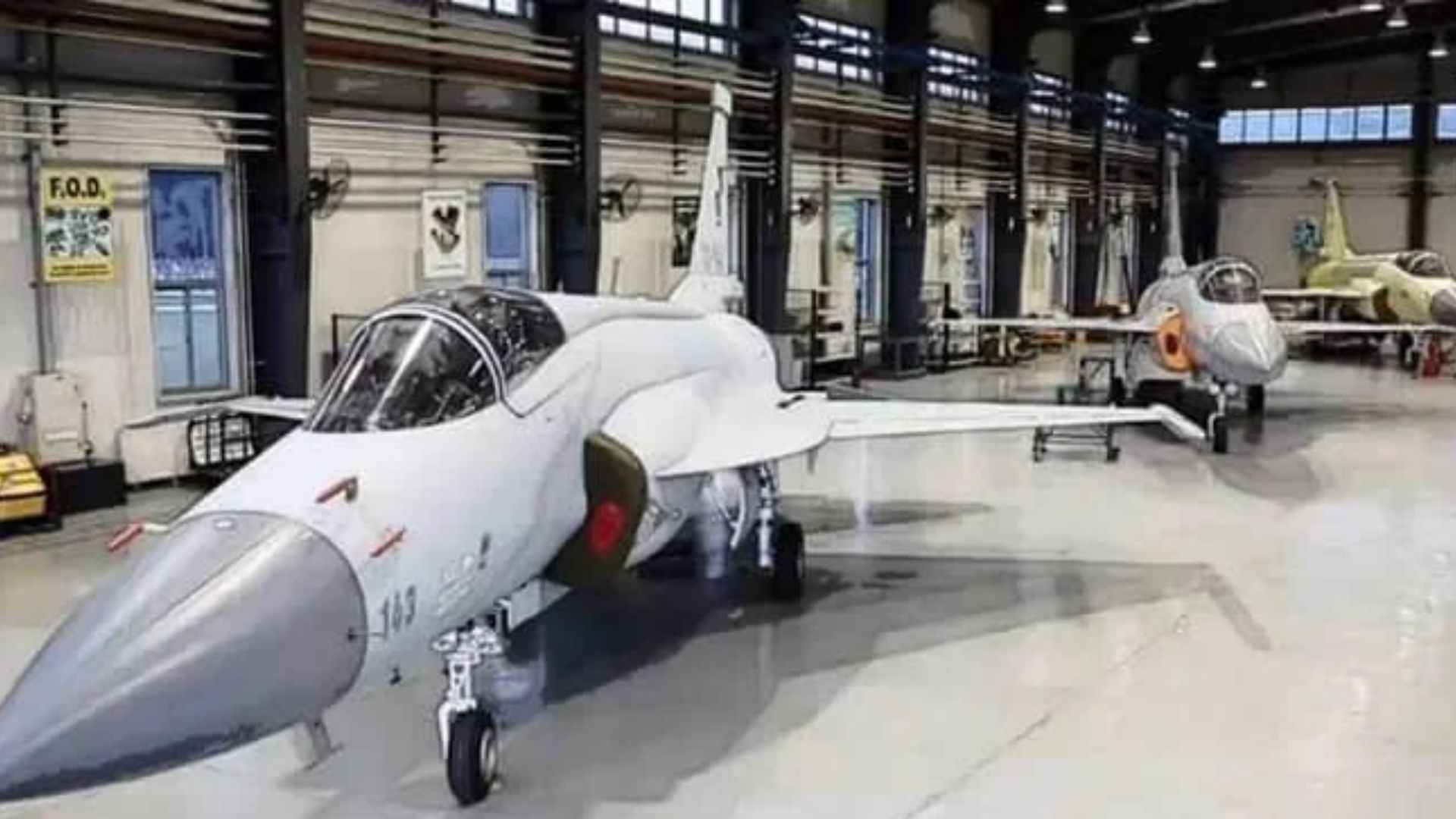
The JF-17 “Thunder” multirole fighter aircraft, which Pakistan and China built together has become an emblem of Pakistan’s growing capacity to export military products and has been at the focus of the country’s export drive.
International displays and discussions in late 2025 and early 2026, particularly events like the World Defense Exhibition in Riyadh, attracted “strong interest” from foreign forces in the JF-17.
Among the most significant agreements to come out of this time was the armaments deal with the Libyan National Army, which was located in the east of the country and valued at over $4 billion, and it was finalized in December 2025.
As a result of the arrangement, Pakistan received substantial monetary inflows linked to the shipment of JF-17 fighter fighters, Super Mashak training aircraft, and other weapons and support machinery.
With the sale of 40 JF-17 Block III fighter jets, valued at between $1.6 and $4.2 billion, Pakistan and Azerbaijan inked a separate historic deal earlier in 2025. If the deal were to come to fruition, it would rank among Islamabad’s biggest export purchases in military aviation.
These significant purchases of fighter jets are only a small portion of Pakistan’s military exports. Both official and non-official sources inside Pakistan’s government have pointed to the country’s aggressive selling of more military hardware, such as:
- Light combat aircraft and training jets like the Super Mashak are popular with countries that are bolstering their air forces.
- Unmanned aerial vehicles (UAVs) and drones—which are in high demand among African and Middle Eastern militaries.
When competing with rivals from Eastern Europe and Asia, Pakistani military companies are settling on small guns, ammunition, and armored vehicles.
Rockets and missile technologies, often in the form of joint ventures with companies like MKE, with the goal of boosting Pakistan’s economic growth and export opportunities.
In spite of ongoing domestic economic difficulties and security concerns in the area, all of this has added to the story of Pakistan’s military industry become more export-focused and competitive on a global scale.
The increase in foreign interest and defense contracts shows that Pakistan is trying to strengthen its military connections and gain more strategic influence, especially with Gulf and non-Western purchasers, as observers have pointed out.
Keep in mind that not all transactions that are announced will be fully concluded, and that delivery schedules, particularly for complicated equipment like fighter planes, usually go on for a while.
If Pakistan wants to keep its new export momentum going, experts in the global weapons trade say it has to establish long-term manufacturing capacity and trustworthy after-sales service networks.
However, the figures show that Islamabad’s status in the global military industry was transformed by the May 2025 war, which led to record-setting multi-billion-dollar contracts and increased interest in Pakistan’s JF-17 platform.







