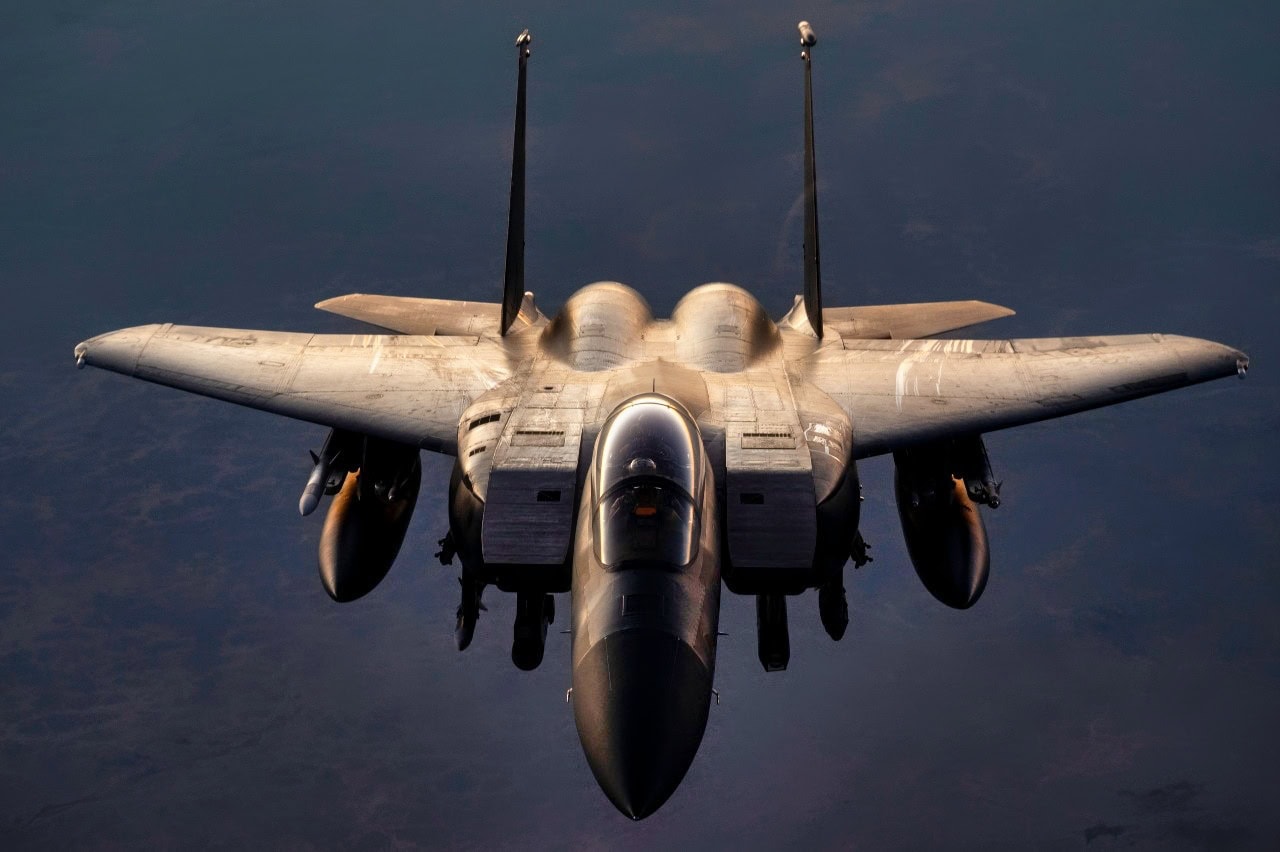
Rochester, NY/Kuwait City: In one of the most dramatic friendly fire incidents in recent U.S. military history, three U.S. Air Force F-15E Strike Eagle fighter jets were accidentally shot down by Kuwaiti air defense systems on March 1–2, 2026, during active combat operations in the Gulf region. The incident was officially confirmed by U.S. Central Command (CENTCOM) and the Kuwaiti Ministry of Defense amid ongoing large-scale hostilities involving Iran and coalition forces.
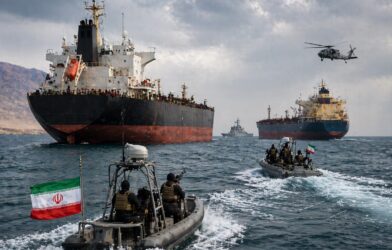
The incident occurred against the backdrop of a rapidly escalating war following coordinated U.S.-Israeli strikes on Iranian targets. Iran responded with weeks of missile and drone attacks across the Gulf, including strikes on U.S. bases and allied infrastructure in Kuwait, Qatar, Saudi Arabia, and the UAE.
During these intense operations, Kuwaiti Patriot and other air defense batteries operated at high alert — a posture that likely contributed to the tragic misidentification.
Timeline of Events
March 1, 2026 (Evening): Three USAF F-15E Strike Eagles were flying missions as part of the broader U.S. combat operation dubbed Operation Epic Fury — a coordinated effort targeting Iranian air, missile, and drone assets following repeated attacks by Tehran.
Early March 2, 2026 (Local Time): Kuwaiti air defense systems mistakenly engaged and shot down all three F-15E aircraft over Kuwaiti territory. The shoot downs occurred while the jets were actively participating in combat against Iranian missiles, drones, and aircraft.
The event represents the first known instance in this conflict of U.S. airframes being lost to allied air defenses.
Aircraft and Crew Status
Aircraft Lost:
— 3 × F-15E Strike Eagle fighter jets (heavy dual-seat airframe used for precision attack and air superiority).
Crew:
— 6 airmen total (3 jets × 2 crew members each).
— All six ejected successfully and were subsequently rescued in stable condition by coalition forces.
This outcome, while fortunate, underscores the severity of air defense coordination challenges in multi-force environments.
What Led to the Mistaken Engagement?
While official investigations are ongoing on, analysts suggest several likely contributing factors:
1. Combat Intensity
Coalition forces, including U.S. and allied militaries, were facing simultaneous threats from Iranian drones, ballistic missiles, and aircraft — creating an environment of saturation attacks on air defenses.
2. Identification Failures
Misidentification of friendly aircraft in a high-stress, fast-moving battle-space is a known risk — even with Identification Friend or Foe (IFF) transponder systems designed to prevent just such errors.
3. Air Defense Posture
Kuwaiti batteries, operating under high threat and with limited lead time, may have interpreted the incoming group of fast-moving jets as hostile, especially amid mass saturation attacks by drones and missiles.
Official Reactions
U.S. Response:
CENTCOM publicly acknowledged the incident as a friendly fire shoot down and confirmed that all crew members were safe.
The U.S. Department of Defense said it would investigate the incident thoroughly with Kuwaiti counterparts and examine how targeting and coordination broke down.
Kuwaiti Statement
Kuwait’s Ministry of Defense confirmed the aircraft losses and stressed its commitment to cooperation in the investigation.
Kuwaiti authorities also reiterated their intent to protect coalition forces and their territory amid ongoing Iranian aerial assaults.
These statements reflect a shared interest in understanding the failures that led to the misfire.
Historical Significance
Aircraft shoot downs due to friendly fire are rare, but they have historical precedents — from the 1994 Black Hawk shoot down in Iraq to other battlefield misidentifications. History underscores that even advanced militaries with sophisticated avionics and identification systems can face tragic errors when command, control, and communication become stressed.
Conclusion: Lessons and Next Steps
The accidental downing of three U.S. F-15E jets by Kuwait’s air defenses highlights how fog of war, coordination breakdowns, and high threat environments can converge into serious mishaps, even among close military partners.
The global landscape is constantly evolving. Stay connected with The Variant for reliable news and thoughtful analysis.