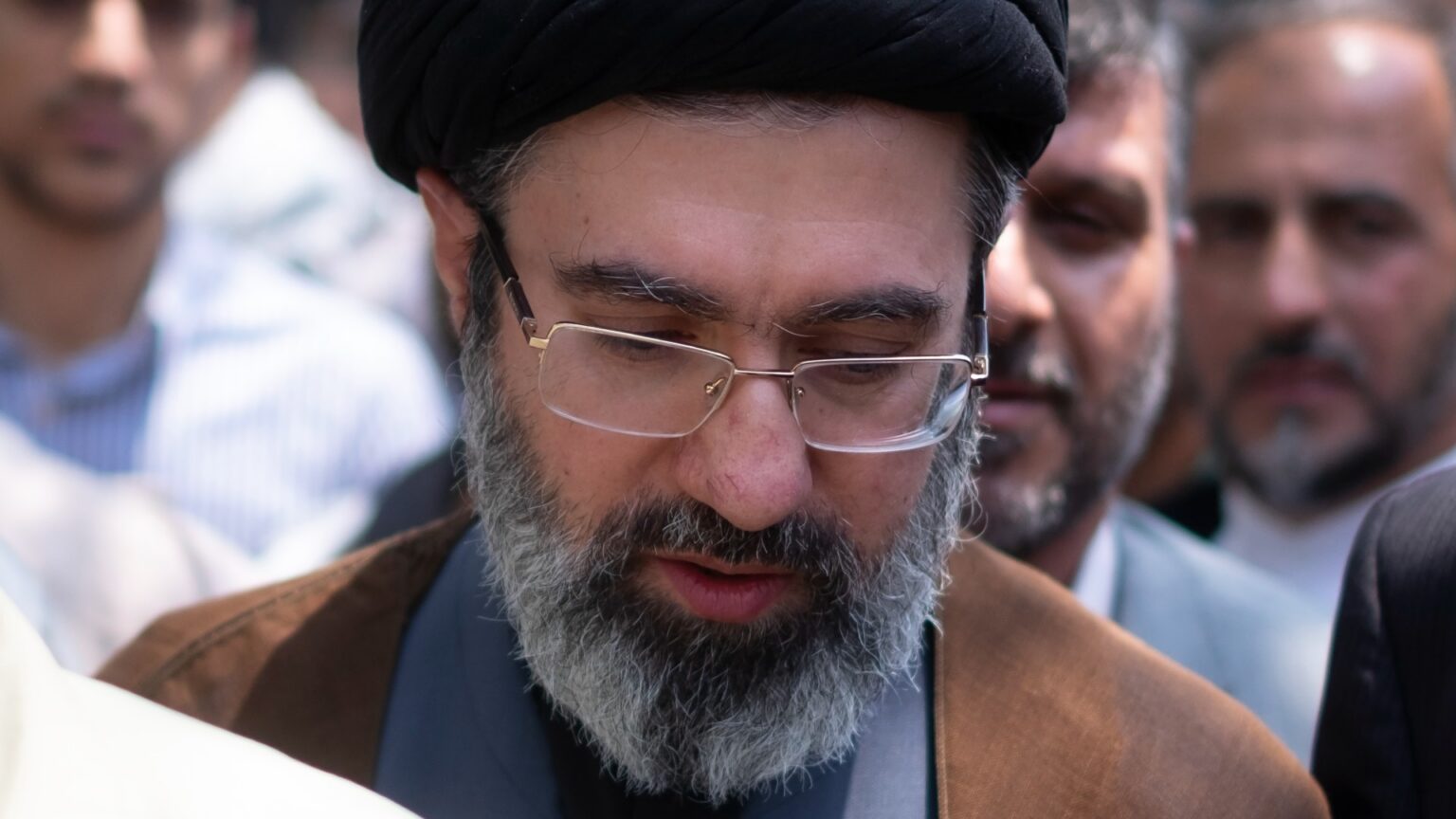
Rochester, NY: In a dramatic turn in Tehran following the death of Iran’s long-time Supreme Leader, reports from Arab and regional media outlets indicate that Mojtaba Khamenei, the son of the late Ayatollah Ali Khamenei, has been selected as the Islamic Republic’s next supreme leader.
According to multiple broadcasts and Arabic-language reporting citing sources within Tehran’s clerical establishment and the influential Islamic Revolutionary Guard Corps (IRGC), Mojtaba was elected by the Assembly of Experts — the 88-member clerical body constitutionally tasked with choosing Iran’s spiritual and political head — amidst intense internal and external pressures.
The announcement comes against the backdrop of unprecedented upheaval in Iran. On February 28, 2026, a joint U.S.–Israeli strike reportedly killed Ayatollah Ali Khamenei, who had dominated Iranian politics since 1989.
The ensuing shock triggered the constitutional process for succession, compelling the Assembly of Experts to convene under extraordinary circumstances — reportedly in virtual sessions after security threats at clerical centers.
In that tense environment, report after report carried by Arab outlets highlighted the perceived influence of the IRGC in consolidating support for Mojtaba, an influential figure long seen as a power broker behind the scenes.
Born in 1969 in Mashhad, Mojtaba is 56 years old and had never previously held a formal public office — a factor that has made his elevation controversial. Yet his proximity to the corridors of power in Tehran dates back decades. Analysts quoted in regional reporting describe him as one of the most powerful men in the Islamic Republic long before the crisis, with deep ties to the IRGC and loyalist factions of Iran’s clerical hierarchy.
He is widely portrayed as having wielded sway over key appointments, university governance, and political maneuvering — often acting as his father’s gatekeeper and an architect of internal strategy.
For many observers, however, the notion of direct father-to-son succession defies the theological and revolutionary rhetoric of the Islamic Republic.
Since the 1979 revolution that overthrew the monarchy, Iran’s constitutional framework has emphasized collective clerical authority rather than dynastic inheritance.
The reported appointment of Mojtaba — heavily backed by the IRGC, according to Arab and international dispatches — has been framed in some Arab media commentaries as emblematic of systemic weakness rather than consolidation of theocratic legitimacy.
Compounding these tensions are reports of public disquiet inside Iran, with critics viewing the transition as lacking both religious credentials and popular consent.
Although official Iranian state media had not immediately confirmed Mujtaba’s elevation at the time of reporting, regional outlets underscored that the Assembly of Experts’ decision, if confirmed, would mark only the second such succession in the Islamic Republic’s 47-year history — a historic but highly contested moment.
Arab media coverage has also underscored the broader geopolitical ramifications. The choice of a leader deeply entwined with military elites carries implications for Iran’s ongoing confrontations with both regional rivals and Western powers.
It arrives at a time when the Middle East is already roiled by conflict, economic strain, and escalating diplomatic tensions, making the succession not just a domestic matter but a potential catalyst for wider instability.
As Arab commentators note, the story is still unfolding. With state lines of authority in flux and Iran’s constitutional processes under intense strain, the contours of Mojtaba Khamenei’s leadership — and whether it will be legitimized by broader clerical consensus or resisted by reformist and civil society forces — remain at the center of regional and global attention.
Stay ahead of emerging trends and international developments with trusted reporting and analysis from The Variant.