


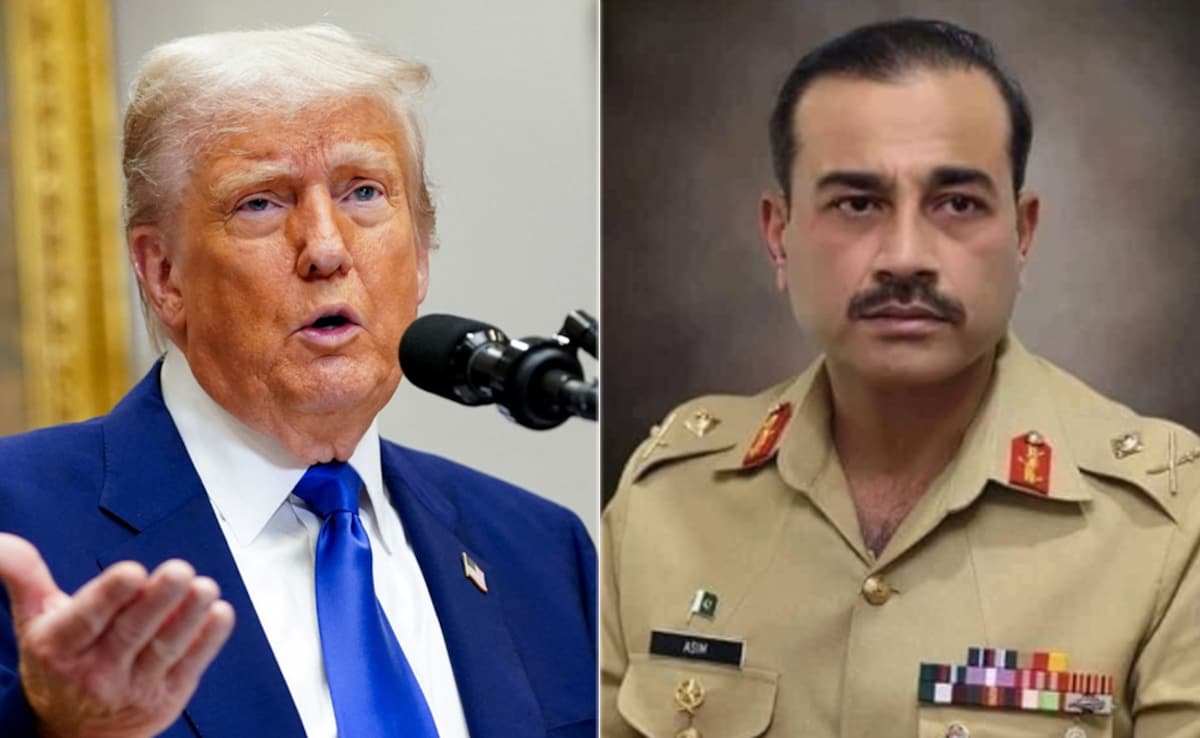
Rochester, NY: The unfolding Iran war has triggered an unexpected diplomatic realignment in South Asia, with Pakistan emerging as a key intermediary at a moment when global powers are seeking back-channel communication rather than direct confrontation.
What makes this development particularly significant is not just Islamabad’s activism, but the relative absence of India from the center of crisis diplomacy—raising questions about whether New Delhi has been temporarily sidelined or is deliberately staying cautious.
Pakistan’s leadership, under Prime Minister Shahbaz Sharif, has positioned the country as a willing mediator between Tehran and Washington. In recent statements, Sharif emphasized that Pakistan is “ready and honored” to facilitate meaningful dialogue, signaling a clear intent to move beyond rhetorical neutrality into active diplomatic engagement.
This has not been symbolic posturing alone. Reports indicate that Pakistan has already transmitted a multi-point proposal from the United States to Iran, with figures suggesting a structured framework of around fifteen key demands and confidence-building measures aimed at de-escalation.
Islamabad has also engaged in consultations with regional stakeholders such as Saudi Arabia, Türkiye, and Egypt, indicating that its diplomacy is not isolated but part of a broader coordination effort.
At the military and strategic level, Pakistan has been careful to avoid escalation while maintaining relevance. Defence Minister Khawaja Asif has categorically ruled out any direct military involvement alongside the United States, a statement that reinforces Pakistan’s image as a neutral facilitator rather than a participant.
Meanwhile, Foreign Minister Ishaq Dar has intensified regional outreach, engaging in what diplomats describe as shuttle diplomacy between Gulf capitals and Tehran. This dual messaging—firm neutrality combined with active engagement—has enabled Pakistan to occupy a diplomatic space that few others currently can.
The role of the United States, led by President Donald Trump, is central to understanding this shift. Trump’s approach to the Iran conflict has combined military pressure with selective diplomatic openings, and Pakistan appears to have become a convenient conduit for the latter.
His public amplification of Pakistan’s mediation offer, along with reports that U.S. officials are using intermediaries to communicate with Iran, suggests tacit endorsement of Islamabad’s role.
At the same time, Trump’s rhetoric remains uncompromising, emphasizing deterrence and strategic dominance, which indicates that diplomacy, is being used as a complementary tool rather than a replacement for coercion.
Against this backdrop, India’s position appears more restrained and less visible. Prime Minister Narendra Modi has maintained that India is in contact with all relevant parties and continues to advocate for a peaceful resolution.
However, the absence of India from high-profile mediation channels has led to criticism from opposition figures such as Rahul Gandhi, who argue that New Delhi’s foreign policy has lacked assertiveness in this crisis. While such criticism is partly political, it reflects a broader perception that India is not shaping events in the same way Pakistan currently is.
The reasons for this divergence are rooted in structural realities rather than simple diplomatic failure. Pakistan’s geographic proximity to Iran, including a shared border, gives it both logistical and intelligence advantages.
Its longstanding, albeit complex, relationships with both Tehran and Washington make it an acceptable intermediary to both sides. India, by contrast, faces tighter strategic constraints.
Its deepening alignment with the United States and its strong ties with Israel complicate any attempt to position itself as a neutral broker. Moreover, India’s foreign policy priorities in recent years have focused heavily on the Indo-Pacific and economic partnerships, leaving less emphasis on mediating conflicts in West Asia.
What is unfolding, therefore, is less a case of India being pushed aside and more an example of Pakistan exploiting a narrow but significant diplomatic opening. Islamabad’s approach reflects a calculated effort to gain international relevance without incurring the risks of direct military involvement.
The figures associated with its diplomatic activity—ranging from structured proposals to multiple high-level engagements—suggest a level of coordination that has elevated its standing, at least temporarily.
Yet the durability of this shift remains uncertain. Pakistan’s influence is contingent on its ability to deliver results, particularly in facilitating de-escalation or initiating meaningful negotiations. If these efforts fail, its current prominence could quickly diminish.
India, on the other hand, retains long-term strategic weight due to its economic size, global partnerships, and growing geopolitical influence, even if it is less visible in this specific conflict.
In essence, the Iran war has created a moment in which Pakistan has stepped into the diplomatic spotlight while India has chosen—or been compelled—to operate more quietly.
Whether this represents a lasting realignment or a temporary redistribution of roles will depend on how the crisis evolves. For now, however, the balance of visibility is clear: Pakistan is shaping the conversation, while India remains on its periphery.







