


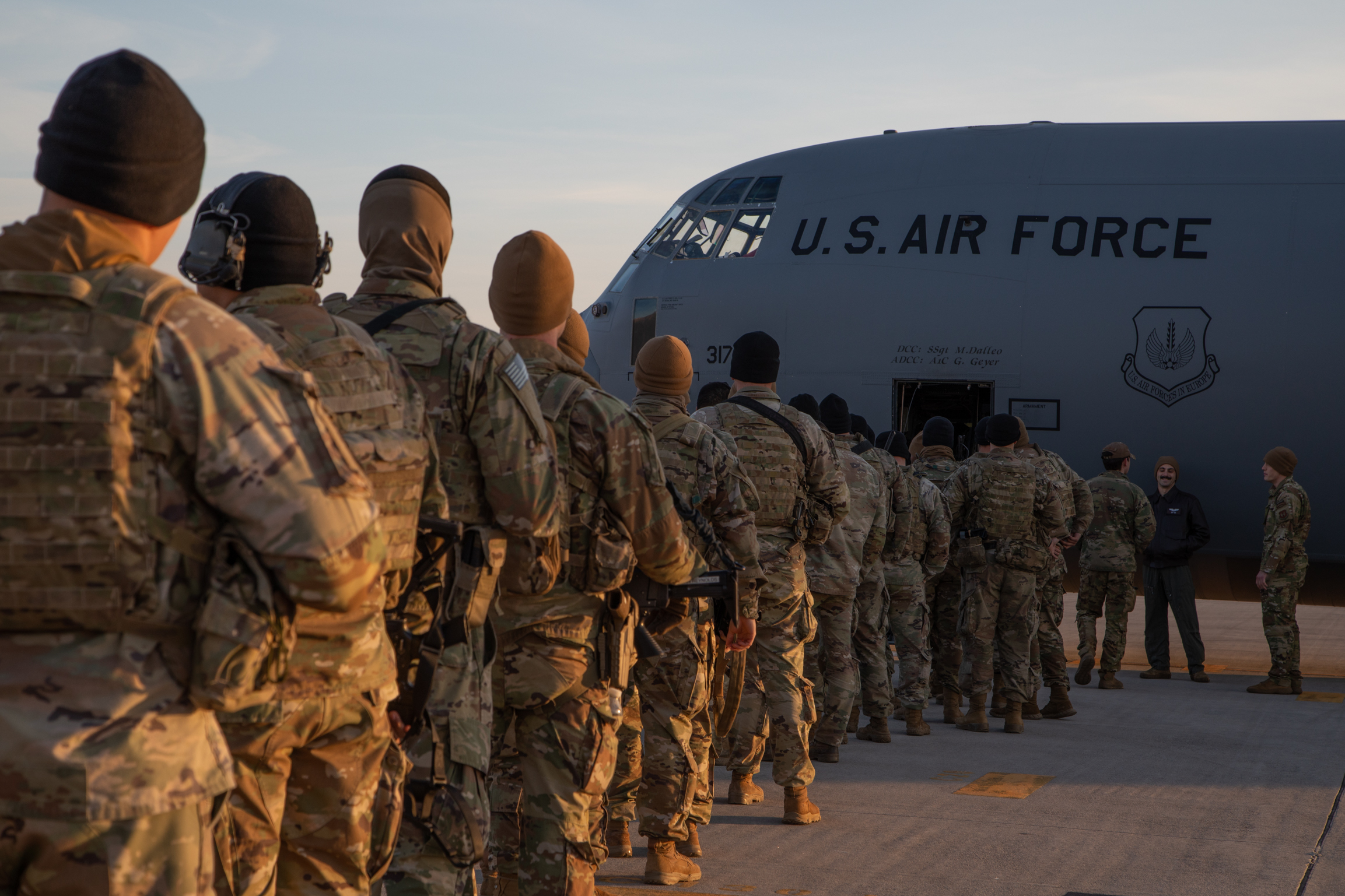
Rochester, NY: Reports that the Pentagon is getting ready for weeks-long ground operations inside Iran have heightened the already dangerous situation, adding a new element of urgency and uncertainty to the dispute between the United States, Israel, and Iran, which is entering its second month.
Even though President Trump has not yet given his official approval, current reports indicate that American military strategists are seriously contemplating scenarios including Special Operations raids and limited force deployments.
The main difference that comes out of these allegations is that instead of being ready for an invasion, Washington is apparently planning specific ground operations with strict deadlines.
One possibility is to avoid the prolonged occupation that characterized previous American conflicts in the area, while simultaneously acquiring important coastal infrastructure or export centers.
But even as political officials are openly urging prudence, the military is prepared for escalation by deploying extra U.S. Marines and perhaps mobilizing thousands more soldiers from groups like the 82nd Airborne Division.
Strikes Persist and Air War Heats Up
The fighting is still very much going on and changing all the time on the battlefield. The conflict started on February 28, 2026, when the United States and Israel launched coordinated attacks against Iranian military and nuclear-related facilities. The operation quickly escalated into a long-term missile and air assault.
In recent days, Israeli forces have persisted in their airstrikes on Iranian targets, including sites close to Tehran that are associated with missile manufacturing and storage.
Attacks like this are a continuation of a larger strategy to weaken, rather than destroy, Iran’s ballistic missile capabilities, which the military has previously said have been considerably diminished.
Iran has persisted in launching missile barrages in retaliation on Israel despite these losses. Impacts have damaged infrastructure and industrial zones, and sirens have rung throughout Israeli cities many times, sending millions into shelters.
A key aspect of the battle is shown by this pattern: no side has attained definitive dominance. Iran can keep up the pressure with its missiles, drones, and scattered launch systems even while the United States and Israel have air dominance.
Iranian Retaliation and Its Regional Impact
Direct attacks on Israel are not the only course of action used by Iran in retaliation. Groups with ties to Iran and its allies have joined the fray, spreading the fighting throughout the area. A wider regional plan has been signaled by missile and drone operations that have targeted infrastructure in Gulf nations and critical economic locations linked to U.S. interests.
Meanwhile, the conflict’s geographic breadth has grown and the danger of interruption to vital global shipping routes has intensified due to the participation of groups like the Houthis in Yemen, who have attacked Israel.
The war’s regionalization has already had an impact on the economy. Concerns over the safety of the Strait of Hormuz and other vital energy routes have caused oil prices to skyrocket.
The Concept of Strategic Ground Operations
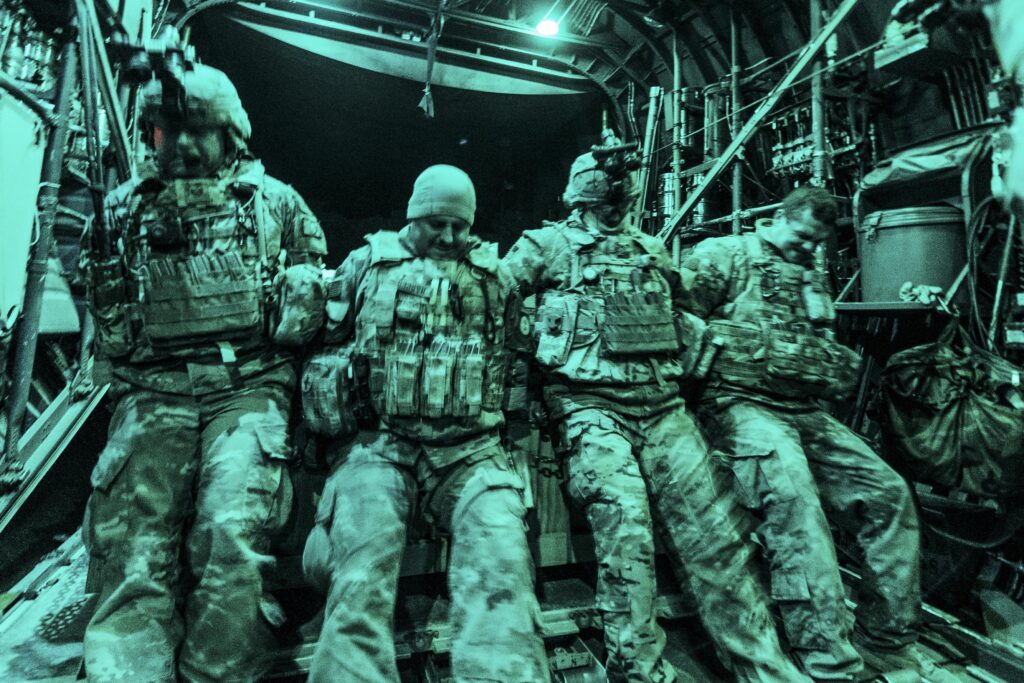
It is becoming more apparent in Washington that the strategic goals established at the outset of the fight may not be achieved only by bombing, and this is reflected in the reported contemplation of ground operations.
Aerial attacks have reduced Iran’s missile production and damaged infrastructure, but they have not eliminated the country’s military might or prompted a political settlement.
In order to achieve more definitive outcomes, limited ground assaults are being investigated. This might be achieved by seizing or neutralizing key nodes like missile launch locations or infrastructure. But there are big risks involved with these kinds of operations.
The United States military would encounter unconventional threats like as missile attacks, guerilla warfare, and swarms of unmanned aerial vehicles (UAVs).
Senior Iranian officials have warned of massive reprisal against U.S. troops and regional allies in the event of a ground invasion, and the Islamic Republic has already warned strongly against such an action.
Divisive Politics and Uncertain Diplomatic Situation
The idea of ground operations has caused controversy and discord in the US. Both Republican and Democratic lawmakers have raised concerns about the potential dangers and goals of prolonging the war without explicit legislative approval.
Even with limited activities, some fear the situation might worsen into a protracted battle if an escape plan is not in place.
The administration is using a two-pronged strategy, using military pressure in addition to continuing indirect talks, while also signaling openness to diplomacy.
Even while tensions are heating up, diplomatic lines are still functioning, according to efforts by regional states like Pakistan to facilitate discussions.
Striking a Balance between Radicalism and Moderation in a Conflict
The present situation is complicated since escalation and restraint are coexisting. A readiness to escalate the war is suggested, on the one hand, by military preparations and continuing strikes.
However, it seems that both sides are cognizant of the potential consequences of a wider conflict, given that neither side has made a definitive decision about ground operations nor both have maintained diplomatic communication.
On the ground, this tension is reflected in the situation. The United States finds itself caught between wanting a controlled result and increasing its military involvement as Israel maintains its aggressive air campaign and Iran retaliates on numerous fronts.
Conclusion: What Comes Next Is Anyone’s Guess
Though not yet a decision, the Pentagon’s stated intentions for ground operations lasting weeks indicate a significant change in perspective. The war has progressed to a point where aerial power alone may not end it, but ground troops still cost a pretty penny.
The conflict is still precariously balanced for the time being. On one hand, there are indications of escalation via ongoing strikes and regional spillover, as well as military buildups; on the other hand, there is a desire to prevent a full-scale ground conflict through diplomatic efforts and political restraint.
Whether the crisis stays confined or escalates into a more hazardous and protracted clash with global ramifications will depend on how this equilibrium develops in the next days.







