


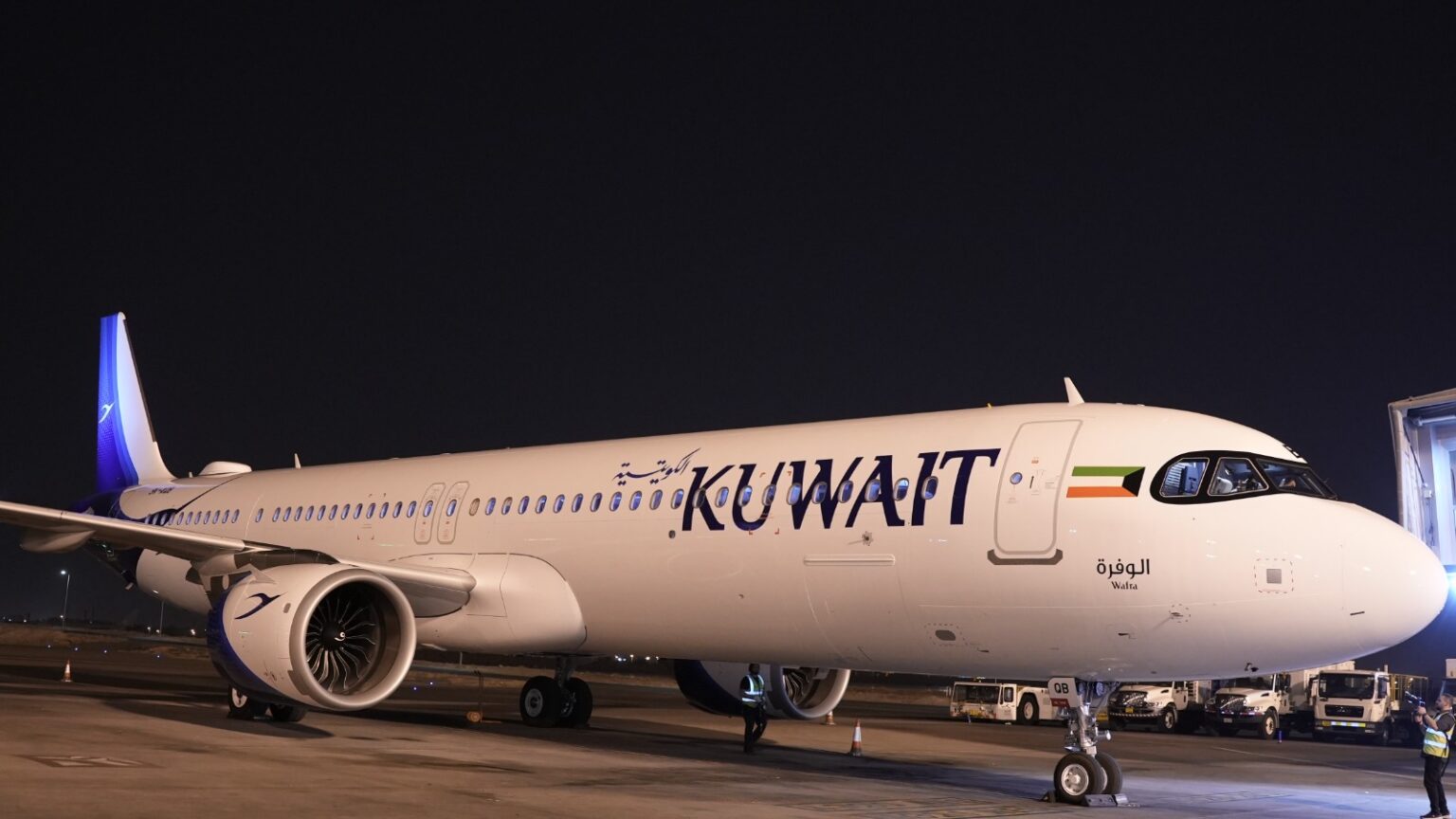
Kuwait Seeks International Action against Iran as missile and drone strikes near Kuwait International Airport push Kuwait to seek global aviation intervention. Civil aviation safety concerns emerge as conflict spills into one of the world’s busiest air corridors. Legal escalation shows growing diplomatic breakdown with Iran.
The complaint follows a series of Iranian missile and drone strikes that Kuwaiti authorities say directly endangered civilian aviation and critical infrastructure.
According to official figures released by Kuwait’s civil aviation authorities, nearly one hundred ballistic missiles and close to three hundred drones were detected and intercepted over Kuwaiti territory during the initial phase of the escalation.
Despite a high interception rate, several projectiles either landed or detonated near sensitive areas, including the vicinity of Kuwait International Airport, causing infrastructure damage and forcing temporary suspension of flight operations.
Civilian casualties, though limited compared to the scale of the attack, underscored the seriousness of the situation, with injuries reported and at least one fatality confirmed.
By taking the issue to ICAO, Kuwait is reframing the narrative of the conflict. Rather than treating the strikes solely as acts of military aggression, it is presenting them as violations of the global framework that governs civil aviation, particularly the principles established under the Chicago Convention.
This shift is significant because it elevates the matter beyond bilateral hostility and places it within a multilateral institutional context, where the safety of international air travel becomes the central concern.
In doing so, Kuwait is appealing not only to political allies but also to the broader international community, including countries that might otherwise remain neutral in regional disputes.
The implications for Iran–Kuwait relations are profound. Historically, Kuwait has maintained a relatively cautious and balanced approach toward Iran, often positioning itself as a mediator within the Gulf.
This latest move signals a departure from that posture. The act of filing a formal complaint with UN-affiliated body transforms diplomatic dissatisfaction into documented legal grievance, making it harder for relations to return to their previous equilibrium in the near term.
It reflects a growing sense within Kuwait that the boundaries of acceptable state behavior have been crossed, particularly when civilian infrastructure and international aviation are brought into the conflict zone.
At the regional level, the complaint contributes to a broader realignment. Gulf countries that have long expressed concern over Iran’s regional activities are likely to see Kuwait’s move as validation of their own positions.
This could accelerate coordination among Gulf Cooperation Council members and reinforce a collective diplomatic front. While the step does not constitute military escalation, it complements existing security cooperation with a parallel legal and political strategy aimed at increasing pressure on Tehran.
Globally, the situation raises serious concerns about the safety of one of the world’s most critical air transit corridors. The Persian Gulf region is a major artery for international aviation, linking Europe, Asia, and Africa.
Disruptions in Kuwaiti airspace, even if temporary, have ripple effects across global flight networks, forcing rerouting, increasing operational costs, and heightening risks for commercial airlines.
By bringing ICAO into the picture, Kuwait is effectively warning that the consequences of the conflict are no longer confined to the region but have direct implications for international civil aviation.
What happens next will depend largely on how ICAO responds and how Iran chooses to react. The organization is expected to review the complaint, seek clarification, and potentially issue recommendations or statements of concern.
However, ICAO’s lack of enforcement authority means that any outcome will rely heavily on diplomatic pressure rather than binding action. For Kuwait, this may be only the first step.
The issue could be escalated further to the United Nations Security Council, where broader political and possibly punitive measures could be discussed.
At the same time, the risk of continued escalation remains. Iran may reject the complaint as politically motivated, especially if it frames its actions within a broader regional conflict involving external powers.
Kuwait, on the other hand, is likely to strengthen its defensive posture while deepening coordination with allies. The result is a complex dynamic in which legal proceedings, diplomatic maneuvering, and military realities unfold simultaneously.
In essence, Kuwait’s ICAO complaint represents a strategic turning point. It underscores a transition from quiet diplomacy to formal international confrontation, while also highlighting the growing intersection between regional conflicts and global systems such as civil aviation.
Whether this move leads to de-escalation through international pressure or contributes to further polarization will depend on the responses of both Tehran and the wider international community in the coming weeks.







