


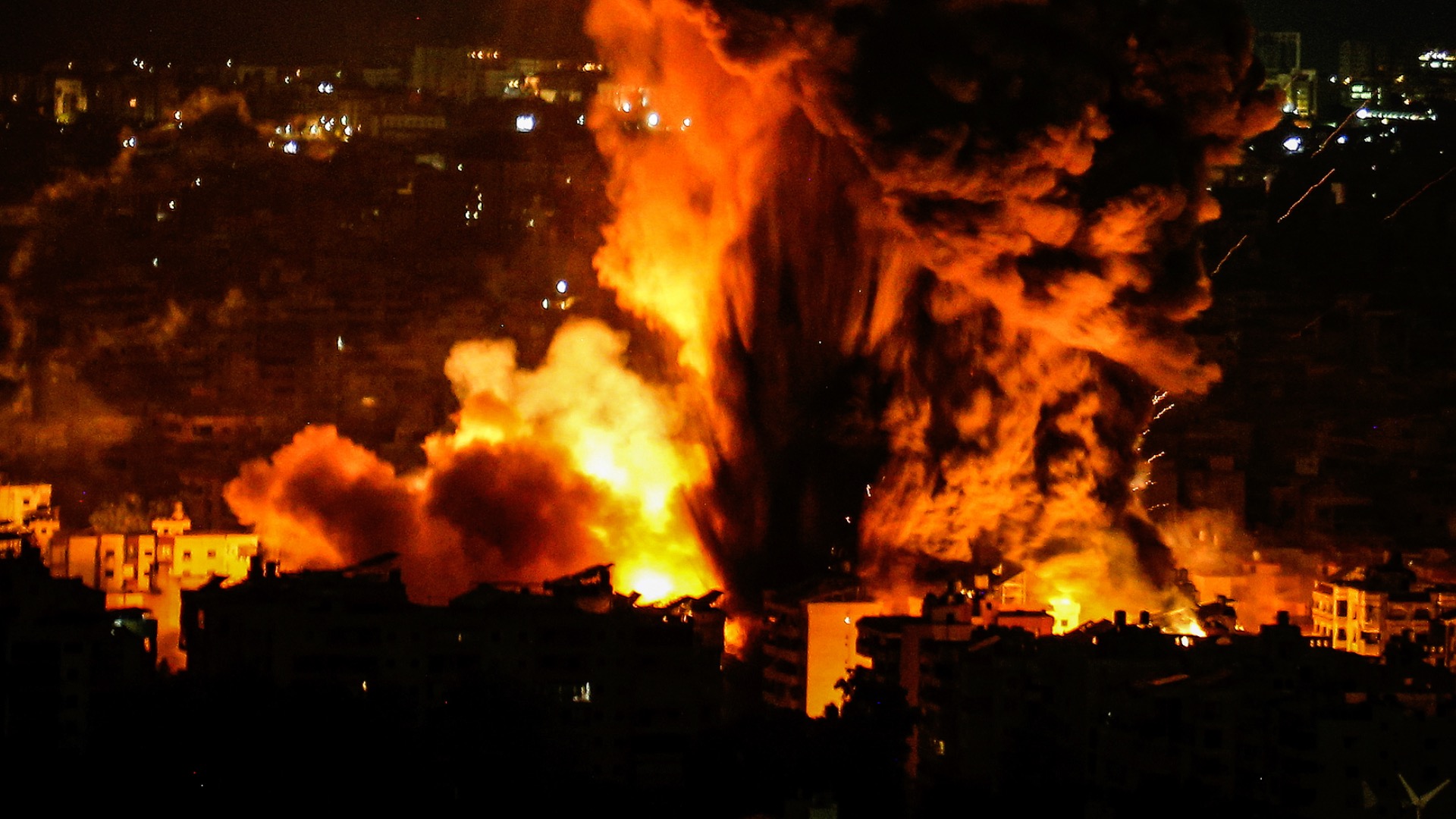
Rochester, NY/Islamabad: One of the worst military conflicts between Pakistan and Afghanistan in recent memory broke out in late February 2026, after decades of border tensions.
The two neighbors were pushed into outright conflict as what started as artillery duels and cross-border shelling along the rough 2,600-kilometer Durand Line swiftly escalated into full-scale air and ground operations.
There have been several days of aircraft bombardments and battles, resulting in the claimed destruction of more than 100 Taliban positions and multiple armored vehicles. Official statements from the Pakistani military claims that more than 330 Afghan Taliban soldiers have been killed and more than 500 have been injured.
Afghan allegations are drastically different, claiming 55 Pakistani troops dead and numerous taken, while Pakistan admits the loss of 12 soldiers killed and scores more wounded.
For a long time, tensions have been building along the border between Pakistan and Afghanistan. Islamabad has long claimed that militant groups, particularly the Tehrik-e-Taliban Pakistan (TTP) and its branches like Islamic State-Khorasan Province (ISKP), launch attacks on Pakistani targets from Afghanistan. While occasional battles and exchanges of gunfire occurred, the Taliban government of Afghanistan consistently rejected these accusations.
The war was momentarily halted in late 2025 by a weak truce that Qatar and Turkey had mediated, but mistrust remained. A suicide bombing and a terrorist strike in Bajaur that killed Pakistani security personnel further worsened ties by early 2026. Violent assaults within Pakistan also contributed to this.
On February 22, 2026, Pakistani airstrikes targeted insurgent camps associated with the TTP and ISKP in eastern Afghanistan, namely in the provinces of Nangarhar and Paktika, according to Islamabad. Afghan authorities reported civilian deaths, including women and children, while Pakistani officials reported dozens of insurgents killed.
Between February 24th and 26th, 2026, border battles broke out in several areas along the 2,600 km Durand Line, resulting in artillery and small-arms fire exchanged between the two sides. Though it denied starting the assault, Afghanistan said its military retaliated to the Pakistani attacks.
26 Feb 2026 – In response to what Islamabad saw as unwarranted attacks from Afghanistan, Pakistan intensified cross-border artillery and aviation operations, officially dubbed Operation Ghazab lil-Haq (“Wrath for the Truth”).
27 Feb 2026 – The Afghan Taliban vowed serious reprisal as Pakistan took an unprecedented step beyond boundary territories and launched extensive bombings on Afghan cities including Kabul, Kandahar, and Paktika, significantly escalating the situation. The Pakistani military has officially said that there is “open war” between the two countries.
On February 28, 2026, news surfaced that Afghan troops had detained the pilot of a Pakistani plane that had been shot down near Jalalabad, keeping tensions high. Casualties were reported on both sides as the heavy fire exchanges persisted.
From the perspective of Islamabad:
The strikes are a reaction to the several insurgent assaults that Pakistan claims were launched from bases in Afghanistan on Pakistani land.
“Ghazab lil-Haq” suggests a moral and existential justification for the operation in response to what Pakistan views as ongoing dangers.
Pakistani officials have made public claims of neutralizing substantial military equipment, destroying dozens of positions, and killing hundreds of Taliban insurgents. The storyline highlights the determination and might of Pakistan’s military.
The government has been trying to assuage domestic fears by stressing the need of maintaining territorial integrity and the importance of national unity.
This stance, according to analysts, is an attempt by Islamabad to highlight its displeasure with what it perceives as Kabul’s inability or reluctance to handle terrorist bases while also giving the impression that Pakistan is acting in sovereign self-defense.
The Taliban’s Rhetoric and Afghanistan’s Reaction
By targeting civilian infrastructure and religious places, the Pakistani strikes have been denounced by the Afghan Taliban as flagrant breaches of sovereignty and international law. Pakistan has been accused by Afghan authorities of aggravating the situation and, on occasion, of causing heavy fatalities to Pakistani soldiers.
The Taliban’s top brass and spokespeople have warned, in violent language, that Pakistan’s policy would face retaliation from Kabul in the event of intrusions. An attempt to maintain internal legitimacy in the face of intensifying violence is reflected in this language, which also displays ideological tenacity.
The position of US president Donald J. Trump: Supporting without Intervening Directly
In the midst of the escalation, U.S. President Donald Trump has openly addressed the dispute. There are now two branches of his message that are complimentary to each other:
Support for Pakistan’s right to defend itself against Taliban assaults; praise for Pakistan’s leadership and defense posture; Trump affirms Washington’s support for Pakistan; and said he “gets along very well” with Prime Minister Shahbaz Sharif and Military Chief General Asim Munir.
Concurrently, Trump has said that the US would not use military force to engage in the Pakistan-Afghanistan war, indicating a strategic preference for a low level of US involvement and an endorsement of regional accountability for security issues.
In line with wider geopolitical goals, this position mirrors the U.S. strategy of balancing strategic alliances while reducing direct engagement in regional wars.
Potential Strategic Consequences and Upcoming Dangers
1. The Intensification of a Prolonged Border Conflict
The geopolitical climate in South Asia is dangerously escalating as it moves from occasional skirmishes to full conflict. The two administrations commanded by the Taliban have been pulled into direct military confrontation over border issues, which have previously been exploited by non-state actors. This raises the likelihood of a lengthy battle.
2: Taliban Attacks VS State Agencies
Commanders in the Taliban use speech as a kind of psychological warfare and a pledge to fight intrusions by threatening heavier vengeance. In contrast to Pakistan’s stronger military system, the Taliban lack both a conventional Afghan air force and official international recognition, limiting their strategic choices.
3. Effects on Civilians and Humanitarian Issues
Victims and displaced people have been recorded on both sides of the border by independent and UN monitoring sources. These consequences worsen humanitarian issues and may cause border regions to become even more unstable.
4. Regional and International Mediation
The current efforts to entice Qatar, Saudi Arabia, China, and Turkey to mediate highlight broader worries about the potential for conflict to spread. The United States and other global powers are keeping a careful eye on regional alliances in an effort to maintain a delicate balance without intervening directly.
Final Thought
The most serious chapter in the Pakistan-Afghanistan war in decades has begun with the recent airstrikes by Pakistan in Afghanistan and the subsequent intense border clashes. Although the Taliban leadership denounces Islamabad’s operations as illegitimate aggression, Islamabad views them through the strategic prism of national security imperatives as a vital defense against terrorist threats. The diplomatic situation is further complicated by President Trump’s supportive but non-interventionist position.
As things continue to escalate, there is mounting pressure on the international community to mediate a discussion, stop further regional instability, and deal with the rising humanitarian cost.
As this story continues to develop, The Variant will provide updates, analysis, and key insights to keep readers informed.







