


Boston, MA: In a significant legal development on March 31, 2026, a federal judge in Boston ruled that the U.S. government unlawfully terminated the legal status of nearly one million immigrants who had entered the United States through a process using the CBP One app, a system created under the Biden administration to manage border entries.
The decision requires the Department of Homeland Security (DHS) to reinstate the parole status and related work authorization for these immigrants while litigation continues.
The CBP One mobile application was introduced in 2023 during the Biden administration as a tool for asylum seekers and other migrants to schedule appointments with U.S. Customs and Border Protection.
Migrants who used the app and were inspected at the border were often granted humanitarian parole—a temporary legal status that allowed them to live and work in the U.S. lawfully for a defined period.
When President Donald Trump returned to office in January 2025, his administration discontinued the use of the CBP One app and, in April 2025, sent emails to roughly 900,000 parolees telling them it was “time for you to leave the United States.” This move abruptly stripped many migrants of their parole status and work authorization, leaving them in legal uncertainty.
The Court’s Ruling
U.S. District Judge Allison Burroughs in Boston found that DHS acted unlawfully by terminating parole without following required procedures. Specifically, the judge determined that the government failed to provide an individualized determination that the purposes of parole had been met before ending the migrants’ legal status. Because the agency did not follow the statutory and regulatory process, the court ruled that the termination exceeded DHS’s legal authority.
Judge Burroughs’ decision means that the affected immigrants retain their parole status and work permits for now, and the administration must restore processing of their immigration benefit applications.
The ruling also certified a nationwide class, ensuring that all impacted individuals are protected by the order as the case proceeds.
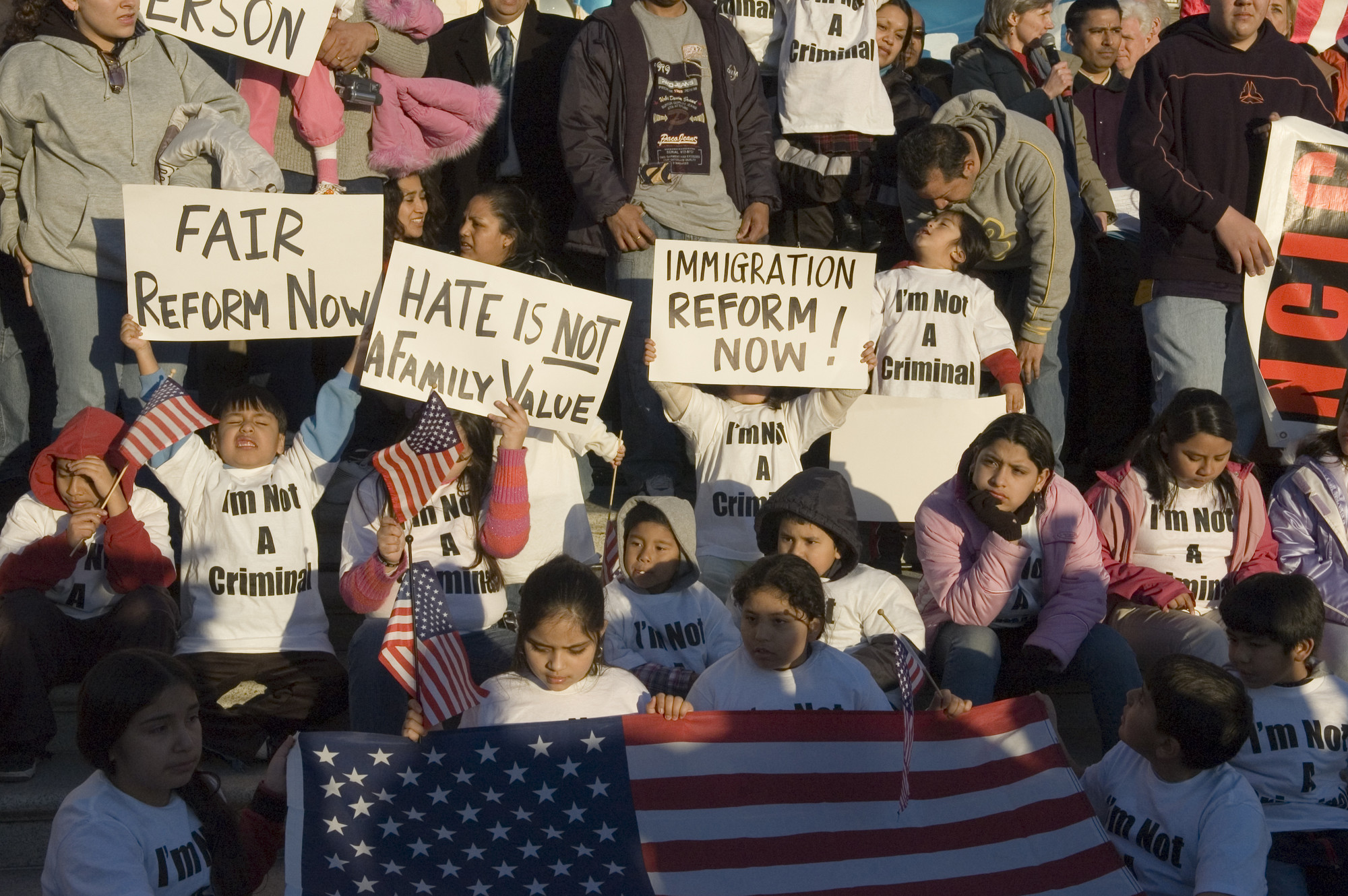
Advocacy groups and immigrant rights organizations praised the ruling as a crucial defense of legal protections for immigrants who complied with U.S. entry processes. Liberal legal advocates emphasized that migrants followed the law, registered through the app, were inspected, and were granted parole under existing regulations, and that the abrupt revocation of status created fear and uncertainty among families and communities.
Conversely, the Department of Homeland Security criticized the decision, describing it as judicial overreach that could undermine federal authority over immigration and border security.
DHS officials argued that parole decisions fall within the executive branch’s discretion and that the court’s intervention could complicate enforcement efforts.
This federal court decision comes amid a broader series of legal challenges to immigration policy changes under the current administration. For example, the U.S. Supreme Court previously allowed the Trump administration to end Temporary Protected Status (TPS) for hundreds of thousands of Venezuelan immigrants, a move described as the largest stripping of immigration status for any group in recent U.S. history.
In addition, other cases involving the termination of TPS for Haitian and Syrian nationals are pending before the Supreme Court, underscoring the deep legal and political battles over immigration policy and executive authority.
What This Means for Immigrants
For the immigrants directly affected by the Boston ruling—many from Venezuela, Cuba, Haiti, and other countries—the decision provides temporary relief and legal certainty. Their parole status and work authorizations remain in place while the litigation continues, allowing them to live and work in the U.S. without the immediate threat of removal.
However, the ruling does not grant permanent legal status or a pathway to citizenship. It preserves existing protections while the underlying legal dispute is resolved in federal court.
The case is likely to continue through appeals and further litigation, potentially reaching higher courts. Its outcome will have important implications for how immigration law is interpreted and enforced, particularly regarding the limits of executive authority and the procedural rights of immigrants admitted under humanitarian parole programs.







