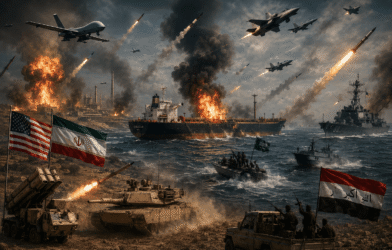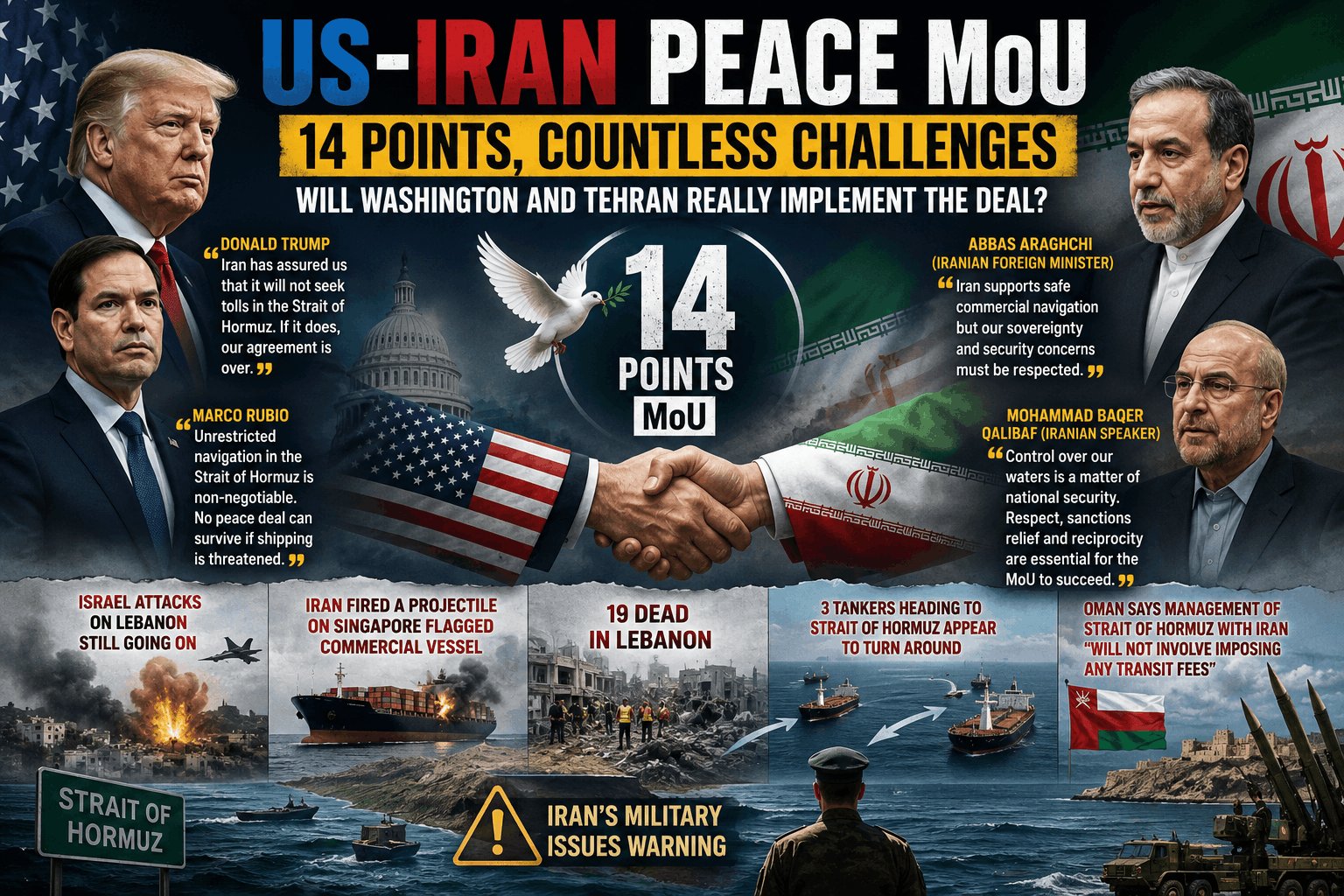
Rochester, NY: Peace on Paper, Conflict at Sea:, Israel has continued military operations in southern Lebanon despite diplomatic efforts to widen the ceasefire. Reports of an attack on a Singapore-flagged commercial vessel in the Strait of Hormuz, the diversion of several oil tankers approaching the waterway, and renewed military warnings from Iran have once again placed global shipping under pressure.
These developments raise a fundamental question: are Washington and Tehran genuinely prepared to implement all fourteen commitments of the MoU, or is the agreement merely a temporary political arrangement designed to buy time?
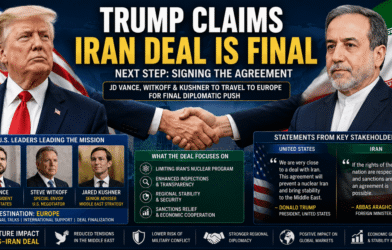
The United States-Iran Memorandum of Understanding (MoU), built around fourteen broad commitments aimed at ending direct hostilities, restoring maritime security, reducing sanctions-related tensions, and preventing further regional escalation, was presented as the first meaningful diplomatic breakthrough after months of military confrontation.
Yet, within days of its announcement, developments across the Middle East suggested that the agreement faces far greater challenges than the negotiating table anticipated.
The Fourteen-Point MoU Faces Its First Real Test
The credibility of any peace agreement depends not on signatures but on implementation. Most provisions of the MoU reportedly revolve around de-escalation, freedom of navigation, confidence-building, sanctions relief, nuclear monitoring, restraint by regional allies, and avoidance of direct military confrontation.
At first glance, both Washington and Tehran continue to publicly support the diplomatic process. However, events on the ground reveal a widening gap between diplomatic language and military realities.
One of the most significant principles of the MoU was restoring confidence in maritime security throughout the Persian Gulf and the Strait of Hormuz.
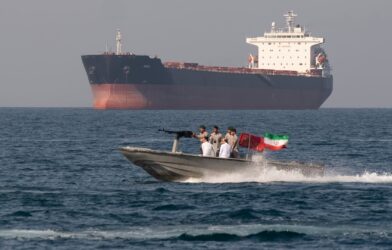
That commitment has immediately come under pressure after reports that a Singapore-flagged commercial vessel came under attack and shipping companies began reassessing their routes through one of the world’s busiest energy corridors. Several tankers reportedly altered course before entering the Strait following renewed Iranian military warnings, highlighting that commercial confidence has not yet returned despite the diplomatic breakthrough.
Israel’s Lebanon Campaign Remains the Largest External Challenge
Perhaps the biggest weakness of the MoU is that it primarily addresses U.S.-Iran tensions while leaving several regional conflicts only partially covered.
Israeli military operations in southern Lebanon continue despite international efforts to stabilize the region. Tehran has repeatedly argued that sustainable peace cannot exist while Israeli strikes continue against Lebanese territory.
This disagreement illustrates one of the structural limitations of the agreement: Washington may influence Israel diplomatically, but it cannot always guarantee Israeli military decisions.
Continued fighting in Lebanon therefore risks undermining one of the agreement’s broader objectives—regional de-escalation.
Hormuz: The Real Measure of Trust
Freedom of navigation remains the most visible indicator of whether both governments are honoring their commitments.
President Donald Trump recently stated that Iranian officials had assured Washington they were not seeking to impose tolls or transit charges on ships passing through the Strait of Hormuz. Trump warned that if Iran were to reverse that position, the diplomatic process itself would be jeopardized.
Secretary of State Marco Rubio has taken an even firmer position. During his Gulf tour, Rubio emphasized that unrestricted navigation through the Strait is a non-negotiable principle of any lasting agreement.
He argued that no peace arrangement can survive if commercial shipping remains vulnerable to political pressure or financial demands, and rejected any proposal resembling transit fees or mandatory tolls.
On the Iranian side, Foreign Minister Abbas Araghchi has continued to argue that Iran supports safe commercial navigation but insists that regional security must respect Iran’s sovereignty and legitimate security concerns.
Iranian officials have repeatedly maintained that maritime coordination with neighboring states remains essential for ensuring stability in the Gulf.
Iranian parliamentary leadership has likewise argued that the country’s control over its surrounding waters is inseparable from its national security strategy, while stressing that external military pressure would only complicate implementation of the agreement.
Public messaging from Iranian political leaders has consistently emphasized that sanctions relief, respect for Iranian sovereignty, and reciprocal compliance are necessary if the MoU is to endure.
Meanwhile, Oman has attempted to calm international markets by indicating that any future cooperative management of the Strait with Iran would not involve imposing transit fees on commercial shipping, reflecting Muscat’s continued role as a regional mediator.
Can Both Sides Fully Implement the Agreement?
A careful assessment suggests that neither side currently possesses complete control over all variables affecting implementation.
The United States can suspend sanctions, encourage diplomacy, and reassure Gulf partners, but it cannot single-handedly halt Israeli military operations or eliminate every regional flashpoint.
Iran, meanwhile, may officially support maritime security, but maintaining discipline among military institutions while projecting strategic deterrence remains an equally complex challenge.
Any attack on commercial shipping or renewed restrictions in the Strait immediately weakens Tehran’s diplomatic credibility regardless of official statements.
This creates a dangerous implementation gap: political leaders may remain committed to diplomacy while military developments steadily erode confidence in the agreement.
Wrapping up
The fourteen-point Memorandum of Understanding represents an important diplomatic opening rather than a completed peace settlement.
Its success depends less on diplomatic ceremonies than on measurable actions: uninterrupted commercial navigation through the Strait of Hormuz, sustained restraint by all regional actors, meaningful progress on sanctions and nuclear issues, and above all a reduction in proxy-related violence.
At present, the evidence presents a mixed picture. Washington and Tehran continue to defend the diplomatic process publicly, yet events in Lebanon and the Gulf reveal that implementation remains fragile.
Unless both governments demonstrate consistent compliance—and unless regional partners also exercise restraint—the MoU risks becoming another Middle Eastern agreement remembered more for its promises than for its achievements.
The coming weeks, particularly developments in the Strait of Hormuz and southern Lebanon, are likely to determine whether this agreement evolves into durable peace or becomes another temporary pause in a much longer conflict.
Keep following The Variant as we continue to monitor developments and provide informed perspectives on this evolving situation.