


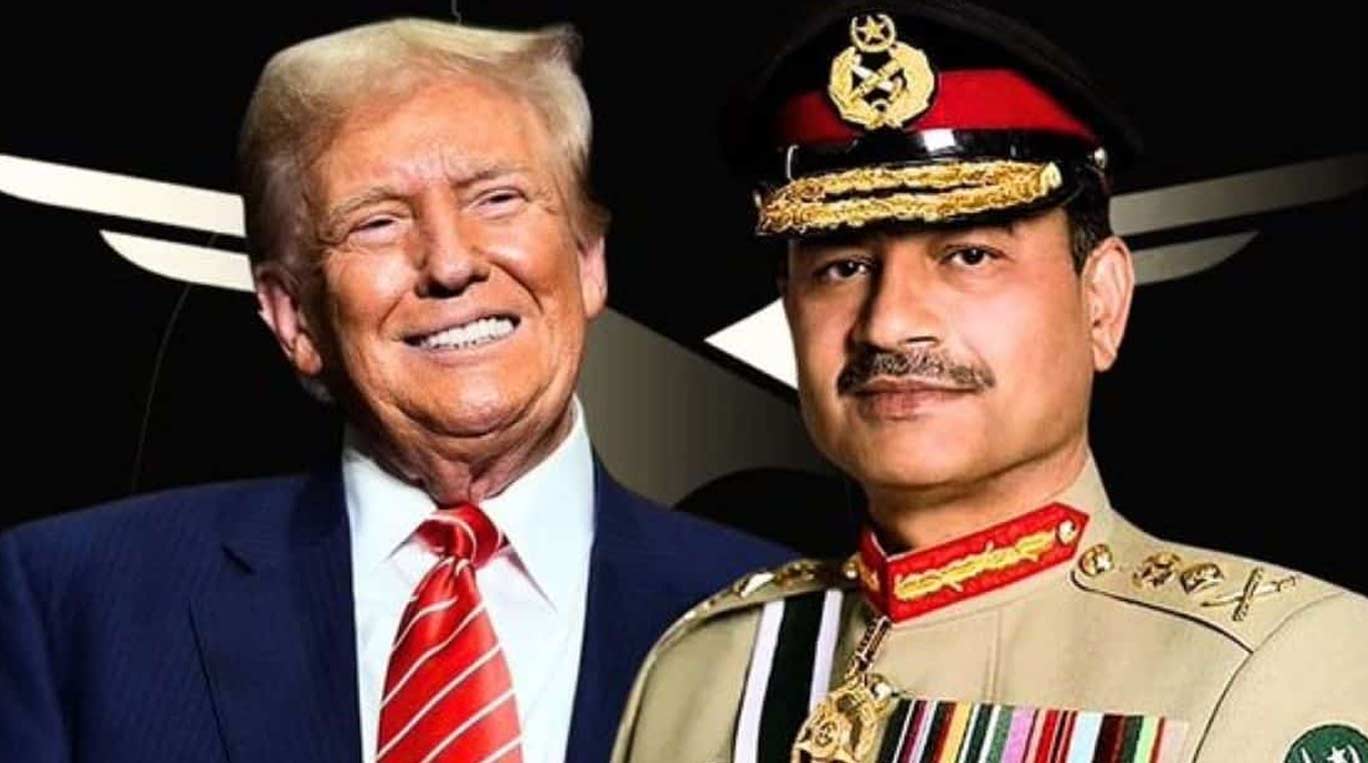
Rochester, NY: As tensions between the United States and Iran continue to escalate toward a dangerous tipping point, an unexpected diplomatic actor has entered the frame.
Pakistan’s military chief Asim Munir has reportedly held direct communication with Donald Trump, signaling Islamabad’s willingness to position itself as a mediator in a rapidly deteriorating crisis.
This outreach reflects not only urgency but also strategic calculation, as Pakistan attempts to leverage its geographic proximity, historical ties with Iran, and longstanding—if complex—relationship with Washington.
At the same time, Indian Prime Minister Narendra Modi has publicly stated that he received a call from Trump, during which assurances were discussed regarding keeping the Strait of Hormuz open for global energy flows.
This parallel diplomatic channel highlights how multiple regional powers are being pulled into crisis management, each attempting to secure their own strategic and economic interests.
Contradictions and Strategic Silence in Washington
In Washington, a notable moment added further ambiguity to the evolving narrative. When questioned by reporters about the role of Vice President JD Vance in leading a negotiation delegation, Trump chose to ignore the question entirely.
This silence is not merely incidental—it reflects a broader pattern of strategic ambiguity that has characterized US messaging during the crisis.
By neither confirming nor denying the existence of formal negotiations, the US administration appears to be preserving tactical flexibility. This allows Washington to simultaneously project strength through military signaling while leaving space for backchannel diplomacy.
However, such opacity also risks confusing allies and emboldening adversaries, particularly in a volatile environment where miscalculation could trigger wider conflict.
Can Pakistan Truly Mediate? Conditions and Constraints
Pakistan’s aspiration to mediate between Iran and the United States is ambitious but not entirely unrealistic. Historically, Islamabad has maintained working relationships with both sides.
It has cooperated closely with Washington on security matters while also preserving diplomatic and economic ties with Tehran. This dual engagement gives Pakistan a unique—if delicate—position.
However, effective mediation requires more than access; it demands credibility and trust. Iran may remain skeptical of Pakistan’s neutrality, especially in light of allegations regarding airspace usage.
Similarly, the United States may question Islamabad’s capacity to influence Tehran’s strategic calculus.
Moreover, Pakistan’s internal political instability and economic fragility could limit its ability to sustain prolonged diplomatic engagement.
For mediation to succeed, Pakistan would need to offer tangible guarantees—perhaps in the form of facilitating indirect talks, ensuring border neutrality, or coordinating regional de-escalation mechanisms. It may also require backing from other influential actors such as China or Gulf states to enhance its legitimacy.
The Economics of Peace: What Pakistan Stands to Gain
Beyond geopolitical relevance, Pakistan’s mediation effort is also deeply tied to economic incentives. Successfully brokering even a temporary de-escalation could unlock significant financial and diplomatic benefits.
Islamabad could seek debt relief, increased military and economic aid from the United States, or preferential trade agreements. From Gulf partners, it might expect investment inflows or energy concessions as a reward for stabilizing a critical region.
Additionally, playing a constructive role in preventing disruption in the Strait of Hormuz would elevate Pakistan’s global standing.
As one of the world’s most critical chokepoints, any assurance of its openness carries immense value for global markets. By contributing to that stability, Pakistan could reposition itself as a responsible regional stakeholder rather than a security liability.
A High-Risk, High-Reward Gamble
Pakistan’s entry into the US–Iran crisis is a calculated gamble. On one side lies the opportunity to reshape its international image, gain economic relief, and assert diplomatic relevance. On the other lies the fear of miscalculation, regional backlash, and potential military entanglement.
As competing narratives emerge—from Washington, New Delhi and Tehran—the coming days will test whether Pakistan can navigate this critical diplomatic landscape or whether it will be pulled deeper into a conflict it seeks to contain.







