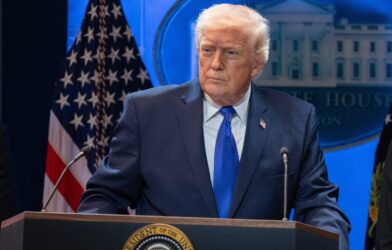
Rochester, NY: For a television discussion aimed at an international audience, it is important to separate personality from policy. President Donald Trump has developed a political style that is markedly different from traditional American presidents.
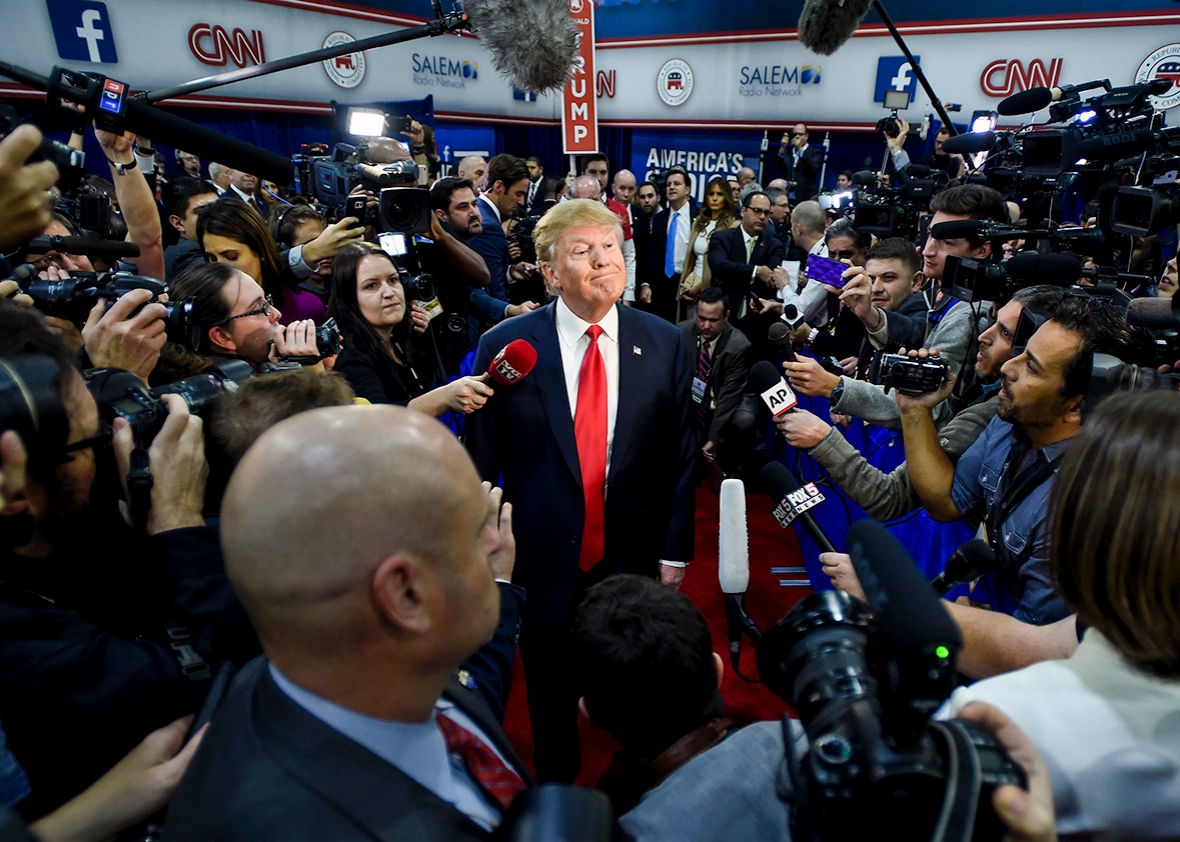
His interactions with journalists often appear abrupt, confrontational, and highly personalized. Supporters view this approach as a sign of strength and authenticity, while critics argue that it damages the dignity of the presidency and weakens trust in democratic institutions.
The roots of Trump’s media behavior can be traced to his background in business, branding, and reality television. Unlike conventional politicians who often rely on carefully crafted diplomatic language, Trump prefers direct and provocative communication.
He frequently challenges reporters, questions media credibility, and uses public confrontation as a political tool. In his view, many mainstream media organizations are not neutral observers but political actors. Consequently, he often treats press conferences as political battlegrounds rather than opportunities for information sharing.
From a behavioral perspective, Trump’s communication style reflects a preference for dominance, conflict-driven messaging, and narrative control. Political psychologists have often described his approach as one that thrives on attention and polarization.
By creating moments of confrontation, he ensures that media coverage remains focused on him and his agenda. In today’s digital era, where controversy often generates greater visibility than consensus, such a strategy can be politically effective in mobilizing supporters.
However, the global consequences of this communication style are significant. The President of the United States is not merely a national leader; he is one of the most influential political figures in the world. Every statement, gesture, and interaction is scrutinized by allies, rivals, investors, diplomats, and ordinary citizens across continents.
When a U.S. president publicly clashes with journalists, some international observers interpret it as a challenge to the principle of press freedom, which has long been promoted as a cornerstone of American democracy.
Countries that face criticism from Washington over media restrictions sometimes use these confrontations to argue that even the United States struggles with media relations. This can weaken America’s moral authority when advocating for democratic values abroad.
Furthermore, abrupt exchanges can create uncertainty among allies. Diplomacy often relies on predictability and clarity. Harsh or unexpected remarks made during press interactions can trigger speculation in foreign capitals about U.S. intentions. Markets may react, diplomatic partners may seek clarification, and adversaries may attempt to exploit perceived divisions.
At the same time, there is another side to the international perception. Many people around the world who are frustrated with traditional political elites view Trump’s style as refreshing and honest.
They argue that he speaks in a language ordinary citizens understand rather than relying on carefully scripted political rhetoric. This perception has contributed to the rise of populist political movements in various countries, where leaders have adopted similar communication strategies.
The challenge for America’s global image is that presidential communication carries symbolic weight. While supporters may appreciate a tough approach toward journalists, repeated confrontations can overshadow policy achievements.
International audiences often remember dramatic exchanges more than detailed policy announcements. As a result, the focus shifts from governance to personality.
For image-building purposes, a world leader must strike a balance between strength and statesmanship.
A president can remain firm and confident while also demonstrating respect for institutions and professional journalism. Strong leadership does not necessarily require confrontation. In fact, some of the most influential leaders in modern history combined decisiveness with restraint.
For President Trump, several approaches could strengthen his international image. First, maintaining a distinction between political opponents and the institution of the press would help reduce criticism regarding democratic norms.
Second, adopting a more measured tone during high-profile international discussions would reinforce perceptions of stability and predictability.
Third, increasing engagement with global media outlets could broaden understanding of U.S. policies beyond domestic political debates.
Finally, emphasizing national achievements through detailed policy explanations rather than personal disputes would allow accomplishments to receive greater international attention.
In conclusion, Donald Trump’s confrontational relationship with the media is both a political strategy and a defining feature of his leadership style.
It energizes supporters and keeps him at the center of public debate, but it also carries risks for America’s international reputation and diplomatic influence.
For a U.S. president whose words resonate across the globe, the challenge is not simply winning domestic political battles; it is preserving the image of American leadership in an increasingly interconnected and scrutinized world.
A balance between confidence, transparency, and respect for democratic institutions remains the most effective path toward strengthening both presidential credibility and America’s global standing
Stay ahead of emerging trends and international developments with trusted reporting and analysis from The Variant.