Washington, DC/Rochester, NY: The two capitals of the world, Washington and Moscow— the current wars in Iran and Ukraine have altered global security dynamics and unsettled markets.
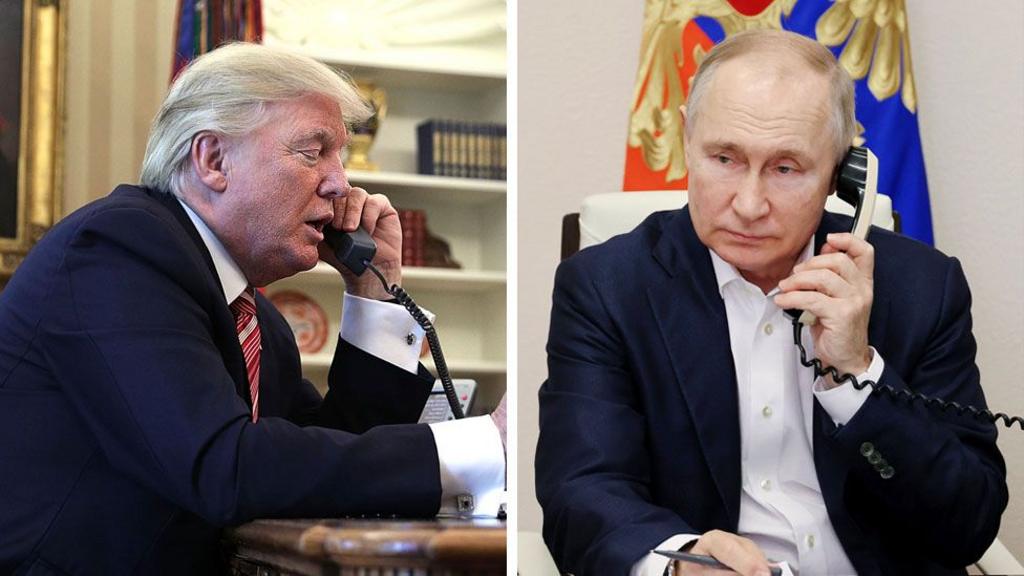
On March 9, 2026, in a unique instance of direct engagement between the world’s two most powerful nuclear states, U.S. President Donald Trump and Russian President Vladimir Putin had an hour-long telephone conversation.
The White House had initiated the conversation, and the Kremlin had characterized it as “frank, businesslike and constructive.” This was the first direct communication between the presidents since the confrontation with Iran began.
After the conversation, Trump said reporters, “I had a very excellent call with President Putin. We discussed the ongoing conflict in Ukraine and other topics related to the Middle East. He aspires to be of service.
Putin, as reported by the Kremlin, presented Trump with a number of options for a swift political and diplomatic resolution to the Iran crisis, including references to his meetings with Gulf leaders and Tehran.
Putin said the meeting was “very substantial,” and he and the Iranian leader discussed ways to resolve the dispute, one of which was to further up diplomatic ties with neighboring countries.
No Victory, but a Door Opened for Diplomacy
The conversation did not result in a specific plan for peace, despite the upbeat rhetoric from both parties. The United States government has made it clear that words alone will not be enough to bring about a permanent end to the fighting in both regions.
With his comments on the “tremendous hatred” between Putin and President Volodymyr Zelenskyy, Trump highlighted the schisms surrounding the Ukrainian conflict and said that a settlement was still out of reach.
Despite Trump’s praise for Russia’s suggestions for resolving the Iran crisis, experts say that Moscow’s ties to Tehran pose a geopolitical challenge to American diplomatic objectives.
Russian President Vladimir Putin has just openly pledged his “unwavering support” to the newly inaugurated Supreme Leader of Iran, signaling Moscow’s persistence in regional alignment despite its diplomatic engagement with the United States.
U.S. Policy on Iran War Deterrence
The conversation raises the important issue of whether the US can create effective deterrence in the Iran war. In defiance of American and Israeli attacks, Tehran has signaled its readiness to maintain hostilities indefinitely in order to prevent “unconditional surrender.”
Two things, according to experts, are crucial to American deterrence:
Credibility in the military entails maintaining a large enough troop presence and setting clear enough boundaries that Tehran perceives the consequences of escalation as being intolerable.
Allied cohesion: Putting up a united front in conjunction with regional allies, particularly Gulf nations.
While Trump’s willingness to engage Putin in conversation does not indicate a significant change in stance, it does imply that Washington is seeking diplomatic leverage as a kind of deterrent.
Some worry that the United States’ attempts to isolate Iran will be undermined if it continues to depend on Moscow, which has its own reasons for resisting American influence.
The Role of Russia: Opportunist or Power Broker?
Putin’s involvement in talks over both conflicts highlights Russia’s double role internationally:
Moscow maintains its military sway in Ukraine and uses it to affect ground results, often seeking negotiated agreements that mirror Russian successes or establish strategic barriers.
Russia has the ability to shape the parameters of a ceasefire or the diplomatic framework in the Middle East because of its longstanding relationship with Iran and its interactions with Gulf nations.
However, Moscow’s goals and Washington’s do not coincide exactly. Despite Trump’s request for Putin’s assistance with de-escalation efforts, Putin’s position as Iran’s security policy supervisor enhances Russia’s regional influence and undermines the strategic supremacy of the United States.
Russia may potentially restructure the post-war order by using its standing as an intermediary to get political legitimacy or sanctions relief from Ukraine, according to analysts.
Anticipating the Future
Despite the positive tone that both presidents used, there are still significant obstacles:
- There is no sign of surrender from Iran’s leadership.
- There is no fast deal in sight to end the fighting in Ukraine, and the country’s security situation is still unstable.
The geopolitical maneuverings of Russia indicate that the country is trying to strike a balance between working with the United States and pursuing its own strategic goals.
International experts believe that more than just a single phone contact between the presidents will be needed to achieve meaningful multilateral engagement and long-term peace talks, despite the fact that the Trump-Putin communication has added a new level of diplomatic engagement at this time.