Courtesy: Reporting Contribution by Salman-Bin-Kareem [A Senior Journalist I Doha, Qatar]
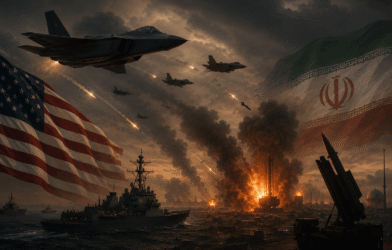
Washington, D.C/Rochester, NY/Doha, QA: The military confrontation between the United States and Iran has entered another volatile phase, with fighting expanding well beyond direct exchanges between Washington and Tehran.
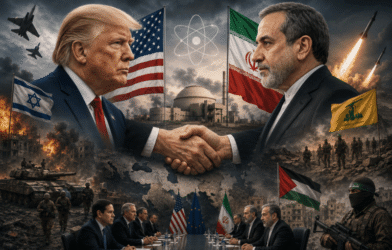
The latest developments indicate that the conflict has evolved into a multi-front regional confrontation involving Iran-backed armed groups, Israel, Saudi Arabia, and the United States.
Recent days have witnessed renewed missile launches, expanded air operations, attacks on maritime routes, and growing concern that the crisis could draw additional regional powers into sustained military action.
The immediate trigger for the latest escalation was Iran’s attempted ballistic missile attack against U.S. forces stationed in the Middle East.
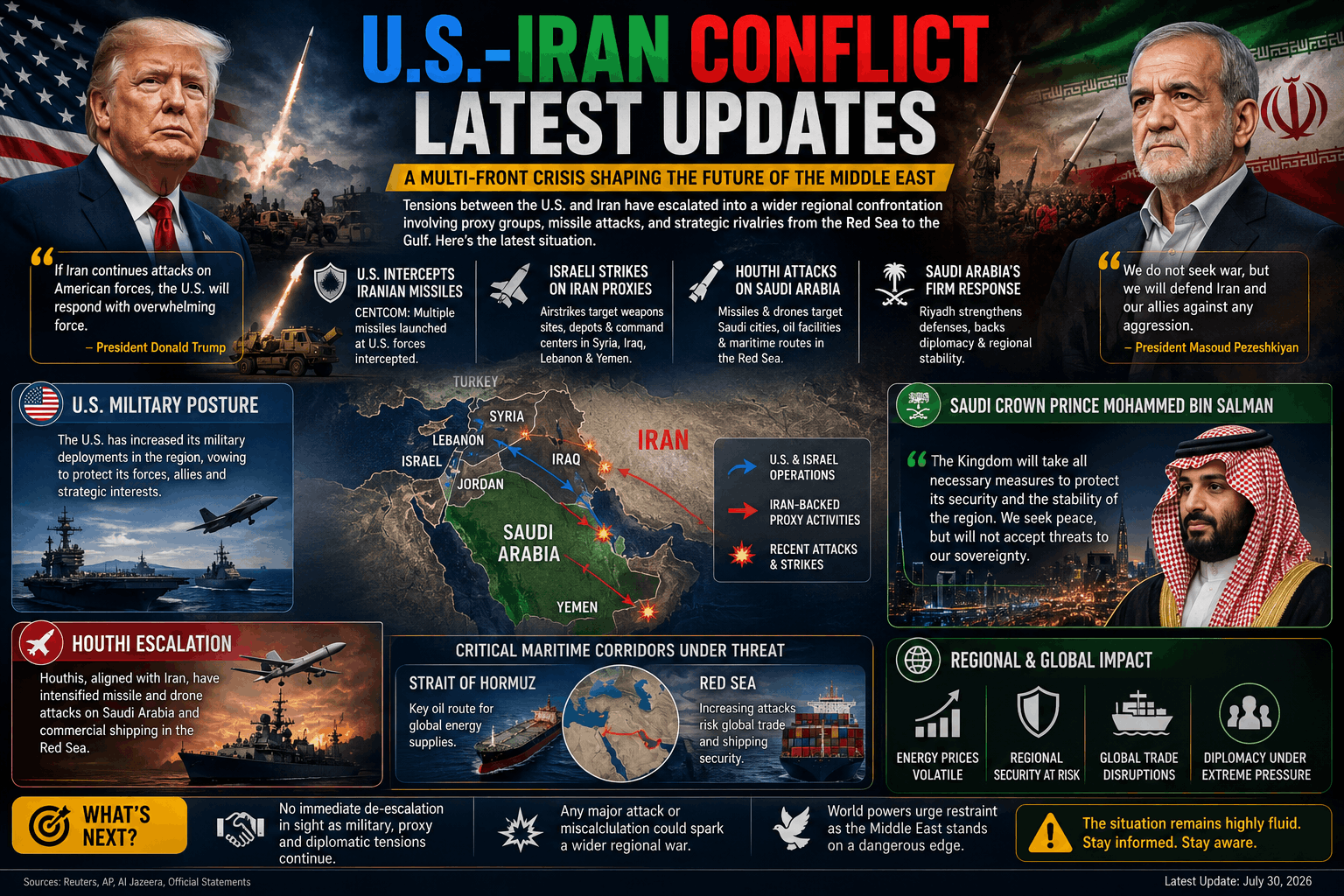
According to U.S. Central Command, multiple missiles launched by Iran’s Islamic Revolutionary Guard Corps (IRGC) were intercepted before reaching their intended targets.
Washington described the attack as a deliberate escalation, while Tehran has continued to frame its military operations as legitimate retaliation against U.S. and Israeli actions targeting Iranian territory and allied groups.
President Donald Trump responded with some of his strongest public remarks since the conflict intensified.
He declared that the United States would respond decisively if Iran continued attacks against American personnel or interests and reiterated that previous understandings aimed at reducing tensions were effectively over.
The White House has simultaneously expanded military deployments while maintaining that future operations are intended to restore deterrence rather than pursue regime change.
Israel Intensifies Campaign against Iranian Proxy Networks
Alongside U.S. operations, Israel has continued its extensive campaign against Iranian-backed organizations across the Middle East.
Israeli forces have carried out strikes targeting weapons depots, command centers, logistics hubs, and infrastructure associated with Iranian proxy groups operating in Syria, Iraq, Lebanon, and Yemen.
Israeli officials argue that degrading these networks is essential to preventing coordinated attacks against Israeli territory and shipping routes.
Israeli military planners continue to view Iran’s regional proxy architecture—including Hezbollah, Iraqi militia groups, the Houthis, and other affiliated organizations—as the primary mechanism through which Tehran projects military influence without engaging in direct conventional warfare.
Consequently, Israeli operations have increasingly focused on disrupting supply chains, precision-guided missile storage facilities, drone manufacturing sites, and senior operational commanders linked to these organizations.
Military analysts note that Israel’s strategy seeks to impose cumulative costs on Iran’s regional network while avoiding a prolonged ground conflict.
However, every successful strike also increases the likelihood of retaliatory attacks by Iranian-backed groups, making escalation difficult to contain.
Houthis Open another Front against Saudi Arabia
One of the most significant recent developments has been the renewed activity of Yemen’s Iran-aligned Houthi movement.
The Houthis have expanded their military operations beyond attacks on Red Sea shipping and Israel by threatening Saudi Arabia through missile, drone, and maritime actions.
They have also announced efforts to disrupt Saudi maritime activity, raising fresh concerns about energy security and commercial shipping throughout the Red Sea and Bab el-Mandeb Strait.
The Houthis maintain that their operations are part of a broader campaign supporting Iran and opposing U.S. and Israeli military actions.
Saudi authorities, however, view these attacks as direct threats to national security, critical infrastructure, and international commerce.
The renewed Houthi campaign demonstrates how Yemen continues to serve as one of Iran’s most strategically valuable proxy theaters.
Unlike conventional military confrontations, Houthi operations require relatively limited resources while forcing regional militaries to invest heavily in missile defense, naval patrols, and infrastructure protection.
Saudi Arabia Balances Firm Security Measures with Regional Stability
Saudi Arabia has responded by strengthening air defense operations, coordinating more closely with regional and international partners, and emphasizing that attacks against its territory will not be tolerated.
While Saudi officials continue advocating regional stability, the Kingdom has become increasingly vocal regarding Iranian-backed attacks against Gulf States and energy infrastructure.
Saudi Crown Prince Mohammed bin Salman has reiterated that the Kingdom’s primary objective remains the protection of Saudi sovereignty, regional security, and international energy markets.
Through messages conveyed by senior Saudi officials during high-level diplomatic engagements with Washington, the Crown Prince emphasized that continued attacks by Iranian-backed groups have crossed unacceptable security thresholds while also stressing that Saudi Arabia seeks de-escalation whenever possible through coordinated diplomacy rather than uncontrolled regional war.
His position reflects Saudi Arabia’s increasingly complex strategic balance.
Riyadh seeks to prevent Iran-backed groups from threatening Gulf security while simultaneously avoiding a conflict that could severely damage regional economic transformation initiatives, foreign investment, and long-term development plans under Vision 2030.
Iran Continues Its Strategy of Regional Deterrence
Iran maintains that its military posture is defensive and argues that its regional partners act independently against what Tehran describes as U.S. and Israeli aggression.
Iranian officials continue to reject accusations that every proxy operation is directly coordinated from Tehran, although Western governments increasingly describe the various regional attacks as components of a broader Iranian strategy.
Iran’s leadership argues that American military deployments and Israeli operations leave Tehran with limited strategic options.
Iranian officials also continue insisting that sanctions, military pressure, and targeted strikes have failed to weaken the country’s determination to maintain its regional alliances.
Nevertheless, sustained military operations have placed growing pressure on Iran’s economy, military logistics, and diplomatic relationships.
Repeated strikes against proxy infrastructure, combined with expanding sanctions and regional isolation, continue to impose significant long-term costs.
Strategic Importance of the Maritime Front
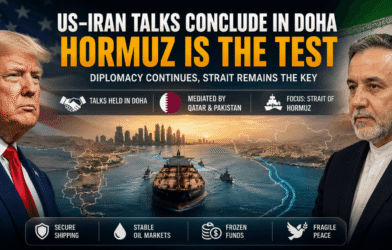
Another major concern remains maritime security. The Strait of Hormuz and the Red Sea continue to represent two of the world’s most important energy corridors.
Any prolonged disruption caused by Houthi operations, Iranian actions, or military responses by the United States and its partners could significantly affect global oil prices, commercial shipping costs, insurance markets, and supply chains.
Although naval coalitions continue escorting commercial vessels, security analysts warn that even isolated attacks create uncertainty that can rapidly influence international energy markets and investor confidence.
The Risk of Regional Escalation Remains High
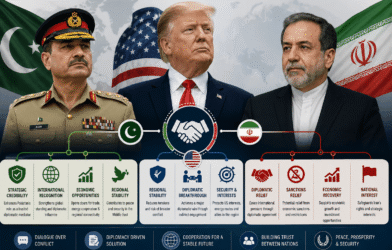
Despite occasional diplomatic contacts, prospects for immediate de-escalation remain uncertain. The involvement of multiple state and non-state actors means that a single successful missile strike, civilian casualty incident, or attack on critical infrastructure could rapidly trigger wider military responses.
The United States continues emphasizing deterrence through military readiness, Israel remains focused on degrading Iran’s regional proxy capabilities, Saudi Arabia seeks to defend its territory while avoiding uncontrolled escalation, and Iran continues relying on asymmetric regional influence to offset conventional military disadvantages.
The conflict has therefore evolved beyond a bilateral dispute into a broader contest over regional security architecture.
As long as proxy organizations remain active across Yemen, Iraq, Syria, Lebanon, and other theaters, the likelihood of recurring military crises will remain high.
For now, the Middle East remains caught between deterrence and diplomacy.
None of the principal actors appears to seek a full-scale regional war, yet the expanding network of proxy confrontations, missile exchanges, and retaliatory operations continues to increase the possibility that a localized incident could escalate into a much broader conflict with global economic and geopolitical consequences.
Thank you for reading. Explore more exclusive news, analysis, and expert perspectives available across The Variant.