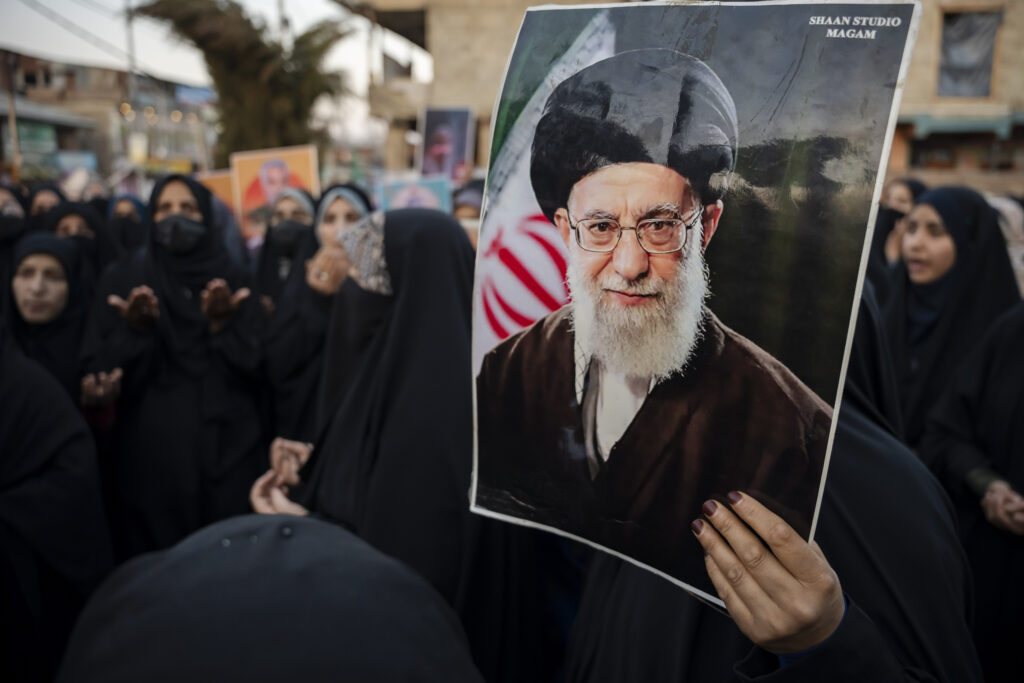
Tehran / Washington / Jerusalem: Ayatollah Ali Hosseini Khamenei, Iran’s Supreme Leader since 1989, was killed in a coordinated US-Israeli bombing on Sunday, according to Iranian state media and Western authorities, signaling a major escalation in the Middle East and the likely start of a larger regional battle.
The 86-year-old cleric, who had ultimate power over Iran’s military, administration, and nuclear strategy for more than three decades, died on February 28, 2026, when his central Tehran compound was bombed in a huge aerial operation launched jointly by the United States and Israel.
Official Confirmation and Sequence of Events
U.S. and Israeli Operations: The assault, dubbed Operation Epic Fury by US commanders, involved coordinated strikes by American and Israeli forces on a number of strategic sites throughout Iran, including air defense systems, missile launchers, Revolutionary Guard command facilities, and Tehran government compounds. The US Central Command characterized the operation as the biggest concentration of air power in the Middle East in decades.
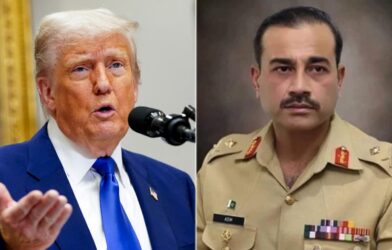
U.S. President Donald Trump announced the death of Khamenei on social media, calling him “one of the most evil people in history” and presenting the operation as punishment for regime victims. Israeli Prime Minister Benjamin Netanyahu said that the attacks were intended to eliminate the “existential threat” posed by Iran’s theocracy.
Iranian state media agencies, including IRIB and the official Fars News Agency, revealed Khamenei’s death on Sunday morning, a day after the airstrikes started. The state broadcaster hailed him as having “achieved the blessing of martyrdom,” and proclaimed a 40-day period of national mourning and a week of public holidays.
Inside Story: How This Became Possible
This extraordinary attack did not occur in isolation, but was the product of years of rising tensions, intelligence planning, and military buildup.
Long-Term US and Israeli Planning:
According to military officials reportedly, US and Israeli intelligence agencies spent months gathering targeting information, including the precise geo-location of key regime individuals and installations. The action was purportedly intended to coincide with coordinated meetings of Iranian authorities.
Tensions between Tehran, Washington, and Jerusalem escalated owing to disagreements over Iran’s nuclear program, funding for regional proxy organizations, and military involvement in Iraq, Syria, and Yemen.
Previous bombings in 2025 had destroyed elements of Iran’s nuclear infrastructure and killed key commanders, with US authorities citing Tehran’s reluctance to halt missile and drone development as a justification for action.
According to US Central information Agency, multi-agency teamwork and satellite monitoring provided accurate information on Khamenei’s position, allowing for a targeted hit on his compound.
According to reports, 200 Israeli fighter planes and long-range US missiles struck about 500 targets in Iran during the first hours of operation. Some observers believe this was the most massive aircraft assault on Iranian land in decades.
Casualties, domestic impact, and immediate aftermath
Casualties: According to Iranian Red Crescent numbers published by state media, the shelling killed more than 200 civilians and wounded 747.
Death of Family Members: According to Fars News Agency, which is linked with the Revolutionary Guard, numerous of Khamenei’s close relatives were killed in the blasts, including a daughter, son-in-law, and granddaughter.
Iran’s response: The Islamic Revolutionary Guard Corps (IRGC) promised “decisive and regret-inducing punishment” for the attack, while the Iranian Cabinet called it a “great crime that will not go unanswered.” Early retaliation missile strikes and drone assaults were reported targeting US military sites and Israeli targets in the area.
Leadership Transition: Regional Implications
With Khamenei gone and no publicly chosen successor, Iranian authorities have proceeded to create an interim three-member leadership council comprised of prominent state personalities, as per constitutional regulations. According to experts, the transfer during wartime might exacerbate Tehran’s volatility.
Global markets, military alliances, and diplomatic capitals are on high alert, warning that the stakes go well beyond Tehran’s streets and have the potential to change Middle Eastern geopolitics for years.
Thank you for reading. Explore more exclusive news, analysis, and expert perspectives available across The Variant.