


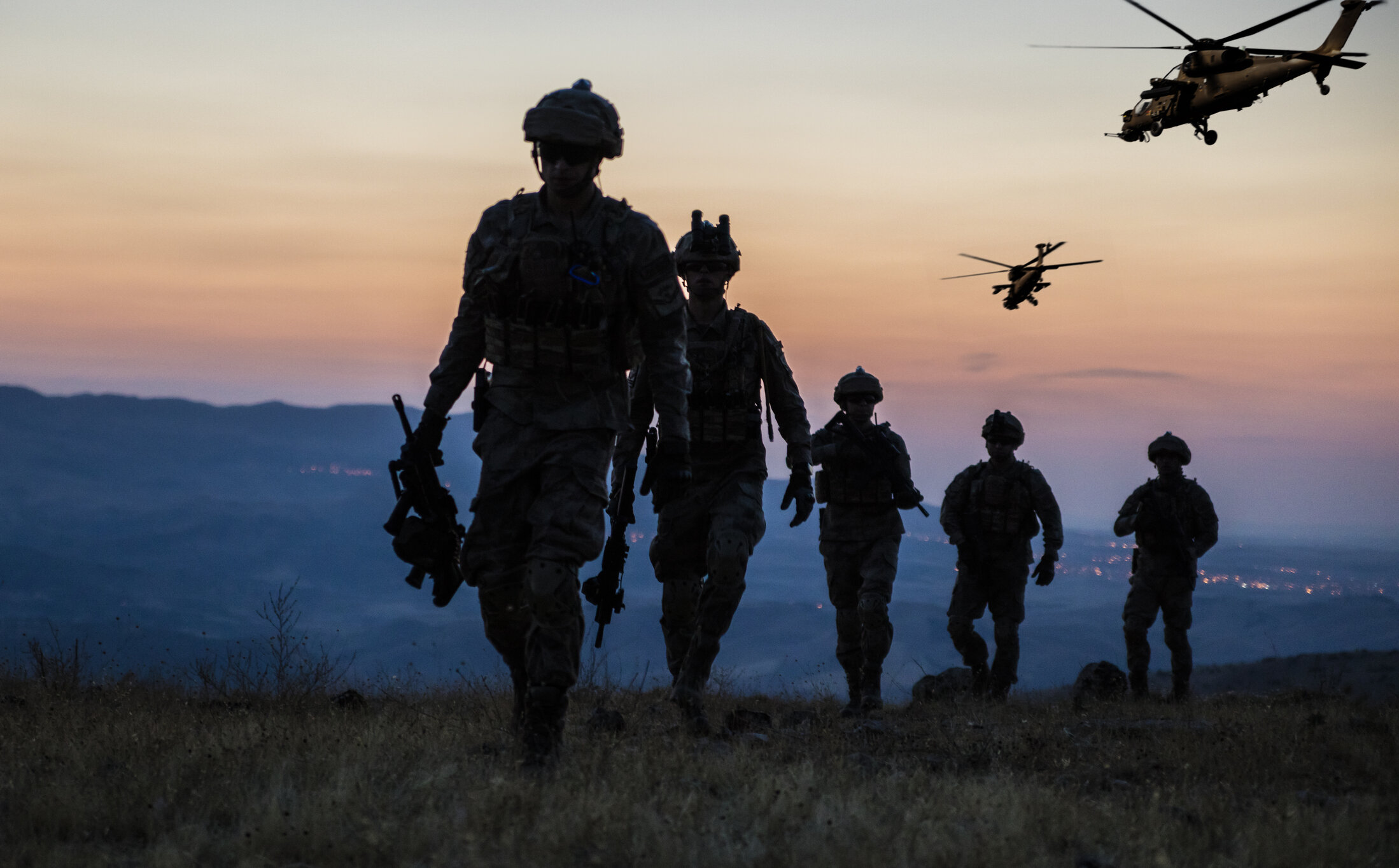
Rochester, NY: Trump has suggested that the deployment of American ground forces inside Iran could be a significant escalation in the ongoing war between the United States, Iran, and Israel, as tensions continue to rise in the widening conflict between Washington and Tehran.
The conversation within the U.S. administration is indicative of the increasing apprehension in Washington regarding Iran’s nuclear capabilities and the broader security implications that they may have throughout the Middle East.
There are recent reports that suggest the White House is contemplating limited ground operations, notably those that involve U.S. special operations forces that are responsible for the destruction or security of Iran’s highly enriched uranium stockpiles.
As the conflict escalates, officials acknowledge that military options are expanding, despite the administration’s assertion that no definitive decision has been made.
According to President Trump, the deployment of American soldiers into Iran is still feasible in the event that strategic circumstances necessitate it.
In his remarks regarding the developing conflict, Trump stated that the United States “will take all necessary measures to safeguard American interests and prevent Iran from acquiring nuclear weapons.” He also mentioned that military planners are currently examining “all options, including operations on the ground.”
The stance of the president was reiterated by senior administration officials. Pete Hegseth, the Defense Secretary, issued a warning that the United States would “go as far as we need” to neutralize Iran’s military capabilities. He declined to rule out the deployment of U.S. personnel.
An Option for Strategic Military Action in Discussion
Military strategists are reportedly assessing scenarios within the Pentagon that would entail a small contingent of U.S. Special Forces entering Iran to acquire or secure nuclear materials that are believed to be near weapons-grade levels.
According to diplomats who are acquainted with the discussions, the operation would likely be highly complex, necessitating intelligence coordination with regional allies, despite its limited scope.
This action would constitute a substantial departure from the existing strategy, which has primarily employed airstrikes, naval operations, and cyber warfare to specifically target Iran’s military infrastructure. However, analysts caution that the United States may be drawn into a protracted regional conflict by the introduction of ground forces.
Central to the Security of Global Energy: The Oil Island
Other than nuclear concerns, Kharg Island, Iran’s primary oil export center is another strategic factor that influences Washington’s calculations. Located off the southern coast of Iran in the Persian Gulf, the island is the primary petroleum oil export terminal for the country and is of paramount importance in global energy markets.
Kharg Island, which has a loading capacity of approximately seven million barrels per day, is responsible for the overwhelming majority of Iran’s hydrocarbon shipments. Consequently, nearly all of Iran’s oil exports are transported from this location.
Approximately 90–95 percent of Iranian hydrocarbon exports are processed through the island’s terminal facilities prior to their entry into global markets, according to energy analysts.
Because of this, Kharg Island has become a strategic focal point in the conflict. According to military experts, the island could be the target of an attack or blockade that could have a significant impact on the global energy supply, concurrently crippling Iran’s crude economy.
At Risk: The Global Oil Route
By virtue of its proximity to the Strait of Hormuz, one of the world’s most critical maritime chokepoints, the island’s strategic significance is further magnified. The Persian Gulf is connected to international markets by this limited waterway, which transports over 20% of global oil and liquefied natural gas exports.
An escalation in the region of Kharg Island or the Strait of Hormuz could have a profound impact on global energy markets, resulting in a significant increase in crude prices and a hazard to international shipping routes.
The Political and Strategic Issues in Washington
There is a heated debate in Washington regarding the potential deployment of American troops inside Iran.
There are legislators who have expressed concern that the United States may become embroiled in another protracted and expensive conflict in the Middle East as a result of ground operations. In an effort to prevent further escalation and dismantle Iran’s nuclear infrastructure, there are those who contend that decisive action may be required.
Currently, it appears that the Trump administration is maintaining a variety of options.
Officials maintain that there is no imminent ground invasion; however, the mere possibility of U.S. soldiers entering Iranian territory indicates a significant escalation in the conflict, which has the potential to alter the global energy landscape and the geopolitical balance in the Middle East.







