Cairo/Geneva: As the current escalation of violence in the Middle East enters its tenth day, health systems around the region are under mounting pressure due to an uptick in injuries and displacement, persistent assaults on healthcare facilities, and growing public health concerns.
There have been around more than 1300 fatalities and over 9000 injuries reported by Iranian and Lebanese health officials, respectively. There were 15 fatalities and 2,142 injuries in Israel, according to officials.
The war is also having an impact on lifesaving services. Since February 28th, nineteen assaults on Iranian healthcare facilities have been confirmed by the World Health Organization (WHO), killing eight people.
There were 25 assaults on healthcare facilities in Lebanon during that time, leading to 16 fatalities and 29 injuries. In addition to taking lives, these assaults prevent communities from receiving treatment at a time when it is most needed.
International humanitarian law guarantees the unwavering protection of healthcare personnel, patients, and healthcare facilities at all times.
There are broader public health dangers caused by the war than just the acute effects.
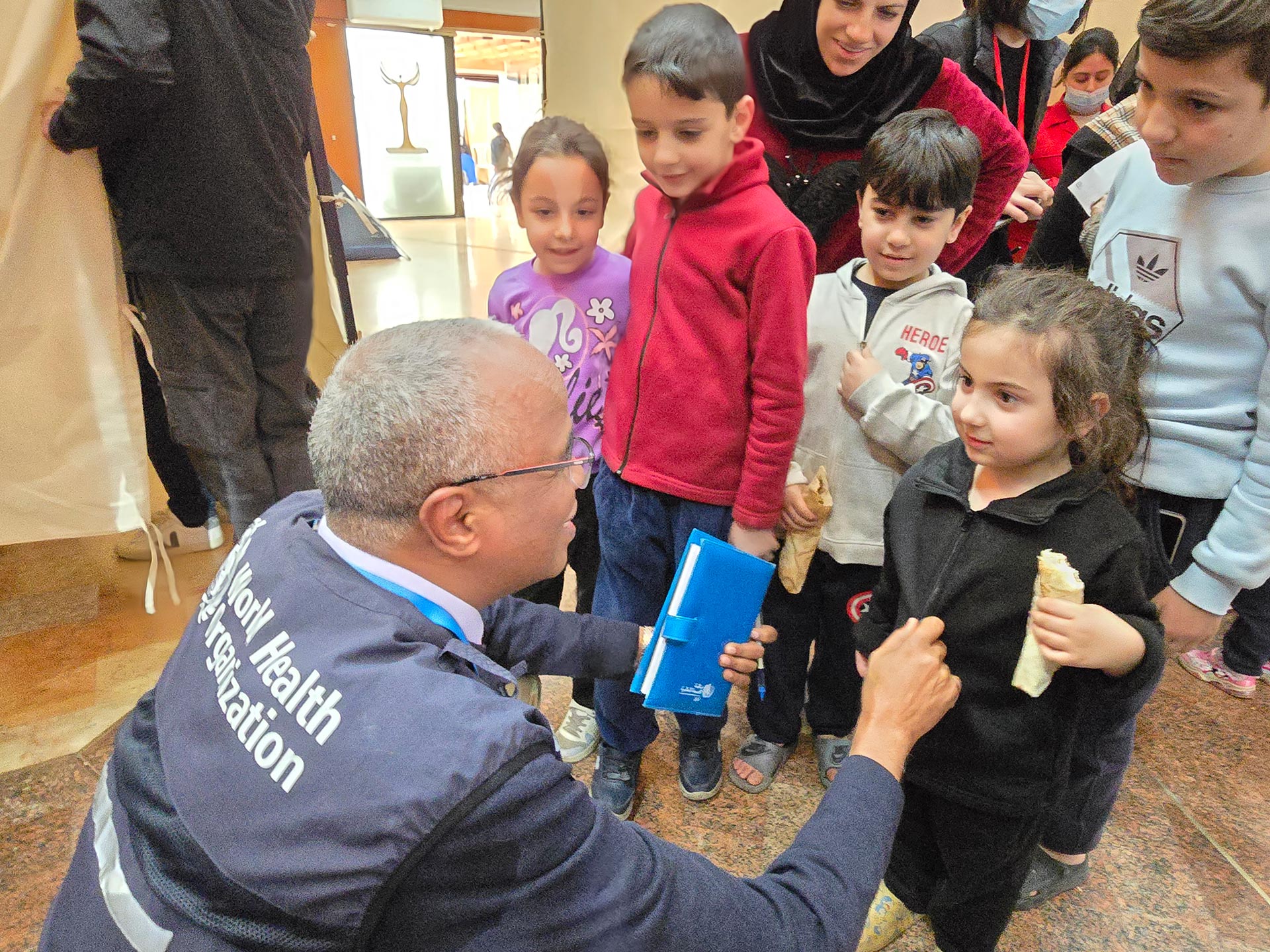
More than 100,000 Iranians have fled to other parts of the country as a result of the ongoing security crisis, and as many as 700,000 Lebanese have been internally displaced; many of these people are living in overcrowded collective shelters, where public health is rapidly declining and basic hygiene, water, and sanitation are severely lacking.
These conditions increase the risk of respiratory infections, diarrheal diseases, and other communicable illnesses, especially for the most vulnerable populations, such as women and children.
Concerns about environmental threats are also on the rise. Nearby Iranian villages were exposed to harmful pollutants as a result of petroleum fires and smoke from destroyed infrastructure. These pollutants might cause respiratory issues, skin irritation, and water and food contamination.
In a number of nations, people are finding it harder and harder to get the medical treatment they need. Despite escalating medical requirements, 49 primary health care centers and 5 hospitals in Lebanon have closed their doors due to evacuation orders issued by the Israeli military.
Increased mobility restrictions and checkpoint closures in the occupied Palestinian territory are delaying the entry of ambulances and mobile clinics throughout many governorates in the West Bank.
Emergency and trauma care, maternal and neonatal services, and management of communicable diseases are among the vital health services that are being prioritized due to the ongoing shortages of fuel, medicines, and medical supplies in Gaza, which has resulted in the suspension of medical evacuations since 28 February. Hospitals are also operating under strain.
Medical supplies were unable to be transported from WHO’s global logistics base in Dubai due to temporary aviation restrictions. With over 50 emergency supply requests impacted, there are substantial backlogs.
These requests were meant to help over 1.5 million individuals in 25 different nations. Among the current priority shipments are supplies intended for Afghanistan, Lebanon, and Al Arish, Egypt, in support of the Gaza response. The first cargo is scheduled to leave the hub next week; it will carry cholera response items for Mozambique.
Amidst already-world-class humanitarian demands, the situation in the Eastern Mediterranean Region has taken a dramatic turn for the worse.
Humanitarian health emergency appeals are still 70% underfunded, despite the fact that 115 million people in the region need aid (nearly half of the world’s poor).
The burden on vulnerable people and already-fragile health systems will only increase in the absence of safeguards for health care, sustainable humanitarian access, and more robust operational and financial support for the humanitarian health response.
WHO calls on all parties to protect civilians and health care, ensure unimpeded and sustained humanitarian access, and pursue de-escalation of the conflict so communities can begin to recover and move towards peace?