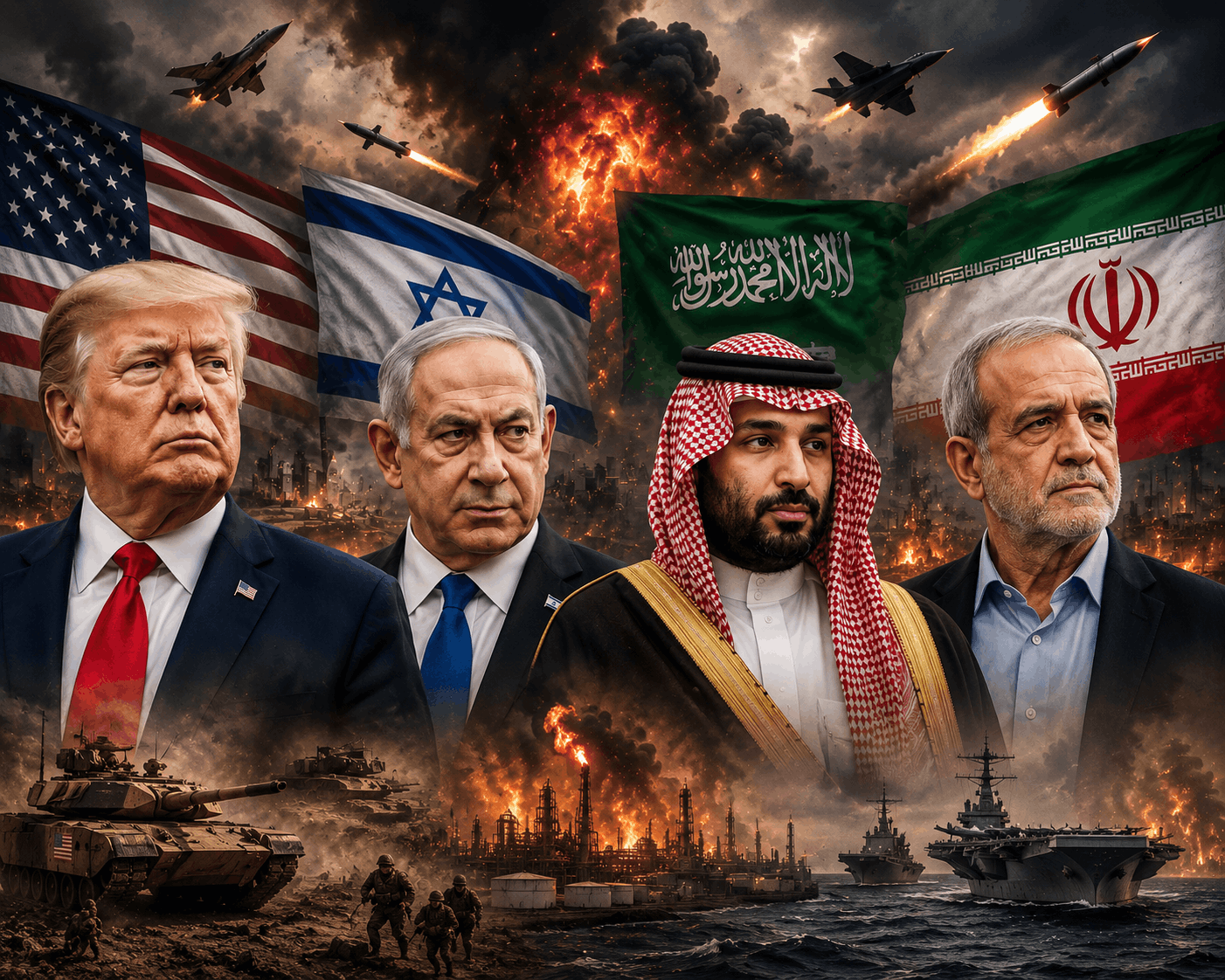
Rochester, NY: The possibility of a coordinated U.S.-Israeli campaign against Iran’s energy infrastructure marks a potentially significant escalation in the months-long confrontation between Washington, Tehran and their regional allies. U.S. and Israel Weigh Strikes on Iran’s Energy Infrastructure.
According to recent reports, American and Israeli officials have discussed options that include strikes on energy-related facilities—including power infrastructure and assets linked to Iran’s oil sector—although officials emphasize that no final decision has been announced.
Reports indicate the objective would be to weaken Iran’s ability to sustain military operations while increasing pressure on its leadership.
The reported planning comes as the conflict has expanded beyond conventional military exchanges into attacks on commercial shipping, energy infrastructure, and strategic maritime routes.
Analysts view any direct attacks on Iran’s energy sector as a move that could reshape not only the battlefield but also global energy markets and regional security calculations.
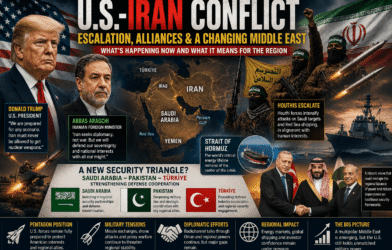
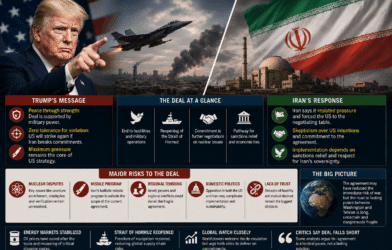
President Donald Trump has continued to employ a dual-track strategy that combines military pressure with public references to possible negotiations.
In recent statements and Truth Social posts, Trump warned that the United States was prepared to strike Iranian energy-related infrastructure—including power facilities—if attacks against American interests continued.
At the same time, he later announced that he had delayed a planned large-scale strike after consultations with regional partners, arguing that diplomacy still deserved an opportunity.
Trump has repeatedly argued that Iran must end attacks on international shipping and abandon what his administration describes as destabilizing regional activities.
His public messaging has consistently emphasized that military options remain available while asserting that negotiations would still be welcomed if Iran changes course.
The U.S. Department of Defense has maintained that American military operations are defensive in nature and intended to protect U.S. personnel, allies, and freedom of navigation throughout the Middle East.
Defense officials have reiterated that American forces remain fully prepared to respond to any attacks originating from Iran or its affiliated groups.
Senior defense officials have also stressed that contingency planning is a routine military function and should not necessarily be interpreted as a final political decision to launch strikes.
At the same time, the Pentagon continues to reinforce naval and air assets throughout the Gulf region while coordinating closely with Israel and regional partners.
Iran Rejects U.S. Claims and Warns Against Strategic Miscalculation
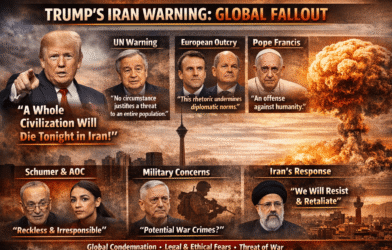
Iranian leaders have rejected Washington’s allegations regarding ongoing negotiations while warning that any attack on the country’s energy infrastructure would receive what Tehran describes as a “proportionate and decisive response.”
Iranian officials insist their military posture is designed to deter aggression rather than initiate broader conflict.
Iran has also argued that targeting civilian energy infrastructure would violate international law and could dramatically expand the conflict beyond existing military operations.
Officials continue to accuse both Washington and Tel Aviv of attempting to weaken Iran economically after failing to achieve decisive military objectives.
On the other hand, Yemen’s Houthi movement has continued to frame the conflict as part of a broader regional confrontation.
Houthi leaders have repeatedly warned that additional U.S. or Israeli attacks on Iran would trigger expanded operations against commercial shipping and military targets linked to both countries.
The movement has maintained that maritime attacks in the Red Sea and surrounding waters will continue as long as military operations against Iran and other allied groups persist.
Such statements have heightened concerns among international shipping companies and energy traders about the security of critical sea lanes.
Saudi Arabia Seeks Stability While Strengthening Defenses
Saudi Arabia has continued to emphasize regional stability while reinforcing its defensive posture.
The Saudi Ministry of Defense has repeatedly announced interceptions of missiles and drones targeting Saudi territory during previous phases of the conflict and has reaffirmed the Kingdom’s commitment to defending its sovereignty and protecting vital energy infrastructure.
Saudi officials have consistently urged restraint from all parties, recognizing that any strike against Iran’s energy facilities could provoke retaliation affecting Gulf oil installations and international shipping routes.
Riyadh’s strategic priority remains preventing a wider regional war while safeguarding global energy supplies and maintaining economic stability.
Israel’s Strategic Calculation
From Israel’s perspective, expanding military operations toward Iran’s energy infrastructure could increase pressure on Tehran’s ability to finance military activities and regional proxy organizations.
Israeli security officials have long argued that reducing Iran’s economic capacity would complement efforts aimed at degrading its missile and drone capabilities.
However, such an approach also carries substantial risks.
Energy infrastructure attacks could trigger reciprocal strikes against Israeli critical infrastructure or encourage Iranian-backed groups across Lebanon, Iraq, Syria, and Yemen to broaden their operations.
Any military campaign targeting Iran’s energy sector would likely have immediate international consequences.
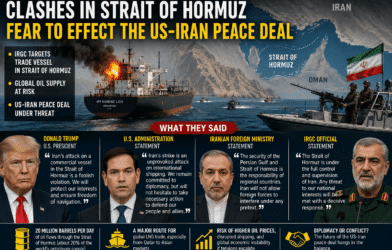
Iran remains a significant energy producer and occupies a strategic position overlooking the Strait of Hormuz, through which a substantial share of global oil shipments passes.
Financial markets would closely monitor any disruption to production facilities, export terminals, or electricity networks.
Even limited strikes could increase insurance costs for shipping, raise oil prices, and create additional uncertainty for economies already coping with geopolitical instability.
Analysis: Escalation Carries Benefits—and Significant Risks
The reported planning reflects an evolution in U.S. and Israeli strategy from primarily targeting military assets toward applying economic pressure against Iran’s strategic infrastructure.
Supporters argue that reducing Tehran’s energy revenues could weaken its ability to finance military operations and regional allies without requiring a prolonged ground conflict.
Critics, however, caution that attacks on energy infrastructure could cross a threshold that encourages wider retaliation throughout the Middle East.
Iran possesses numerous asymmetric options, including cyber operations, missile strikes, proxy attacks, and disruptions to maritime trade.
Gulf States, despite strengthening their air defenses, remain concerned that they could become unintended participants in a broader confrontation.
At present, available reporting indicates that military planning continues while diplomatic channels remain open.
Whether the situation develops into direct attacks or returns to negotiations will likely depend on events in the coming days, including maritime security developments, Iranian military activity, and political decisions in Washington, Jerusalem, and Tehran.
The global landscape is constantly evolving. Stay connected with The Variant for reliable news and thoughtful analysis.