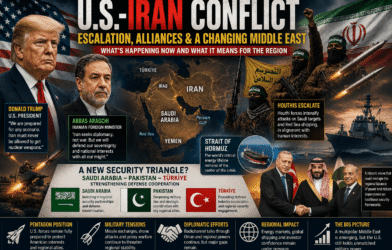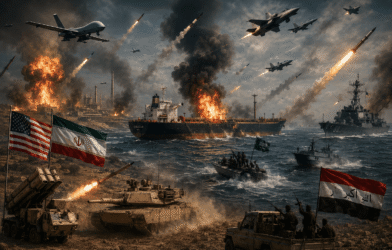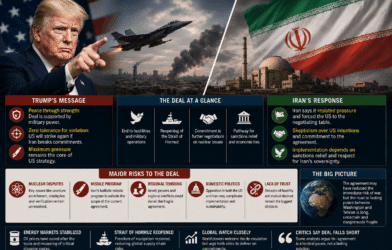
Rochester, NY: The latest clashes in the Strait of Hormuz have pushed the fragile US-Iran peace process back to the edge of collapse.
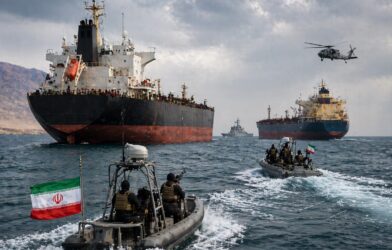
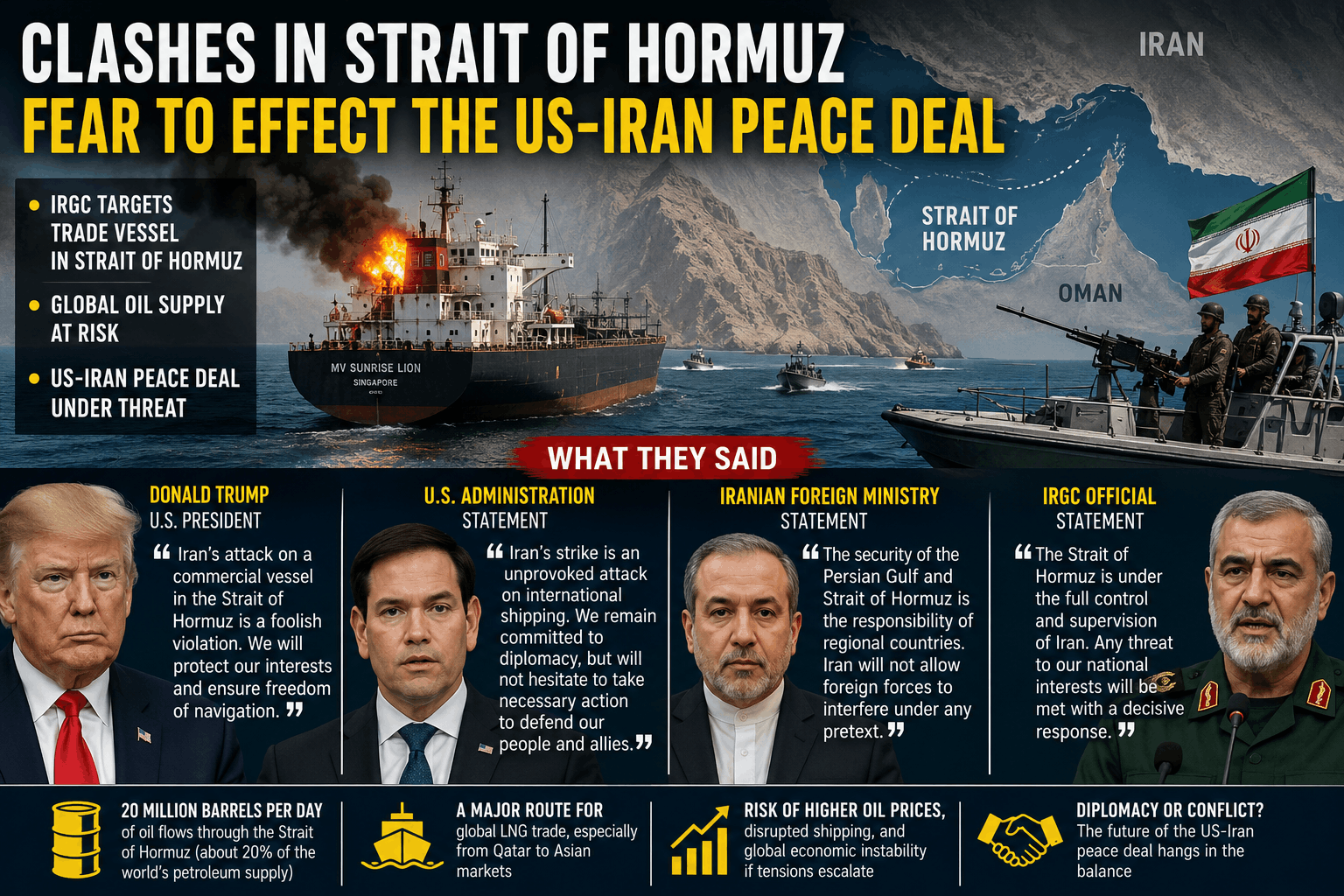
The incident became more serious after US officials said Iran’s Islamic Revolutionary Guard Corps targeted a Singapore-flagged commercial vessel near the Omani coast. Maritime officials reported damage to the vessel’s bridge, though no injuries were confirmed.
The attack was not only a military act; it was a political signal. Iran appears determined to prove that any peace deal must recognize its influence over Hormuz.
Tehran has insisted it will not accept foreign control over demining, escort operations, or passage rules in the strait.
Iranian officials have also suggested that “service fees” could be charged to ships using the waterway, a position likely to alarm Washington, Gulf states, Europe, and Asia.
The Strait of Hormuz is not an ordinary waterway. In 2024, around 20 million barrels per day of oil passed through it, equal to about 20 percent of global petroleum liquids consumption. It also carries a major share of global LNG trade, especially from Qatar to Asian markets.
President Donald Trump has framed Iran’s action as a direct challenge to freedom of navigation and to the peace framework reached in June.
According to US reporting, Trump called the vessel strike a “foolish violation,” while US officials described the American military response as defensive and aimed at protecting international shipping.
The Trump administration’s red line is clear: Iran may be part of a regional security formula, but Washington will not accept Tehran’s unilateral control over Hormuz.
A US official earlier said both sides had agreed to “stand down” to allow safe passage and revive talks, but the new strike has exposed how weak that arrangement remains.
The US-Iran peace deal was already fragile. It was built less on trust and more on exhaustion after weeks of military escalation.
The latest attack gives hardliners in Washington a stronger argument that Iran is using diplomacy only to buy time, protect its military assets, and gain leverage over global energy routes.
For Iran, however, Hormuz is a bargaining chip. Tehran sees the strait as strategic insurance against sanctions, military pressure, and Israeli-American strikes.
By targeting a trade vessel, the IRGC may be warning that Iran can raise the economic cost of any pressure campaign within hours.
The danger is not limited to the US and Iran. Any prolonged disruption in Hormuz could raise oil prices, increase LNG uncertainty, hurt Asian importers, and pressure European energy markets. Shell has warned that Hormuz disruption could stall LNG trade, with around 20 percent of global monthly LNG supply affected during the crisis.
This is why the crisis is being watched closely by China, India, Japan, South Korea, Europe, and Gulf monarchies. A single drone strike on a commercial vessel can quickly become an energy shock, an insurance crisis, and a diplomatic emergency.
Iran’s official position is also shaped by domestic pressure. After heavy losses and leadership tensions, the IRGC cannot appear weak. Any compromise with Washington must be balanced with an image of resistance.
This explains why Iranian officials continue to speak about control, fees, and exclusive authority over Hormuz even while negotiations remain technically alive.
The peace deal can survive only if both sides separate maritime security from political symbolism.
The US must avoid overreaction that turns one vessel strike into a wider war. Iran must understand that targeting commercial shipping will isolate it even from countries that oppose US sanctions. Oman, Qatar, Pakistan, and European mediators may have to push for a neutral maritime mechanism that guarantees safe passage without humiliating either side.
The Strait of Hormuz is now the real test of the US-Iran peace deal.
If ships can move safely, diplomacy may continue. If the IRGC keeps using trade vessels as pressure points, the peace deal may collapse before it becomes a durable settlement.
Stay informed with The Variant for in-depth analysis, breaking developments, and expert perspectives on the stories shaping our world.